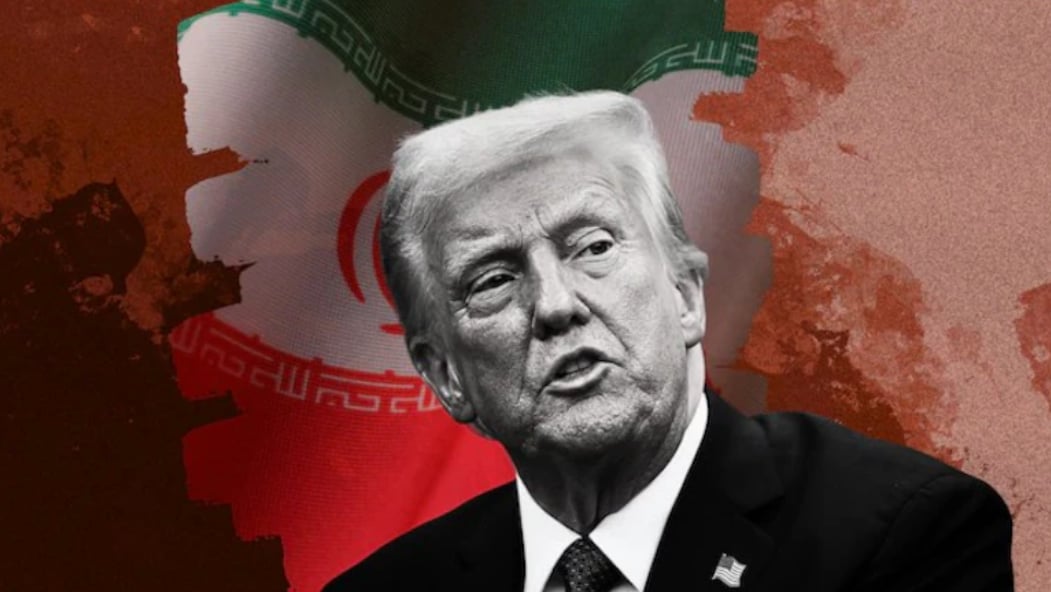
Donald Trump just promised the world that the Strait of Hormuz will be completely open by Friday. Speaking alongside French President Emmanuel Macron in France ahead of the G7 summit, Trump declared that the maritime bottleneck is already partially clear and that oil tankers are beginning to move. On paper, it sounds like a massive diplomatic victory. The nearly four-month war triggered by US-Israeli strikes back in February might finally have a pause button.
But if you think global energy markets are about to magically return to normal by the weekend, you're misreading the situation.
The reality on the water is messy, dangerous, and highly volatile. Shippers aren't starting their engines just because of a Truth Social post. They're waiting to see if their vessels will hit an underwater mine or get caught in a geopolitical crossfire.
The Reality Behind the Friday Reopening
Let's look at what's actually on the table. The US and Iran digitally signed a preliminary memorandum of understanding. Vice President JD Vance and Iranian Parliament Speaker Mohammad Ghalibaf put their virtual ink on the document, with a formal, in-person signing ceremony scheduled for Friday in Geneva, Switzerland.
Trump is spinning this as an immediate fix to the global energy crisis. He claimed ships are already moving along a safe southern highway in the waterway. Yet, the actual mechanics of the deal tell a completely different story.
- The 30-Day Mine Clearance: The strait has been effectively shut down since Tehran retaliated against Western strikes. It's littered with naval mines. Under the agreed terms, the opening on Friday is primarily to allow Iranian forces to begin the arduous process of clearing these mines. That process takes a minimum of 30 days.
- The 60-Day Ceasefire Clock: This entire agreement is a temporary 60-day window. It's a framework to allow technical talks to happen, not a permanent peace treaty.
- The Toll-Free Illusion: While JD Vance noted that the US expects the strait to remain toll-free in the long term, Iran's compliance is strictly tied to getting access to an unsanctioned economy.
Honestly, calling the strait "completely open" when warial forces are still hunting for live explosives is a massive stretch. Shippers know this. Major maritime insurance syndicates aren't lowering their war-risk premiums yet. For a commercial supertanker, entering the strait right now is still a gamble.
The Nuclear Leverage and the Ultimate Alternative
Trump made it clear that the core of his strategy relies on a total shift in Tehran's leadership dynamics. After the chaotic escalation earlier this year, Trump claims the current crop of decision-makers in Iran are "smart" and easy to deal with. But don't mistake this sudden praise for soft diplomacy.
The US granted a temporary waiver allowing Iran to sell oil during the 60-day window, and Washington is lifting its naval blockade on Iranian ports. In exchange, Tehran has to halt its nuclear procurement and dilute its existing stockpile of highly enriched uranium under the strict supervision of the International Atomic Energy Agency (IAEA).
If they stall? Trump has already stated his position. He told reporters that if the nuclear talks fail to progress after Friday, the US will go straight back to war. He called military action his "ultimate alternative."
This puts tremendous pressure on the technical negotiations. Iran wants its frozen overseas assets released, but US officials are adamant that sanctions relief will only happen in phases. It's a classic carrot-and-stick routine, but the stick is a renewed bombing campaign.
The Netanyahu Factor and the Fragmented Ceasefire
The biggest blind spot in this entire arrangement is Israel. While the US-Iran deal calls for an immediate end to regional hostilities—including the conflict in Lebanon—Israeli Prime Minister Benjamin Netanyahu is not on board.
Just hours before the deal was announced, Israeli strikes hit the southern suburbs of Beirut. Trump publicly berated Netanyahu for the move, calling the Hezbollah drone attacks that prompted it "meaningless" and warning that the escalation shouldn't have happened.
Israel’s defense ministry has already signaled that its forces intend to remain in Lebanon and Gaza indefinitely. This creates a massive structural flaw in the peace framework.
"The war would end permanently and immediately on all fronts, including in Lebanon," claims Iran's Supreme National Security Council.
But Iran-backed proxy groups won't sit quietly if Israeli operations continue in Beirut or southern Lebanon. If Hezbollah fires another significant rocket barrage, or if Israel strikes Iranian assets inside Syria, the fragile US-Iran ceasefire could shatter before the ink on Friday's formal document even dries.
What Happens Next for Global Energy
If you're tracking energy prices or managing supply chain risks, stop watching the political theater and start watching the technical implementations. The immediate market euphoria that caused crude prices to plunge early Monday is premature.
Here are the concrete operational steps that will dictate whether this deal actually holds weight over the next month.
First, look for the publication of the full memorandum text, which US officials promised to release within 48 hours. This will reveal the exact benchmarks Iran must hit regarding its uranium dilution before any real financial relief flows to Tehran.
Second, watch the naval traffic data via satellite tracking services. Ignore the political speeches. If commercial vessels don't significantly increase their transit through the northern lanes of the strait by next Monday, it means the maritime industry doesn't believe the mine-clearing assertions.
The diplomatic breakthrough is real, but it's built on a foundation of sand. Friday isn't the end of the crisis. It's just the start of a very dangerous 60-day clock.