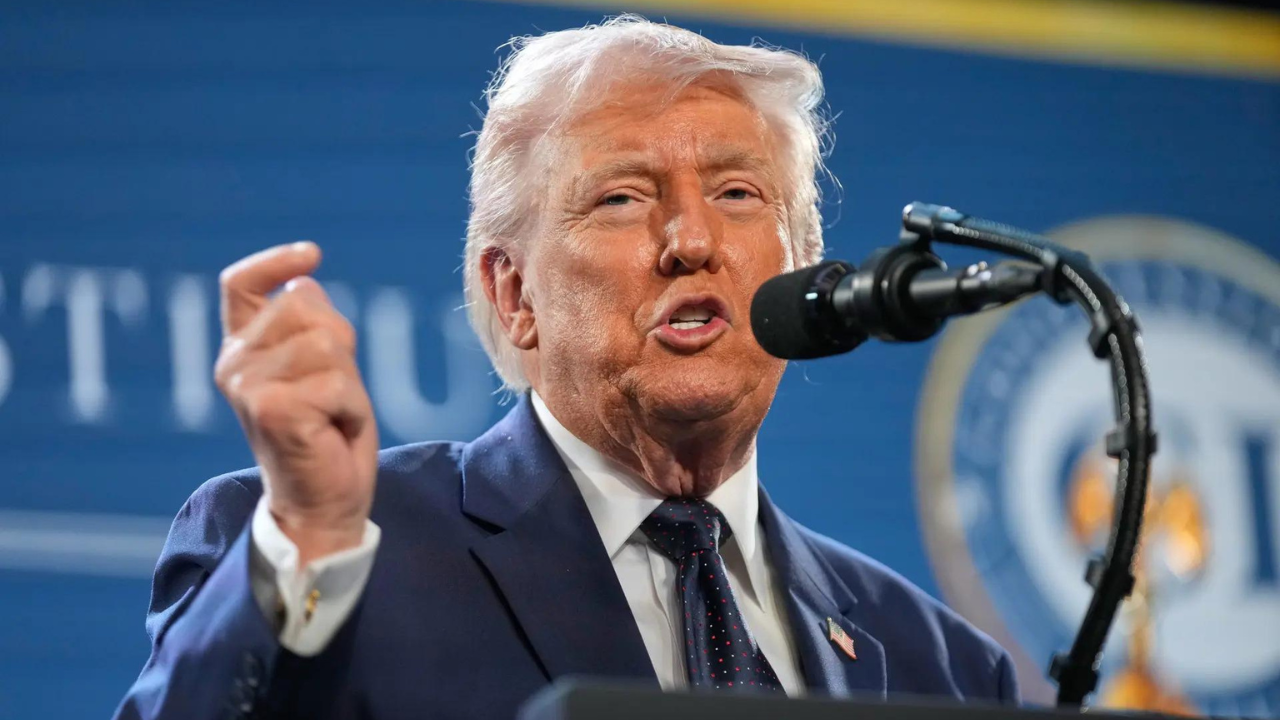
The fragile peace in the Middle East didn't even last a full month. Just weeks after a shaky ceasefire appeared to cool down a hot war, things are completely resetting. Donald Trump just took to Truth Social to announce that 1000 American missiles are locked, loaded, and aimed directly at the Islamic Republic of Iran. He went on to promise absolute destruction if Tehran tries to act on threats to assassinate him.
This isn't just typical internet chest-thumping. It represents a massive, sudden collapse of the Islamabad Understanding, an interim peace deal brokered by Pakistan and Qatar that was supposed to end the maritime war in the Gulf. Both sides are trading massive insults and actual missile fire, turning a quiet diplomatic breakthrough into an incredibly dangerous military standoff. If you think this is just about angry words on social media, you are missing the real danger beneath the surface.
The Secret Fight Over the Strait of Hormuz
The current blow-up didn't happen in a vacuum. It started because both nations signed a deal with completely different ideas of what the rules actually were. When the US and Iran signed the Memorandum of Understanding in June, they left a massive loophole in Paragraph 5. That tiny detail destroyed the whole agreement.
Iran believed the deal gave them the sole authority to manage the shipping corridor through the Strait of Hormuz for 60 days. They wanted to show the world they controlled the most vital energy chokepoint on earth. They even started talking about charging transit fees to international cargo vessels.
The Trump administration had a completely different plan. Washington quietly backed an alternative shipping route that hugs the coast of Oman, totally bypassing the areas under Iranian control. When an international merchant ship used this new southern route, Iranian forces panicked and fired warning shots at the vessel.
To the White House, those warning shots were an act of war and a direct violation of international law. The US military immediately launched targeted airstrikes against Iranian naval assets in retaliation. Within 48 hours, the entire ceasefire fell apart. Iran hit back by launching drone and missile strikes against regional targets in Bahrain, Kuwait, Qatar, and Jordan.
The Assassination Plot and the Post Khamenei Vacuum
The military clash in the Gulf quickly turned personal. This week, Iran buried its 86-year-old Supreme Leader, Ayatollah Ali Khamenei, who died following a recent airstrike. During the massive public funeral processions in Tehran, mourners openly carried banners calling for the death of Donald Trump and Israeli Prime Minister Benjamin Netanyahu.
At the exact same time, Israel passed high-level intelligence to Washington. According to reports from the Wall Street Journal and CNN, Israeli intelligence intercepted a specific plan developed by hardliners within the Islamic Revolutionary Guard Corps to assassinate Trump. The intelligence specifically pointed to Ahmad Vahidi, the newly appointed IRGC commander, as a primary figure pushing for an immediate retaliatory strike against the US President.
Trump used his social media platform to draw a clear line in the sand. He stated that standing orders have already been given to the US military to decimate and destroy all areas of Iran if any assassination attempt is made.
Some intelligence officials whisper that the timing of the Israeli warning might be a strategic move to push Trump toward a full-scale invasion. Even if the plot isn't fully operational yet, the threat is being treated with absolute seriousness in Washington. The US intelligence apparatus has been tracking Iranian revenge plots ever since the 2020 killing of Qassem Soleimani. Tehran wants blood, and Trump knows it.
The Brutal Reality of a New Global Energy Crisis
The economic fallout from this Gulf spat is already rippling through global markets. Before this war kicked off, roughly one-fifth of the world's total traded oil and natural gas moved through the Strait of Hormuz every single day. When Iran squeezes the strait, the global economy chokes.
During the height of the recent fighting, global oil prices skyrocketed to an insane $120 a barrel. The brief June ceasefire managed to drag those prices back down to normal levels, giving consumers and businesses a moment to breathe. This fresh round of missile strikes threw all that progress out the window.
If Trump actually fires those 1000 missiles, or if Iran successfully blocks the waterway with sea mines, oil prices will blow past previous records. We aren't just talking about higher prices at the gas pump. We are talking about a massive disruption to global supply chains, exploding shipping insurance rates, and a renewed wave of global inflation that could wreck retail economies.
Iran's UN ambassador made it clear in New York that if the United States keeps hitting targets inside their borders, Tehran will officially walk away from every single diplomatic commitment. They are gambling that the West cares more about stable oil prices than a long, grinding war. It is a incredibly risky bet.
What Commercial Shipping Needs to Do Right Now
The days of assuming the Gulf is safe for standard commercial transit are officially over. If you operate maritime logistics or rely on energy imports from the region, you can't afford to sit around and wait to see if the ceasefire can be patched back together. Take these concrete steps immediately.
Reroute all high-value cargo away from the northern sectors of the Strait of Hormuz. Utilize the southern transit corridors through Omani territorial waters, even if it adds time and fuel costs to the journey. Ensure your vessels are in constant communication with the United States Fifth Fleet and regional maritime security coalitions.
Prepare your business for wild energy volatility. If you haven't locked in fuel hedges or diversified your energy supply lines, do it today. The rhetoric coming out of both Washington and Tehran shows that neither leader is willing to back down to save face. This spat isn't going to fix itself over the weekend. Prepare for a long, volatile summer in the shipping lanes.

.webp)