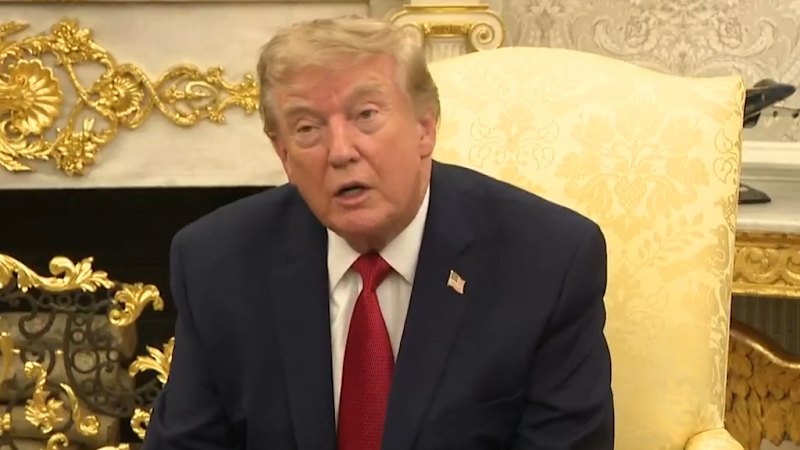
Headlines keep buzzing about Natalie Harp. People want to know why a 35-year-old aide commands so much proximity to Donald Trump. Critics call it weird. Supporters call it loyalty. The truth sits somewhere in the messy intersection of modern political obsession, personal survival stories, and West Wing access.
When political figures start questioning presidential travel arrangements or the inner workings of an administration based on who stands closest to the Oval Office desk, the public notices. But reduce this relationship to a simple talking point and you miss the entire machinery of how power works right now. For a different perspective, read: this related article.
The Origin Story That Created an Inseparable Bond
Long before she carried a portable printer onto golf courses or managed social media feeds, Natalie Harp's path crossed with Trump's over a piece of legislation. Back in 2019, Harp battled stage two bone cancer. She credited the federal Right to Try Act—signed by Trump—with giving her access to treatments that changed her diagnosis from terminal to manageable.
That single medical lifeline turned her into an evangelical supporter. She spoke at the 2020 Republican National Convention, worked at One America News Network, and eventually transitioned into an official campaign role. Similar reporting on the subject has been shared by Wall Street Journal.
Most staffers come and go through revolving doors of ambition. Harp arrived with a sense of ideological crusade. She didn't just want a job in politics. She viewed the principal as the reason she survived. That changes the psychological dynamic completely.
Why the Inner Circle Gets Nervous
Proximity breeds jealousy in any administration. Inside Trump's orbit, Harp occupies a unique spot that drives traditional handlers crazy.
She earned the nickname "human printer" because she literally carries a laptop and printer to feed Trump hard-copy news, favorable columns, and social media drafts. Trump prefers paper over screens. Harp figured that out early. While other aides fight for scheduled briefing times, she maintains constant physical access.
Reports from journalists tracking the administration note that she controls the flow of Truth Social posts. She bypasses traditional communications gatekeepers. That independence irritates veteran operatives who want message discipline. When an aide answers only to the boss and ignores everyone else, friction is guaranteed.
The Letters and the Loyalty Test
Books and investigative reports have highlighted personal letters Harp sent to Trump, containing phrases like "You are all that matters to me". Critics frame this devotion as cultish or unusual. Defenders view it as standard operating procedure for a loyalist who watched friends abandon ship after turbulent political moments like January 6.
When legal indictments piled up and traditional allies grew quiet, Harp stayed visible. She stood by him through arraignments, secret security flights, and relentless media storms. In a world where institutional loyalty is rare, absolute devotion creates an unbreakable currency.
Stop looking at this dynamic as an anomaly. It's the ultimate example of how personal allegiance wins out over institutional hierarchy every single time.
'She'll never leave me': Who is Trump's aide Natalie Harp?
This video provides an in-depth look at Natalie Harp's background, her medical journey, and her powerful role as one of Donald Trump's closest aides.