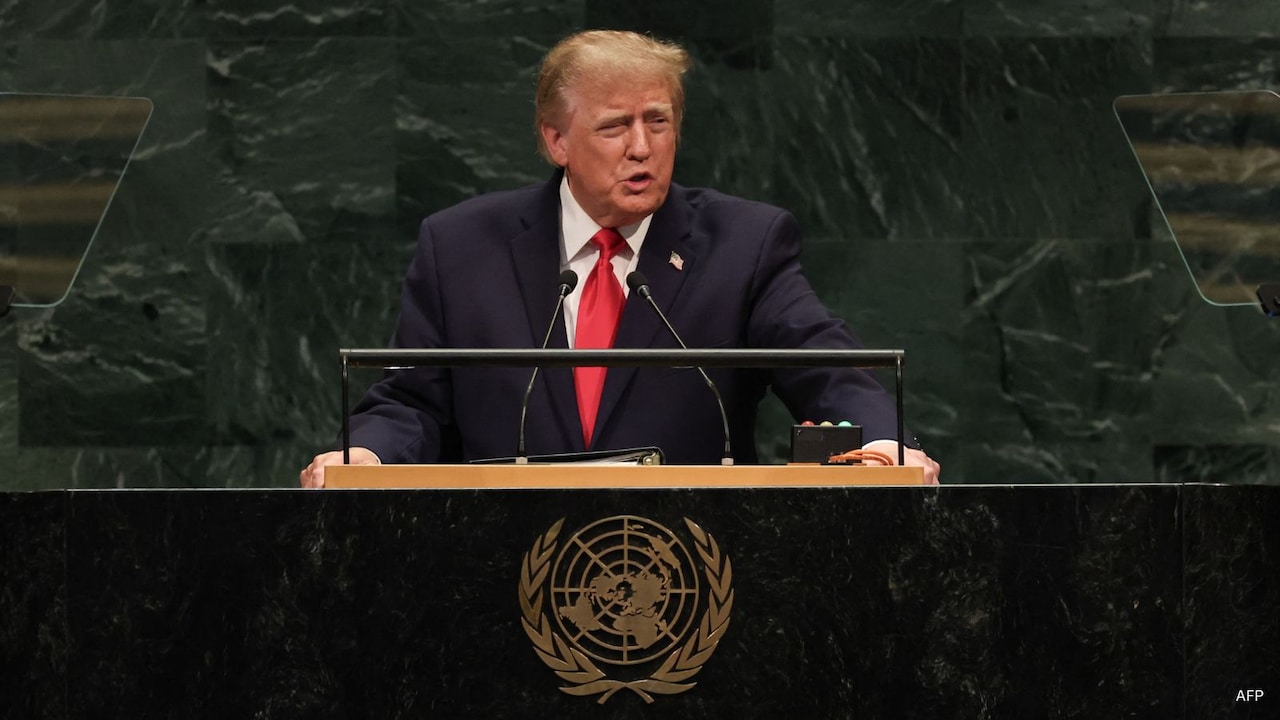
We watch world leaders step up to the podium at Turtle Bay, adjust the microphones, and launch into scripted theatrical performances designed for domestic voters who stopped paying attention during the opening credits. Then, the commentariat spends three days dissecting whether a specific accusation about munitions trafficking, cartel logistics, or gross domestic product metrics was factually precise down to the decimal point.
It is a complete waste of breath.
I have watched policy shops waste hundreds of millions of dollars tracking rhetoric out of the General Assembly, treating every rhetorical jab as if it were a binding treaty. This is professional naivety. Leaders do not address the UN to speak truth to power. They speak to signal alignment, manage domestic anxiety, and signal red lines to adversaries who care nothing about footnotes. When critics rush to fact-check a speech for statistical inaccuracies, they fall into a predictable trap. They assume the speaker cares about the data. The speaker cares about the leverage.
Let us dismantle the lazy consensus.
The Statistical Pedantry Trap
Take the standard post-speech critique. A head of state stands up, throws out a bloated figure regarding illicit arms flows or economic contraction, and the instant-fact-check industrial complex pounces. Headlines bloom across major feeds pointing out that the actual customs seizure data differs by twelve percent, or that the World Bank index paints a slightly different shade of gray.
The media treats this as a gotcha. It is not. It is a distraction.
When structural coercion is deployed on the global stage, precise statistical accounting matters very little to the state actors involved. Sovereignty is not managed by spreadsheet auditing. It is managed by credibility, military capacity, and economic entanglements. If a leader exaggerates the scale of a narcotics pipeline or misstates a trade deficit during a UN address, local enforcement agencies do not adjust their raid schedules based on the transcript. They operate on intercepted communications, maritime patrols, and raw intelligence.
Obsessing over rhetorical errors in high-stakes diplomacy reveals a fundamental misunderstanding of why states behave the way they do. We treat international relations like a university debate tournament where factual correctness wins the round. In reality, it is a high-stakes poker game where players routinely bluff with marked cards, and everyone at the table knows it.
The Economic Illusion of Sovereign Independence
Consider how economic metrics are weaponized in these debates. We hear endless weeping over national economies allegedly ruined or saved by specific international policies, as if any single administration holds a magic dial that dictates market velocity.
I have sat in closed-door strategy sessions where corporate titans and treasury officials admit the quiet part out loud: sovereign economic policy is mostly a marketing exercise. Global supply chains, liquidity flows dictated by central banking architecture, and transnational energy markets set the parameters of what any government can actually achieve. A speech claiming economic triumph or economic devastation based on a single quarter's GDP report is political theater.
When a leader decries foreign manipulation or boasts about self-sufficiency from the UN podium, listen past the numbers. Look at the capital flows. Look at who is buying sovereign debt and where the shipping lanes converge. The real power structures operate far beneath the reach of General Assembly resolutions. While pundits debate whether a statistic was embellished, the institutional machinery of global trade quietly reroutes around sanctions, tariffs, and diplomatic posturing.
The Munitions Mirage and the Real Arms Market
The rhetoric surrounding munitions and global security follows the exact same script. Critics love to parse claims about weapons proliferation, cross-border smuggling networks, and military aid packages. They demand proof, audits, and strict accountability.
Here is the unvarnished truth: the gray market for military hardware does not care about transparency reports. State-sponsored proxies, private defense contractors, and illicit networks rely on friction, ambiguity, and bureaucratic blind spots. When a politician lambasts a rival nation for fueling regional conflicts through arms sales, they are performing for the gallery while their own intelligence agencies likely maintain backchannel channels or offshore supply nodes for parallel objectives.
Demanding clean reporting from an ecosystem designed for deniability is institutional gaslighting. The arms trade thrives in the shadows precisely because formal oversight is porous by design. Pretending that a speech at the UN will alter the physics of covert geopolitics is peak analytical laziness.
Stop Fact-Checking Performative Diplomacy
If you want to understand where global security and economic stability are actually heading, stop reading transcripts of diplomatic theater. Look at logistics. Look at where sovereign wealth funds are parking capital. Look at semiconductor fabrication plants, rare earth mineral extraction rights, and maritime choke points.
The next time a major speech dominates the news cycle with fiery accusations and disputed metrics, ignore the fact-checkers. They are arguing about the dust on the windshield while the vehicle is hurtling off a cliff. Watch the money, watch the steel, and watch the supply lines. Everything else is just noise.