The lazy consensus on the Russia-Ukraine war relies
Why Everything You Thought You Knew About Putin and Zelenskyy is Entirely Wrong
news
The media wants you to believe this is a straightforward morality play. A cartoon villain overplayed his hand in Kyiv, a defiant comedian rallied the free world, and a grinding war of attrition persists simply because one side refuses to see reason. This is a comforting delusion. It sells newspapers, it justifies endless appropriations bills, and it completely misunderstands the structural mechanics of modern great power conflict.
The conventional narrative focuses entirely on tactical failures. Analysts love to armchair-quarterback the initial armored columns pushing toward the capital, pointing to logistic breakdowns and hubris as Putin's catastrophic miscalculation. That is amateur hour analysis. The fundamental error was never tactical. It was a complete misread of how economic architecture absorbs systemic shock.
Western commentary treats sanctions like a fast-acting poison. The mainstream consensus predicted the Russian economy would crater in months, forcing the Kremlin to sue for peace. When that failed, the narrative pivoted to the idea that manufacturing bottlenecks and manpower shortages would eventually grind the war machine to a halt. Both assumptions missed the baseline reality of how a command-adjacent petrostate actually functions when cut off from Western financial plumbing. Moscow did not dodge the blow; it simply restructured its entire economic orbit eastward, trading European dependency for Asian integration with a chilling, clinical efficiency.
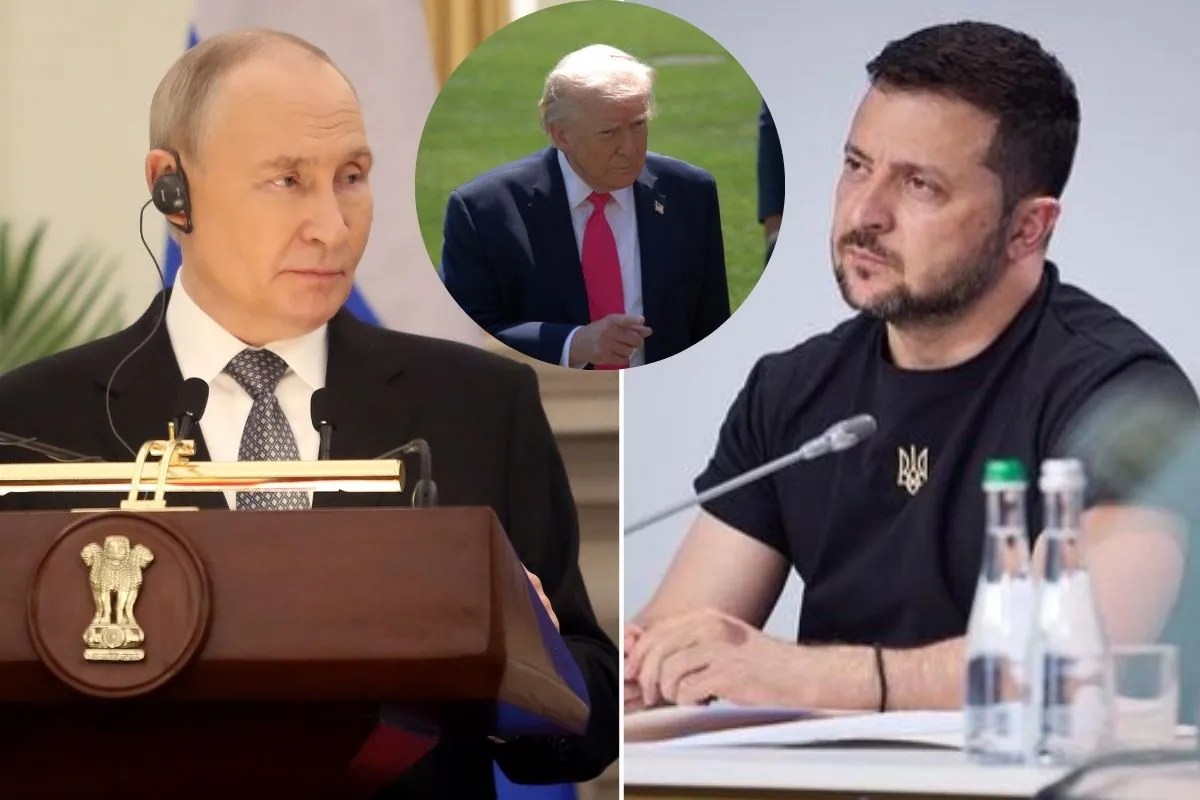
On the other side of the ledger, Volodymyr Zelenskyy faces an entirely different set of structural traps. The prevailing narrative paints Ukrainian leadership as the unyielding bastion of democratic resilience. While that plays well on television, it masks a grinding existential arithmetic. Wars of attrition are won by steel, demographics, and industrial depth. When your defense strategy relies entirely on an external donor's political calendar, you are not sovereign; you are managed. Every delay in ammunition deliveries or political posturing in foreign capitals exposes the fatal flaw of fighting a total war with borrowed logistics.
The war drags on not because of some tragic miscommunication or an unwillingness to negotiate. It persists because both primary actors are locked inside strategic loops they cannot exit without political annihilation. For Moscow, backing down means accepting a permanent, heavily armed NATO staging ground directly across its flattest invasion corridor—an outcome the security apparatus deems structurally unacceptable. For Kyiv, accepting territorial partition means legitimizing a precedent that shatters the post-World War II international order, while condemning the country to a hollowed-out, landlocked rump state choked by economic strangulation.
Stop looking for a diplomatic breakthrough in a conference room. Wars of this scale do not end when politicians get tired of talking; they end when the mathematical limits of destruction outpace the political utility of continuing. Until the underlying security architecture of Eurasia is completely redrawn, every ceasefire proposal is just a brief intermission before the next act.