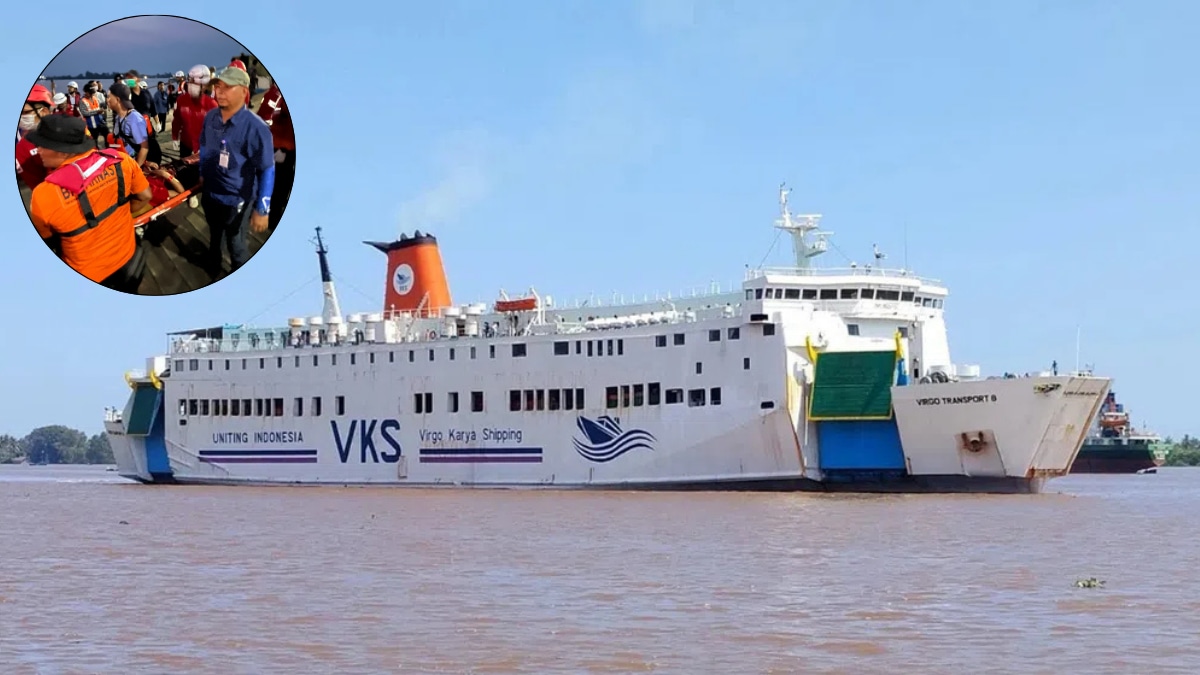
Every time a freighter takes a hit near the Strait of Hormuz, the predictable panic machine spins into high gear. Pundits scream about oil shocks. Markets wobble. Analysts on cable news dust off maps from 1980 and talk about global supply chain paralysis as if international trade is a fragile house of cards waiting for a single gust of wind.
It is lazy, terrified thinking.
The standard media narrative focuses on the immediate tragedy and the loud, localized flashpoint while missing the structural reality of modern maritime logistics. When a commercial vessel is struck near those narrow waters, the headline screams about an impending energy crisis. The hidden truth is that global shipping operates with a resilience built on redundancy that panic-peddlers refuse to acknowledge.
I have watched logistics desks overreact to phantom threats for decades, burning millions in unnecessary rerouting costs while freight rates spike entirely on psychological fear rather than actual tonnage loss. The system does not break because a single hull takes damage. The system adapts because it is engineered by cynical operators who price geopolitical friction into every container and barrel from day one.
Let us dismantle the core premise everyone accepts without question: that a regional skirmish in a narrow transit corridor spells doom for international commerce.
The Myth of the Fragile Chokepoint
Look at how the mainstream describes Hormuz or the Bab el-Mandeb. They treat them like fragile glass tubes. If one cracks, the whole machine bleeds out.
That is nonsense.
Maritime trade routes are networks, not single threads. When transit costs or risks spike in one corridor, charterers do not simply throw their hands up and park their fleets. They recalculate fuel burn, speed, and insurance premiums in real time. The market pivots. Tanker owners shift routes toward the Cape of Good Hope or optimize existing overland pipelines that compensate for maritime bottlenecks.
The real story is not about the vulnerability of the shipping lane. It is about the profitability of the panic. Insurance syndicates in London raise war-risk premiums not because half the fleet is sinking, but because uncertainty is the most lucrative product on the market. They extract maximum rents from nervous boards of directors who do not know the difference between a localized strike and a systemic blockade.
When a commercial ship is struck, the immediate loss of life is a human tragedy, but the economic shockwave that follows is largely manufactured by algorithms and analysts chasing clicks.
Pricing the Unquantifiable Risk
Let us look at how risk is actually managed in high-tension zones.
If you talk to an armchair strategist, they will tell you that companies need to pull out of volatile regions entirely. That sounds principled until you look at the math. Total avoidance means abandoning the cheapest, most efficient energy corridors on earth. Corporations do not operate on moral comfort; they operate on expected value calculations.
The professional operator assumes hostile interference is a fixed operating expense, right alongside bunker fuel and port tariffs. They do not panic when an incident occurs because the probability of that incident was already baked into their quarterly balance sheet three months prior.
To understand why the panic cycle repeats every single time, you have to look at the incentive structure of modern risk communication. Fear sells insurance policies, drives up spot rates for vessel owners who have alternative tonnage positioned outside the conflict zone, and gives politicians an excuse to justify massive naval budgets. Everyone wins except the end consumer, who pays an extra few cents at the pump because the market priced in an apocalypse that never materialized.
The Unspoken Downside of Hyper-Redundancy
Of course, my contrarian stance has its own blind spots. I am not going to pretend this system is frictionless.
The downside of treating geopolitical violence as a mere line item is that it normalizes danger for crews. When shipowners optimize for profit margins through high-risk zones, the human cost falls squarely on the mariners manning those decks who do not have the luxury of managing risk from a leather chair in Geneva or Houston. That is the dark side of commercial pragmatism. The resilience of the supply chain is subsidized by the nerves and safety margins of sailors caught in the crossfire of regional posturing.
Furthermore, relying on endless rerouting creates structural inflation. It masks the underlying inefficiencies of political instability by passing the cost downstream in micro-increments until the entire global economy feels sluggish, not from a sudden shock, but from a thousand small paper cuts.
Stop Watching the Map
The next time a headline breaks about an explosion, a drone strike, or a boarding incident near a major maritime artery, ignore the cable news maps with their pulsing red arrows.
Ask yourself who benefits from the immediate panic. Look past the theatrical posturing of state actors and the breathless warnings of risk consultants. The global trade network is a sprawling, ruthless, self-healing organism. It does not break because of a localized strike. It routes around the damage, charges you a little more for the trouble, and keeps moving while the pundits are still reading their opening scripts.
Stop betting on the collapse of the trade lanes. Bet on their cold, unfeeling capacity to absorb chaos and keep turning a profit.