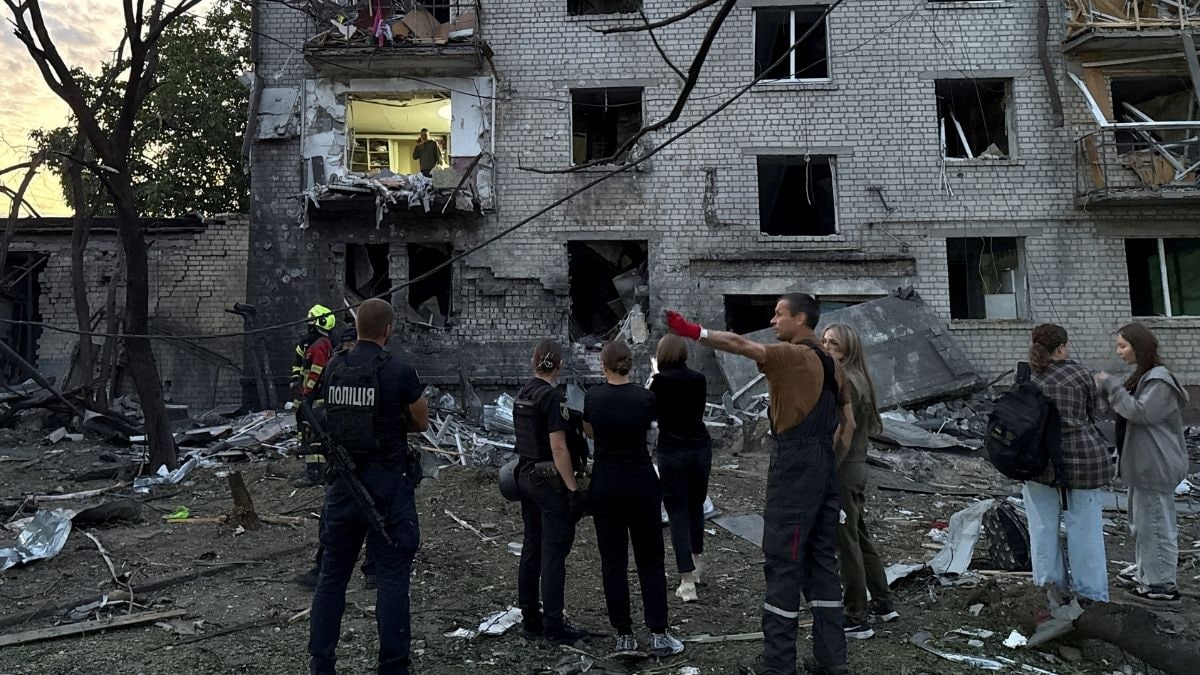
Another headline drops. Twelve dead in an overnight strike. One of them is Indian. The internet convulses with diplomatic shock, token expressions of grief from foreign ministries, and the predictable churn of algorithmic outrage.
Stop reacting to the body count and start looking at the mechanics of modern attrition. Meanwhile, you can read similar events here: Inside the Battle for the Strait of Hormuz As the MQ-9 Claims Pile Up.
The lazy consensus in international reporting wants you to view every foreign national caught in the blast radius of this conflict as a tragic anomaly, a random tourist or misplaced expat unlucky enough to be standing in the wrong room. That framing is not just naive. It is an intentional misdirection that shields governments and defense analysts from explaining why people from the Global South are ending up on front-line rosters thousands of miles from home.
I have spent years analyzing force generation pipelines and migrant labor traps in zones of geopolitical friction. When a citizen from a developing economy dies in a flashpoint like eastern Ukraine, the narrative of accidental victimization falls apart under the weight of economic desperation and contractual coercion. They are not collateral damage in the traditional sense. They are the shock absorbers of an international labor market that feeds human fuel into grinding war machines. To explore the bigger picture, we recommend the recent article by The Washington Post.
The Economic Conscription Line Nobody Talks About
Let us discard the polite fiction that these individuals simply wandered into a combat zone.
The structural reality is clear. Private contracting firms, opaque recruitment agencies, and auxiliary military networks do not operate on ideological zeal; they operate on wage arbitrage. When domestic economies stall and youth unemployment reaches suffocating heights, a contract offering a monthly salary that dwarfs a family's annual income in Delhi, Mumbai, or rural provinces stops looking like a risk and starts looking like the only exit strategy available.
Foreign ministries issue stern advisories telling citizens to avoid conflict zones. They issue warnings after the fact, expressing deep concern over bodies returning in cargo holds. This is bureaucratic hypocrisy at its finest. You cannot preach free-market mobility while criminalizing the desperate choices individuals make when their local labor markets offer zero upward mobility.
If you want to understand why non-aligned nationals are dying in overnight missile barrages, look at the recruitment funnels operating openly on social media platforms across South Asia. They leverage financial panic. They promise logistical support, non-combat roles, and swift citizenship pathways, only to pivot the moment boots hit the ground. By the time the recruit realizes they are being used as forward observers or trench-holding infantry, their passport is confiscated and the contract is non-negotiable.
Dismantling the Diplomatic Theater
When a casualty occurs, watch the official response loop.
- The embassy acknowledges the death.
- Local media runs a twenty-four-hour cycle on the tragedy of war.
- Vague assurances are made about putting pressure on foreign counterparts to halt the practice.
Nothing changes. Nothing changes because the system relies on plausible deniability. Governments benefit from remittances sent home by migrant workers, even when those workers are funneling through high-risk contracting vectors. The state wants the economic benefit of outward migration without taking responsibility for the downstream catastrophic risks of modern high-intensity warfare.
To treat these deaths as isolated tragedies is to misunderstand how contemporary conflict functions. Modern war does not just consume munitions, steel, and fuel. It consumes marginal labor. It recruits from the margins of the global economy because domestic populations in the primary belligerent nations are increasingly shielded by political costs and selective mobilization caps.
The Uncomfortable Truth About Globalized Attrition
We are witnessing the Uberization of military logistics. Just as gig economies outsource risk to independent contractors with zero labor protections, modern war outsourcing allows state actors to replenish ranks without triggering domestic political crises. If a Western or Asian national signs up via a third-party security firm, their death registers as a private matter rather than an escalation of state-to-state conflict.
This is the structural flaw in how the media covers these events. They treat the symptoms—the overnight strike, the specific nationality, the emotional aftermath—while ignoring the disease. The disease is a global economic architecture that makes dying in a trench in the Donbas mathematically preferable to starving slowly at home.
Until we stop pretending these casualties are accidental tourists and start addressing the predatory recruitment networks that pipeline impoverished labor into active combat zones, these headlines will repeat on an infinite, tragic loop.
Stop mourning the illusion of accidental tragedy and fix the economic desperation that built the pipeline.