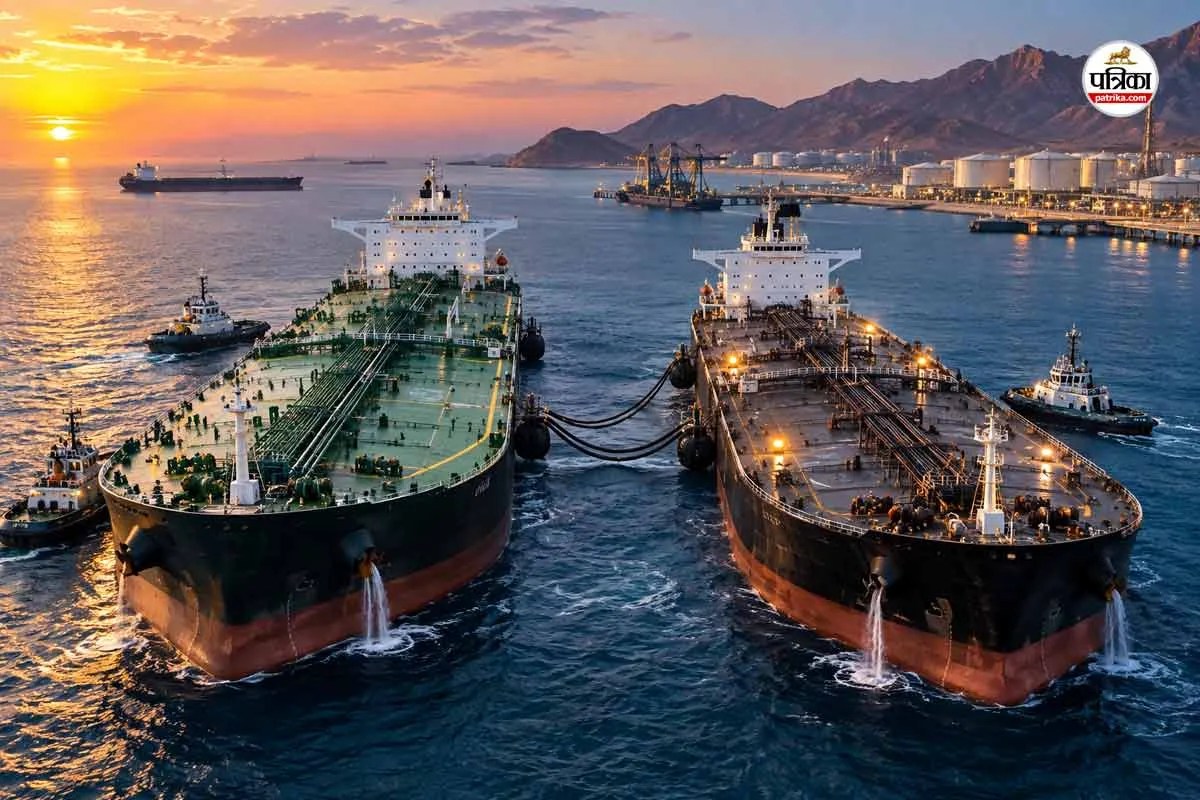
The mainstream narrative loves a clean escape hatch. Whenever tensions flare in the Persian Gulf, media outlets scramble to declare that Riyadh has found a clever bypass around the Strait of Hormuz, pointing triumphantly toward alternate ports, Red Sea pipelines, and Omani logistics hubs like Sohar.
It is a comforting fantasy. It paints a picture of resilient supply chains effortlessly shifting gears while geopolitical flashpoints burn below.
It is also fundamentally detached from reality.
I have watched analysts burn millions of dollars in capital and credibility building trading models around these mythical bypasses. The hard truth is that Saudi Arabia cannot simply reroute its way out of the Hormuz bottleneck, and the fixations on secondary outlets are masking a structural vulnerability that no pipeline can solve.
The Arithmetic of Illusion
To understand why the alternate route theory collapses, look past the PR statements and examine the raw numbers. The standard narrative treats Saudi Arabia’s East-West Pipeline (Petroline) as a drop-in replacement for the maritime traffic squeezing through Hormuz.
The pipeline has a nameplate capacity of roughly 5 to 7 million barrels per day. Sounds impressive until you realize Saudi export requirements dwarf that threshold during peak global demand, and the kingdom's primary oil fields—Ghawar, Safaniya, Khurais—are engineered to feed eastern terminals like Ras Tanura, not the western seaboard. Turning that geological super-tanker around requires reversing decades of infrastructure optimization.
Worse still, pointing tankers toward Omani ports or shifting volumes through ship-to-ship transfers off Sohar introduces a massive friction tax. Every extra transfer point adds demurrage costs, insurance penalties, and processing delays that shred profit margins.
"A pipeline is only as secure as its most vulnerable pump station, and a detour is only an option if it doesn't bankrupt the buyer on logistics overhead."
When drone strikes or regional sabotage clip the wings of the Red Sea infrastructure, those neat little backup routes vanish overnight. Relying on the Bab el-Mandeb strait at the exit of the Red Sea merely trades one Iranian-influenced chokepoint for a Houthi-controlled nightmare. You are not escaping geopolitical risk; you are just paying a higher shipping fee to walk into a different trap.
The Dangerous Complacency of Alternative Terminals
Market commentators treat ports like Sohar as magic valves that can instantly absorb millions of barrels of redirected crude. This ignores physical geography and port draft limitations. Supertankers, or VLCCs (Very Large Crude Carriers), are built for deep-water oceanic haulage and massive terminal throughput. Shunting those volumes into smaller regional hubs forces a logistical scramble that triggers bottlenecks severe enough to spike global Brent benchmarks within hours.
When traders assume Sohar or Yanbu can absorb the shock of a closed Hormuz, they misprice the cost of maritime insurance and dark-fleet operations. Insurers do not care about diplomatic optimism. They care about missile ranges and hull risk. Once underwriters price in the reality of regional escalation, the cost of moving barrels via alternative pathways cancels out any economic benefit of bypassing the main channel.
Stop Looking for Magic Bullets
The obsession with finding a geographical workaround misses the actual evolution happening in global energy. The solution to a chokepoint is never a longer, more fragile pipe across an unstable desert; it is demand-side restructuring and localized energy security.
If you are positioning your portfolio or your supply chain around the premise that a clever Middle Eastern detour will insulate you from regional conflict, you are betting on a mirage. The Strait of Hormuz is not a checkpoint you can casually drive around. It is the core anchor of global liquid fossil distribution, and until the world breaks its addiction to crude entirely, every alternative route is just a expensive bandage on a gaping structural wound.