Air conditioning is a luxury in Paris, not a standard. When temperatures soar past 40 degrees Celsius, thick limestone apartments turn into stone ovens. The heat gets trapped inside the walls during the day, and because nighttime temperatures are breaking records too, the buildings never cool down. It is an exhausting trap.
Right now, French authorities are scrambling to count the human cost of a brutal, record-smashing heatwave. It is already clear that the system is buckling. Public Health France put out a preliminary estimate showing that deaths surged dramatically during the peak of the high temperatures. On a typical day in April or May, the country sees about 900 to 1,000 deaths. Last Wednesday, when France registered its hottest day on record, daily deaths jumped to over 1,200. By Thursday and Friday, that number hit 1,400 daily deaths. That is at least 1,000 extra fatalities in just a three-day window, and officials openly admit that number will grow as more data comes in from rural towns and care homes.
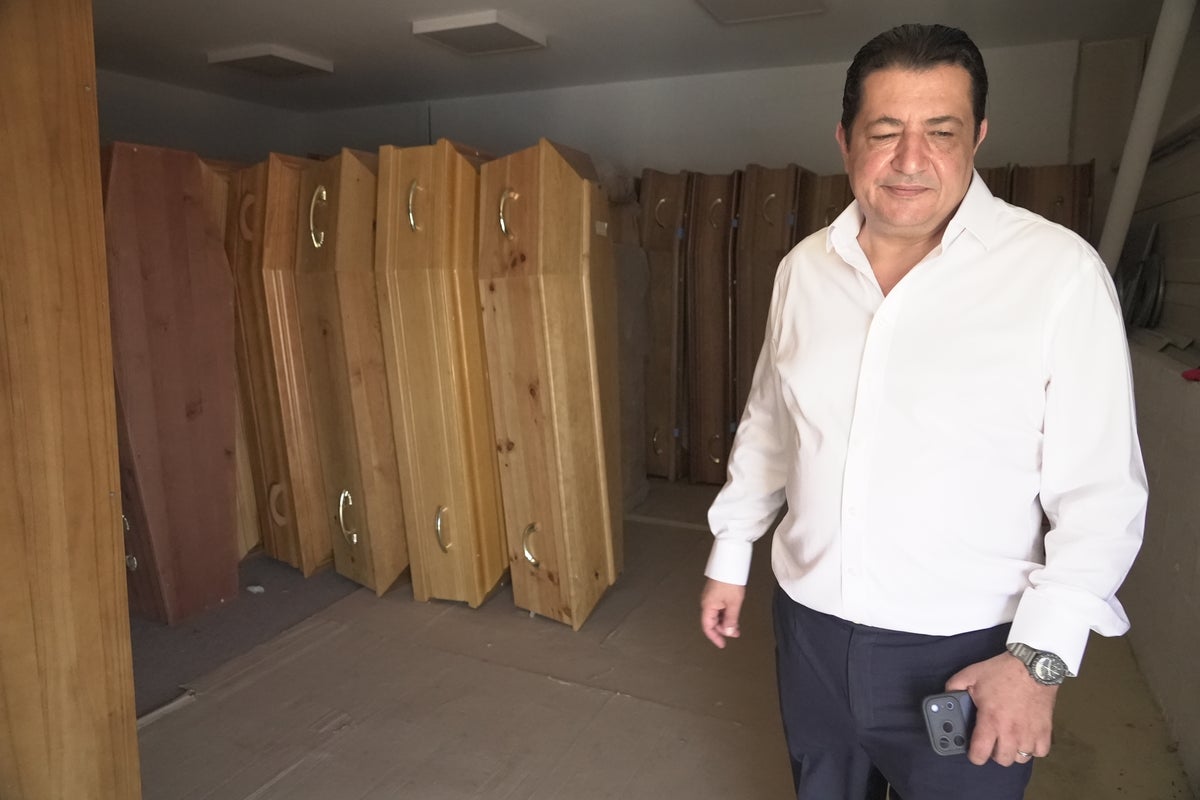
The crisis is visible in the city's overflowing morgues. Funeral directors are working the phones around the clock, trying to find places to store bodies. Space has run out.
The Logistics of a High-Temperature Mortality Surge
When a city experiences a sudden spike in deaths, the entire infrastructure of municipal services gets pushed to the brink. In Paris, the problem is storage. Mortuaries are strictly limited by their cold-room capacity.
Zouhaeir Hertelli, a mortuary owner located near Paris Orly airport, has been turning people away. His facility has 32 spaces in its cold room. Every single one is full. He gets hundreds of calls from mourning families and independent funeral directors, but he has to keep saying no.
The pressure has forced the local government to implement emergency measures. Paris City Hall stepped in to add temporary capacity, setting up two makeshift units with 20 spots each for municipal mortuaries. Local hospitals managed to clear out another 50 emergency spaces. It is still not enough. Funeral operators are now transporting bodies 80 kilometers outside the capital to facilities in cities like Chartres just to find a refrigerated room. Industry representatives have asked the government for emergency authorization to deploy refrigerated shipping containers outside transport hubs, but the administrative green light takes time.
Hospitals are facing a parallel crisis. Emergency medical services covering Paris and its surrounding departments reported an 80% increase in call volumes during the worst of the weather. Emergency room admissions shot up by 36% across the Paris public hospital network. At Argenteuil Hospital in the Greater Paris region, doctors reported responding to dozens of severe cardiac arrests directly linked to hyperthermia, with one patient registering an internal body temperature of 43.7 degrees Celsius.
Who Bears the Brunt of Extreme Urban Heat
This is not a random crisis. The data reveals exactly who is dying, and it points to a massive vulnerability in how we care for vulnerable populations in urban environments.
According to public health reports, 85% of the excess deaths recorded during the three-day peak were people aged 65 and older. The most telling statistic is a 40% spike in deaths occurring directly at home, particularly within the single-person households of the Paris region.
Daily Mortality Rates in France (Summer Peak vs Spring Average)
--------------------------------------------------------------
Spring Average (April/May):   900 - 1,000 deaths / day
Heatwave Wednesday:          1,200 deaths / day
Heatwave Thursday:           1,400 deaths / day
Heatwave Friday:             1,400 deaths / day
Older adults living alone in top-floor apartments are the primary victims. These units, historically built as cheap housing for domestic workers, sit directly under zinc roofs that absorb heat and radiate it downward like a broiler. Without elevators, many elderly residents cannot easily leave to find air-conditioned public spaces. They stay inside, hide from the sun, and slowly succumb to heat stroke.
While heat is the primary killer, it is not the only danger driving up numbers. Interior Minister Laurent Nunez confirmed that 74 people have drowned in rivers, lakes, and swimming pools since the hot spell began on June 18. People are desperate to cool down, leading them to swim in fast-moving rivers like the Seine or unsupervised ponds where currents and cold-water shock catch them off guard.
Why the Lessons of the Past Keep Fading
France has been here before. In 2003, a catastrophic summer heatwave killed roughly 15,000 people across the country, leading to massive political fallout and promises of systemic reform. National alert systems were built, color-coded warning systems were established, and municipal registers were created to track vulnerable residents so social workers could check on them.
Yet, funeral directors on the ground say those lessons have been forgotten. The infrastructure remains fragile because the underlying architecture of the city has not changed. Paris cannot simply retroactively fit millions of historic apartments with energy-intensive air conditioning units without crippling the power grid or ruining the architectural heritage of the city.
The issue extends beyond France. The entire European continent is warming at a rate roughly twice the global average, according to the World Health Organization. Neighboring countries are experiencing similar system shocks. Germany's rail network, Deutsche Bahn, had to warn passengers to delay non-essential travel due to infrastructure issues caused by sagging overhead lines and buckling tracks. Record temperatures were also logged across Switzerland, Denmark, and the Czech Republic.
Dealing with this reality requires more than temporary cooling centers or emergency mortuary tents. It requires structural changes in how cities manage urban heat islands, how apartment ventilation is regulated, and how social services maintain active, daily contact with isolated seniors before the thermometer hits 40 degrees.
If you live in an old apartment building or have elderly relatives living alone in a major city, do not wait for a government alert to take action. Set up a rotating check-in schedule among neighbors, install heavy blackout curtains on south-facing windows, and identify local public spaces like libraries or municipal buildings that run independent cooling systems during extreme weather alerts.
For a broader look at how emergency services and funeral infrastructure across the continent are handling this sudden climate strain, you can watch this detailed report on the European Heatwave Infrastructure Crisis which breaks down the volume of emergency calls and regional hospital capacity limits during the peak days.