Every financial desk in Brussels and Manila is popping champagne over the newly revived trade negotiations between the European Union and the Philippines. The lazy consensus across the trade press is predictable. Analysts call it a masterstroke of supply chain diversification, a triumphant escape hatch from geopolitical tariffs, and a massive win for market resilience.
They are wrong.
I have spent the last fifteen years sitting across mahogany tables advising multinational logistics directors who thought a signature on a bureaucratic parchment could magically rewrite supply and demand curves. I have watched corporations burn hundreds of millions of dollars chasing geographic diversification fantasies while ignoring the brutal structural realities on the ground.
This trade pact is not a strategic masterclass. It is a paper shield.
Brussels wants an alternative to Chinese manufacturing hubs, and Manila wants preferential tariff access for electronics and agricultural goods. On paper, it looks like a textbook win-win. In practice, trade agreements do not build ports, they do not train specialized engineers overnight, and they cannot legislate away systemic infrastructural decay.
Let us look at the actual mechanics.
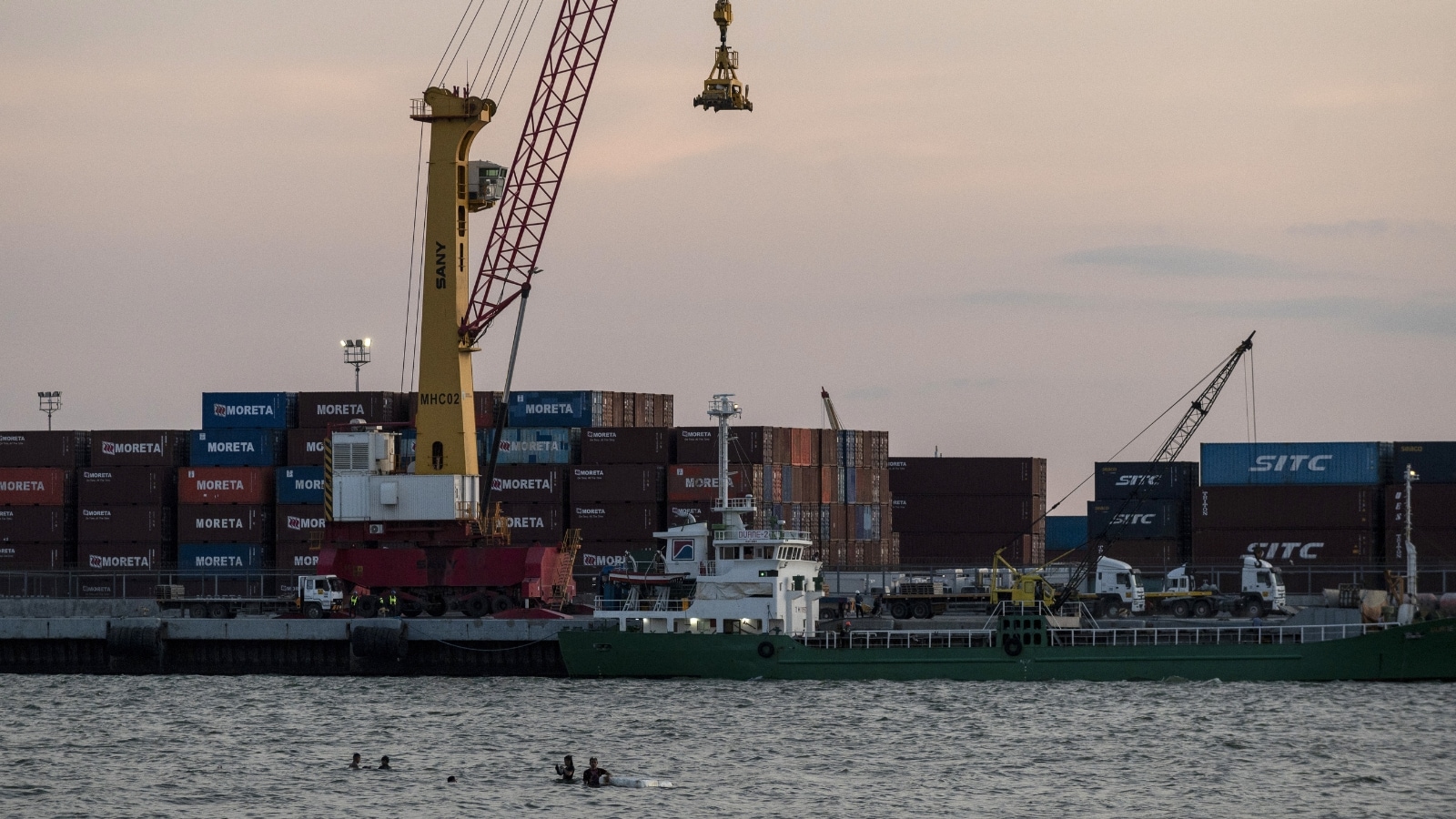
When a trade deal drops tariffs to zero, corporate boards assume goods will flow like water through a newly opened canal. They forget that water requires a channel. The Philippine logistics network is plagued by chronic port congestion, notoriously high domestic shipping costs due to an archipelago geography, and an energy grid that makes industrial stability a luxury rather than a baseline. Lowering tariffs on goods that sit in a container yard for three weeks because of bureaucratic customs drag or rolling blackouts does nothing for your bottom line. You are simply trading one set of headaches for a more expensive, tropical variety.
The proponents of this deal love to throw around the phrase risk mitigation. They argue that by spreading manufacturing exposure from mainland Asia to Southeast Asia, companies insulate themselves against trade wars and tariff spikes. This logic assumes that supply chains are modular Lego blocks that you can snap apart and reassemble in a new port without breaking the pieces.
Real industrial ecosystems take decades to mature. They rely on deep tiers of localized component suppliers, specialized toolmakers, and immediate access to raw materials. If you assemble electronics in the Philippines but still have to import eighty percent of your critical sub-components from China, you have not diversified your risk. You have just added an extra shipping leg, increased your carbon footprint, and created a more complex customs bottleneck. You are still tethered to the exact same dependency, just paying a middleman for the privilege of the detour.
Of course, my perspective has its own vulnerabilities. Critics will argue that ignoring preferential trade agreements leaves money on the table and surrenders market share to competitors who play the bureaucratic game. That is a fair critique. There are tax advantages to be wrung out of these pacts, and if you have an army of compliance lawyers whose sole job is to exploit rules of origin certificates, you can save a few percentage points on margin.
But margin preservation is not supply chain security.
If your entire operational strategy depends on a government stamp of approval to remain profitable, your business model is already fragile. The companies winning tomorrow are not the ones optimizing customs paperwork across new bilateral treaties. They are the ones shortening their feedback loops, nearshoring critical nodes where feasible, and building absolute resilience directly into their manufacturing footprint.
Stop treating trade announcements as operational strategy. When the next major global supply shock hits, nobody will care about preferential tariff rates on intermediate goods that are stuck in a customs queue. Build for reality, not for press releases.