The fragile Middle East ceasefire didn't just bend; it completely shattered.
If you've been watching the news, you know the United States and Iran are back to trading heavy blows. But while the headlines focus on Donald Trump’s late-night bombing runs, the real flashpoint isn't happening inside Iran. It's happening in Kuwait.
Iran’s decision to launch drone and missile salvos at Kuwaiti infrastructure changes the entire math of this conflict. Tehran is no longer just defending its own coast; it's actively trying to break the American coalition by suffocating its neighbors.
The Desert Nation in the Crosshairs
Kuwait just endured another night of heavy air defense engagements. While Kuwaiti forces knocked down dozens of incoming drones and cruise missiles, several got through.
The targets weren't random. Iranian projectiles slammed into a vital water desalination plant and an oil facility, triggering massive fires. For a desert country that relies on desalination for 90% of its drinking water, this isn't just military posturing. It's a direct threat to human survival. Shrapnel rained down across the capital, forcing Kuwait Airways to ground flights and temporarily freeze the country’s airspace. Several military personnel and firefighters are currently hospitalized with injuries.
This marks a massive shift in tactics. Earlier in the war, Iran focused mostly on American bases or Western-linked commercial tankers in the Strait of Hormuz. Now, they're punishing America's allies directly for letting US forces operate from their soil.
Trump Raises the Stakes with Infrastructure Strikes
This sudden expansion of the war zone didn't happen in a vacuum. It's a direct response to a massive, seven-night US bombing campaign ordered by President Trump.
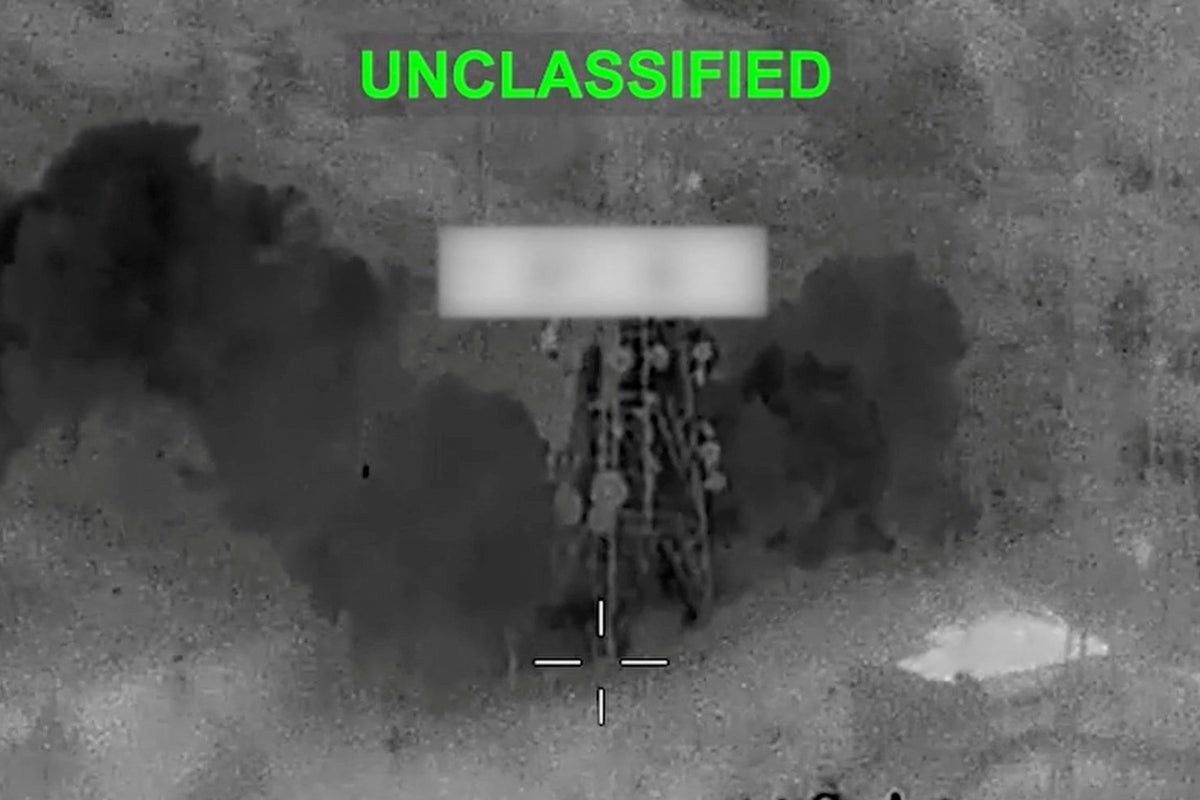
The White House has discarded its previous playbook of hitting only isolated radar sites or launch pads. US Central Command warships, jets, and drones are systematically targeting Iran's logistics. Overnight strikes collapsed a major traffic control tower at Chabahar port and leveled key transport bridges in the southern Hormozgan province.
The goal here is simple: choke off Bandar Abbas, Iran’s primary economic gateway, and isolate the coast from the rest of the country. Trump explicitly warned on Fox News that things will get "really bad" if Iran refuses to negotiate a permanent deal over the Strait of Hormuz. He's threatening to completely wipe out Iran’s civilian power grid and transport systems.
Predictably, the Iranian Energy Ministry has already started begging citizens to cut power usage as southern provinces bake in extreme heat with damaged infrastructure.
Why the Regional Backlash Matters
Trump’s strategy relies on brute pressure to force Tehran back to the table, but the collateral damage is piling up rapidly.
Iran’s Health Ministry claims that over 50 civilians have died and hundreds more are wounded from the latest week of American strikes. Tensions spiked further when Iranian officials accused the US of hitting targets near a children's cancer hospital in Ahvaz, forcing an emergency evacuation of fragile patients.
By striking back at Kuwait, Bahrain, and Jordan, Iran is sending a bloody message to Washington: if we go down, we are taking the global oil supply and your regional partners with us.
Oil markets are already reacting frantically. Brent crude surged past $78 a barrel the second the ceasefire dissolved, and it's creeping higher as transit through the Strait of Hormuz drops to dangerous lows. Thousands of merchant sailors are currently trapped in the Gulf, essentially acting as sitting ducks while both sides trade missile salvos.
Navigating the Fallout
If you have business assets, investments, or supply chains tied to energy or international shipping, you can't afford to treat this as a localized crisis. The shipping gridlock in the Persian Gulf will ripple into global consumer costs within weeks.
Keep a close eye on the diplomatic maneuvers of non-aligned intermediaries. Kuwaiti officials are already holding emergency talks with Pakistani mediators to find a backchannel to de-escalate the violence before their critical water and power networks suffer permanent damage. Watch whether Jordan or Bahrain curtails US access to their military fields to protect themselves from further Iranian retaliation. If America's regional coalition begins to fracture under the pressure of Iran's drone strikes, the White House will find itself fighting an incredibly isolated war.