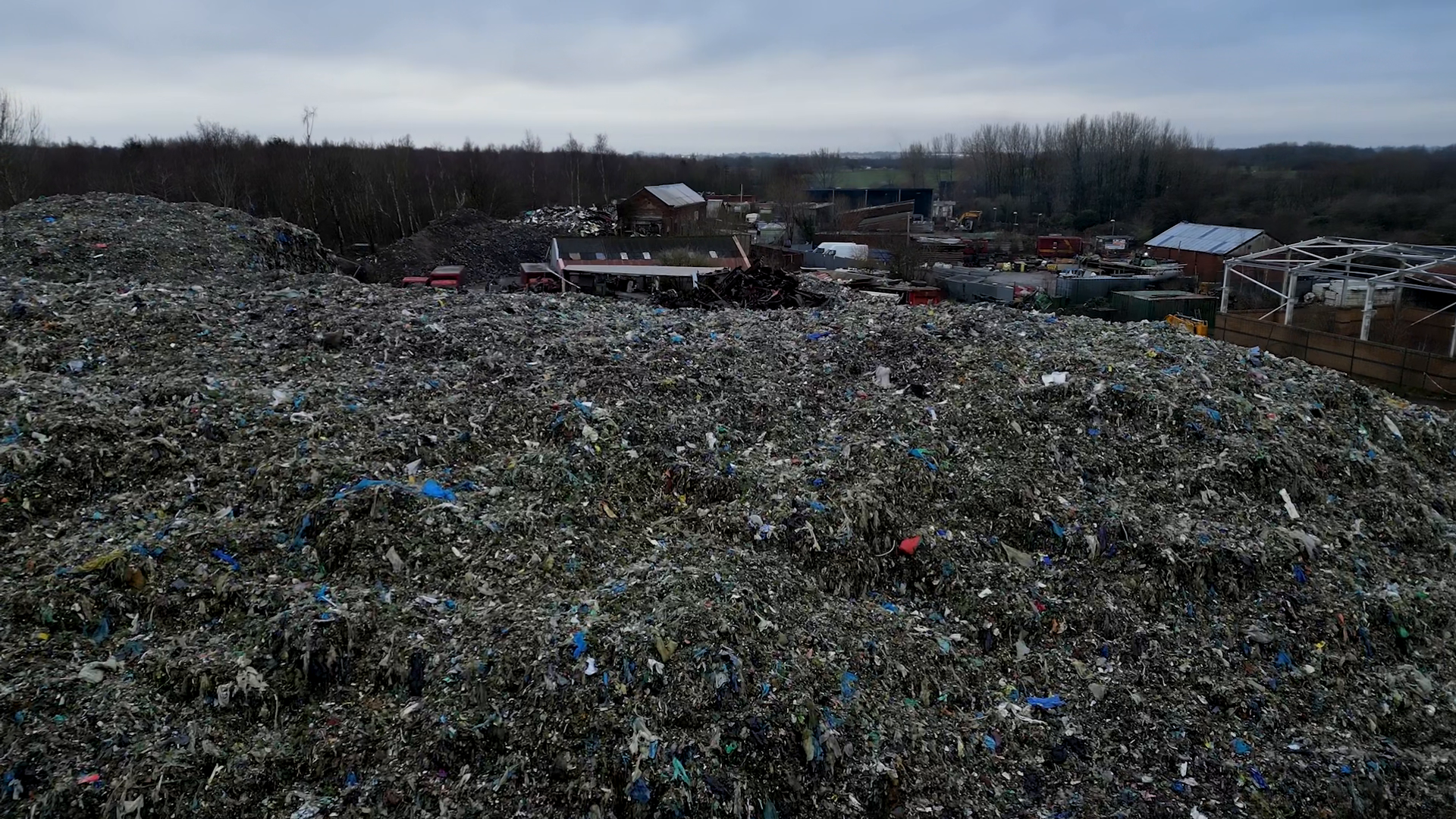
The ground beneath parts of England is groaning under nearly two million tonnes of undocumented, unauthorized, or poorly managed rubbish. The Environment Agency recently pulled back the curtain on its long-awaited high priority waste watchlist, revealing 117 notorious locations across the country that are causing severe distress to local communities.
If you think waste crime is just a bit of late-night fly-tipping in a rural layby, it is time to think again. These are massive operations. We are talking about major commercial plots, rural woodlands, and abandoned industrial sites stacked high with everything from shredded plastics and old tyres to toxic asbestos and construction debris.
The public release of this list isn't just a routine bureaucratic update. It is a tactical move by regulators who are finally admitting that they cannot police the UK’s massive illegal waste economy without local eyes on the ground. For residents living near these ticking environmental time bombs, the reality is a mix of toxic fumes, relentless rat infestations, and plummeting property values.
Inside the Numbers of England’s Massive Waste Hotspots
You can't fully grasp the scale of this issue until you look at where this rubbish is actually piling up. This isn't evenly distributed across the nation. A massive chunk of the burden falls heavily on the South East and East of England.
Kent is currently the worst-hit county in the country, playing host to 13 of the 117 high priority sites. West Sussex follows closely with eight problematic plots, while Norfolk has seven. East Sussex holds six, and Buckinghamshire and Surrey have five apiece.
When you look at the sheer volume of refuse sitting on these sites, the numbers get staggering. Take the site at Iken in Suffolk, where an estimated 121,000 tonnes of construction and demolition waste is currently sitting. Or Broadbridge Heath in East Sussex, lumbered with another 100,000 tonnes. Over in Cheshire, a site in Northwich is flagged for holding 281,000 tonnes of contaminated soil. These aren't just piles of rubbish. They are colossal, unauthorized landscapes built on environmental neglect.
The variety of waste being dumped is just as alarming as the sheer volume.
- Construction and Demolition Debris: Brick, concrete, and soil from major building projects are frequently dumped to avoid steep commercial disposal fees.
- Shredded Mixed Waste: Highly flammable mixes of plastics, household goods, and commercial refuse that present an immediate fire hazard.
- Hazardous Materials: Asbestos and contaminated industrial soil that threaten to leach into local water tables.
- Tyres and Vehicles: Mountainous stockpiles that, if ignited, can burn for weeks and release highly toxic black smoke into nearby residential areas.
Why the Environment Agency is Finally Naming and Shaming
For years, the Environment Agency kept its operational targets close to its chest, often arguing that publishing details of ongoing investigations would tip off rogue operators or prejudice potential court cases. That stance has officially shifted. Chief Executive Philip Duffy made it clear that publishing this watchlist is a deliberate act of transparency designed to let communities know action is being taken, while sending a direct warning to the criminals running these setups.
Let’s be entirely honest about what is driving this sudden transparency. The UK’s illegal waste trade has grown into a highly sophisticated, multi-million-pound criminal enterprise. Rogue operators lease land under false pretences, fill it to the brim with commercial waste while pocketing thousands in disposal fees, and then vanish overnight, leaving the landowner or the taxpayer with a massive clean-up bill.
By making this watchlist public and committing to monthly reviews, the regulator is essentially crowd-sourcing its intelligence gathering. They are banking on local residents to spot when trucks are entering restricted sites, when new dumping begins, or when operators try to bypass locked gates.
The Complicated Reality of Getting These Dumps Cleared
Finding out a mega dump is sitting right on your doorstep naturally leads to an obvious question. When is someone going to clean it up?
This is where you hit a frustrating legal wall. The Environment Agency is quick to point out that it isn't funded to physically clear waste sites. Under the UK's legal framework, the "polluter pays" principle applies. The authorities will try to track down the criminals responsible and force them to foot the bill, or they will put the onus on the unfortunate landowners who often didn't realize what was happening on their property.
Full criminal investigations take months, sometimes years, to build. While the agency works through its 10 Point Plan to tackle waste crime, residents are left dealing with the daily fallout. Lower-risk sites on the list are being targeted with regulatory enforcement to force operators back into compliance. The higher-risk plots are under intensive criminal investigation, meaning the gates might be locked, but the actual mountains of rubbish will remain exactly where they are until court cases wrap up or emergency government funding is triggered.
Clean-up operations are currently underway at high-profile illegal sites like Hoads Wood in Kent and Kidlington in Oxfordshire, but these are exceptions funded due to extreme environmental risks. For the vast majority of the 117 sites, the legal battle must play out before a single shovel touches the ground.
How to Check Your Area and Take Action Safely
If you suspect an illegal dump is operating near you, or if you want to ensure a known site isn't expanding, you have to be smart about how you handle it. Dealing with commercial waste criminals can be dangerous, and confronting operators directly is a terrible idea.
Your first step should be checking the official, regularly updated list of high priority waste sites on the GOV.UK portal to see if the location has already been flagged by regulators. If it is on the list, the Environment Agency is already building a case, but they still need fresh, actionable intelligence.
When you notice active dumping, bad odours, or suspicious truck movements, use the official online "Report an environmental problem" service on the government website. This system routes reports directly to enforcement teams. Alternatively, you can call the 24-hour national incident hotline on 0800 80 70 60.
If you worry about your safety or want to remain completely anonymous, skip the direct channels and report what you know to Crimestoppers instead. Focus your notes on specific details that investigators can use: commercial vehicle registration numbers, exact times of peak traffic, the types of waste being brought in, and whether operators are bypassing existing enforcement notices or locks. Your observations might be the exact piece of evidence needed to close a loophole and shut a rogue site down for good.


