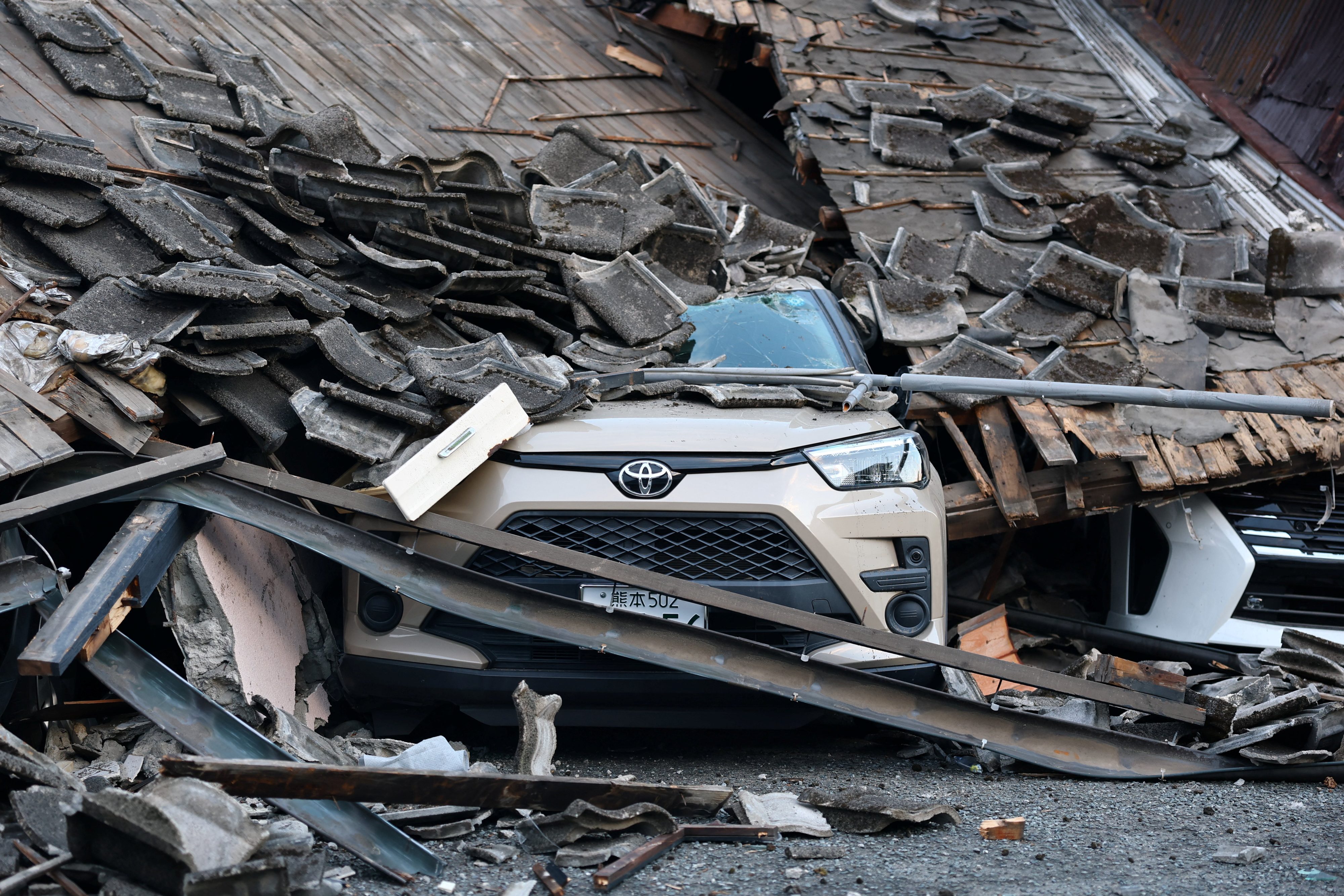
Every time the earth shakes in Japan, the media rolls out the exact same predictable script. Headlines flash about climbing death tolls, broken water pipes, and exhausted survivors baking under relentless summer heat or freezing in winter winds. Reporters point fingers at cracked infrastructure, crumbling concrete, and delayed relief supplies.
It is lazy journalism. And it completely misses the actual mechanical failure of modern disaster management.
The consensus blames government response times and logistical bottlenecks. That analysis treats a systemic architectural flaw like a mere delivery problem. If you think the primary bottleneck during a catastrophic seismic event is simply getting trucks down blocked roads, you do not understand how modern supply chains break down under high stress.
I have watched organizations spend millions on centralized emergency hubs that look brilliant on PowerPoint slides and turn completely useless the second a magnitude 7.0 tremor hits.
Here is the uncomfortable truth the disaster relief industry refuses to admit. Centralized rescue frameworks are designed for optics, not survival. When a crisis strikes, massive distribution centers become single points of failure. Roads buckle. Bridges shear. Central warehouses get buried under rubble or cut off by landslides.
Relying on a fleet of centralized trucks to navigate a shattered grid is like trying to fix a severed artery with a garden hose.
Decentralize or Die
The structural flaw in emergency logistics is a complete absence of local autonomy. Traditional emergency protocols assume that victims are passive recipients waiting for handouts from a central authority. This top-down model creates massive bureaucratic friction.
Look at how decentralized municipal networks actually operate when disaster strikes. The most effective survival rates do not come from national emergency stockpiles arriving on day three. They come from hyper-local redundancy built months before the fault line slips.
Imagine a neighborhood where every single block maintains an independent, subterranean cache of water filtration units, solar generators, and shelf-stable rations, managed entirely by residents. That is not a utopian fantasy. That is the only model that survives a severed highway network.
When central supply chains snap, neighborhoods must function as sovereign economic and survival units for at least seventy-two hours. If your survival plan depends on a government convoy making it past a collapsed overpass, you are already out of time.
The Heat and Thirst Fallacy
Media coverage loves to focus on the immediate misery of thirst and heat exposure. Reporters stand in front of cracked asphalt, interviewing dehydrated residents standing in long lines for bottled water.
This framing creates a false emergency. Water scarcity after an earthquake is rarely a total volume shortage. Japan has some of the most advanced water infrastructure on earth. The crisis is an allocation and distribution failure caused by rigid municipal protocols that forbid distributing water until official safety inspections clear the local mains.
Think about that for a second. Millions of liters of municipal water sit in sealed underground reservoirs while people line up in the heat, simply because an inspector has not signed a clipboard.
That is not a natural disaster. That is bureaucratic manslaughter disguised as caution.
The contrarian fix is radical decentralization of municipal safety valves. Local block captains need legal authority to override bureaucratic inspection mandates the moment a major tremor registers on the Japan Meteorological Agency scale. Waiting for centralized clearance while citizens suffer from heatstroke is an operational failure of imagination.
Upending the Relief Economy
Charity is broken. When a major earthquake hits, well-meaning people across the globe flood relief agencies with cash, clothing, and random supplies. Warehouses overflow with winter coats sent during summer disasters, and expired canned goods that cost more to sort and dispose of than they are worth.
This influx of uncoordinated aid creates what logisticians call the secondary disaster. It chokes the ports. It clogs the remaining passable roads with volunteer traffic. It turns local coordination teams into logistics clerks sorting through boxes of junk instead of pulling people out of collapsed buildings.
If you want to help during a crisis, stop sending goods. Send unconditional, immediate digital liquidity directly to local municipal accounts via decentralized ledger systems. Let people on the ground buy what they actually need from surviving local merchants.
Cash is infinitely more flexible than a shipping container full of bottled water that takes two weeks to clear customs and transport across a fractured prefecture.
The Structural Reality Check
Critics of this hyper-localized approach argue that decentralization breeds chaos. They claim that without strict central command, resources will be hoarded by the wealthy or unevenly distributed.
That criticism ignores reality. Central command already fails during high-stress events. The chaos is baked into the system the moment the infrastructure breaks. Acknowledging that reality does not create the chaos; it gives us a fighting chance to survive it.
We need to stop treating earthquakes as sudden anomalies that catch us off guard. In Japan, seismic activity is the baseline condition. Treating it like an unexpected emergency is an admission of systemic failure.
Stop waiting for the convoy. Build the bunker in your backyard, decentralize your neighborhood supplies, and strip local bureaucrats of the power to withhold water behind a clipboard.
The earth is going to shake again. The only question is whether you are planning for the disaster that happened yesterday or building for the reality hitting tomorrow.