The internet loves a good gimmick.
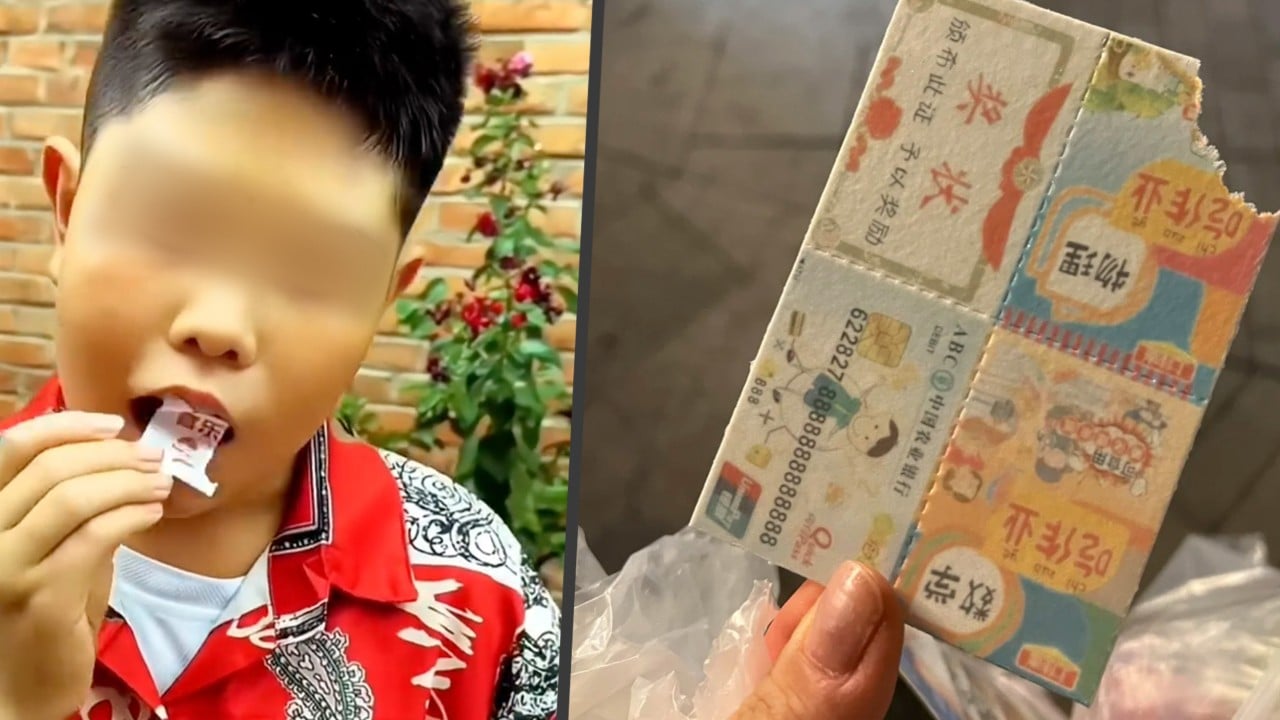
A few months ago, clips started flooding social media platforms out of East Asia. Students in ultra-competitive high schools were filmed biting into math workbooks, chewing on chemistry equations printed on edible rice paper, and swallowing their geography quizzes with a straight face. The internet chuckled. Pundits called it quirky. Commentators cooed about youth resilience and dark humor in the face of crushing academic pressure.
It is none of those things.
It is a symptom of a sick system that has successfully commodified its own pathology, wrapping institutional oppression in edible packaging and calling it a joke.
When we watch these clips and smile, we are missing the rot at the core. We are treating a cry for help like a viral marketing campaign. Worse, we are allowing the architecture of extreme performance pressure to launder its own brutality through the safe, sanitized lens of youth irony.
Let us dismantle the lazy consensus.
The Comfort of the Cute Rebellion
The mainstream narrative goes something like this: Academic competition in places like China is intense. The gaokao looms like a monolith. Students, crushed by the weight of expectations, use edible stationery as a harmless, humorous pressure valve. They eat their homework because they hate it, and laughing about it keeps them sane.
It sounds plausible. It fits neatly into the modern template of coping mechanisms where young people meme their own despair into submission.
It is also entirely backwards.
True rebellion is disruptive. True rebellion changes the power dynamics between the institution and the individual. Eating a piece of flavored starch shaped like a calculus worksheet does not dismantle the grading rubric. It does not reduce the sixteen-hour study days. It does not challenge the meritocratic myth that human worth can be quantified by a single standardized test score.
In fact, it does the exact opposite. It provides compliance with a personality.
When an educational system becomes so hostile, so mechanically relentless that students have to resort to literal self-consumption just to stay seated at the desk, the system does not need reform; it needs an interrogation. Yet, by turning the pain into a cute internet trend, the public defangs the danger. We look at kids chewing on paper and say, "Look how creative they are at dealing with stress," instead of asking why the stress exists in quantities that require digestion.
The Business of Burnout
Let us talk about where those edible workbooks come from.
They do not materialize out of thin air. They are manufactured. They are packaged, marketed, and sold by entrepreneurs who recognized a lucrative market opportunity in adolescent despair.
I have seen this playbook before in corporate corridors. When employees face burnout, companies do not fix the workflow, reduce workloads, or address toxic management. Instead, they hand out wellness apps, organize pizza parties, or install ping-pong tables. It is cheap theater. It creates the illusion of care while preserving the machinery of extraction.
Edible homework is the academic equivalent of the corporate pizza party.
It is a commercial product designed to monetize the symptoms of overwork. Someone is making a profit off the fact that students are so overwhelmed by homework that they wish they could eat it rather than complete it. The manufacturer converts structural violence into a novelty item.
Think about the transactional loop here. The school system demands an impossible volume of output. The student breaks under the cognitive load. An enterprising manufacturer steps in, sells the student a joke product that mimics destroying the homework, and pockets the margin. The student gets a momentary dopamine hit of simulated destruction, the manufacturer gets paid, and the school continues churning out test-takers unabated.
Nothing changed. The homework still has to be done. The test still has to be passed. The only thing that happened was a capitalist extraction of value from human misery.
Performance Theater and the Death of Nuance
We live in an era obsessed with performance theater. Everything must be broadcastable, memeable, and consumable.
When stress becomes an aesthetic, it loses its urgency. If you post a video of yourself crying over a textbook, you invite pity or algorithmic reach. But if you post a video of yourself eating the textbook with a deadpan expression, you win the internet. You become the stoic, funny rebel.
This aestheticization of trauma is dangerous. It trains young minds to perform their coping mechanisms rather than resolve their problems. It rewards the clever presentation of suffering over the difficult, unglamorous work of structural critique.
The students chewing on their worksheets are not revolutionaries. They are actors in a tragedy playing out as a farce. They are performing resignation for an audience that rewards compliance dressed up as cynicism.
And the public eats it up because nuance is exhausting. It is much easier to double-tap a video of a teenager eating a math problem and mutter something about how funny kids are these days than it is to confront the psychological devastation wreaked by zero-sum educational models.
The Algorithmic Amplification of Despair
We must also look at the delivery mechanism. Why do these videos spread? Because algorithms love friction packaged as humor.
Social media platforms thrive on the bizarre. A student eating a worksheet is weird enough to stop the scroll, relatable enough to share, and safe enough for advertisers not to flee. It is frictionless outrage, stripped of any political or systemic consequence.
The platforms reward students for broadcasting their own exhaustion. Every view, every like, and every share turns adolescent psychological distress into platform engagement. We have built an ecosystem where the most effective way for a young person to express systemic oppression is to monetize it through short-form video loops.
And the audience watches from a safe distance, treating the classroom like a reality television set where the contestants nibble on paper for our afternoon amusement. It is voyeurism masquerading as cultural commentary.
What We Refuse to See
Let us look past the frosting and examine the machinery.
Why is the homework edible in the first place? Because the volume of paper passing through these students' hands is so astronomical that turning it into a snack item is the only way to find humor in an otherwise desolate world of rote memorization.
The root problem is not a lack of humor. It is the quantification of human value.
In hyper-competitive environments, education ceases to be about intellectual curiosity, critical thinking, or personal growth. It becomes an elimination tournament. Every point matters. Every mistake is catastrophic. The margin for error is zero.
When you trap young people in an environment where their entire future is dictated by a ranking system that treats them like biological data points, you do not create scholars. You create anxious machines. And anxious machines look for safety valves.
Some children develop somatic illnesses. Some withdraw entirely. Others chew on rice paper and post it on digital feeds.
When we praise the third group for their "resilience," we are gaslighting an entire generation. We are telling them that their ability to find quirky ways to swallow their institutional oppression is a virtue. It is not a virtue. It is a survival tactic deployed in a war zone where the adults have abandoned the peace negotiations.
The Cost of the Gag
Every viral trend has a half-life. Soon, the novelty of eating chemistry notes will wear off. The market will move on to the next quirky manifestation of adolescent distress.
Meanwhile, the gaokao will still be there. The sixteen-hour days will still be there. The crushing weight of parental expectations and societal surveillance will still be there.
By laughing at the symptoms, we grant immunity to the disease. Every time an adult shares one of these videos with a laughing emoji, they are whispering a silent message to the student: We see your pain, and we find it amusing.
That is not empathy. That is exploitation.
We treat the youth of today like our personal entertainment network. We watch their stress play out in fifteen-second increments, consume the punchline, and scroll away to the next piece of content. We have turned human suffering into disposable entertainment.
How to Stop Playing the Game
If you are a student reading this, or a parent watching your child drown in an ocean of worksheets, let me offer you advice that will not trend on social media because it is too uncomfortably true.
Stop performing your burnout.
Do not make it cute. Do not turn your exhaustion into a punchline for strangers who will forget your existence thirty seconds after swiping past your video. Burnout is not an aesthetic. It is a slow-motion collapse of your mental and physical health, and it is not funny.
Reject the premise that your worth is tied to a percentile. The system tells you that if you do not clear the hurdle, you vanish. That is a lie manufactured by institutions that need compliant units of labor, not thinking human beings.
And if you must destroy your homework, do not eat it. Do not buy a specially printed rice-paper worksheet from an opportunistic vendor.
Tear it up. Question the assignment. Ask your teachers why rote memorization is being prioritized over actual understanding. Push back against the machinery with actual friction, not edible compliance disguised as irony.
True rebellion does not taste like vanilla and rice flour.
It tastes like saying no to an absurd demand, accepting the short-term friction, and refusing to participate in your own commodification.
Put down the snack. Step away from the desk. Stop eating your homework.
The system is already eating you.