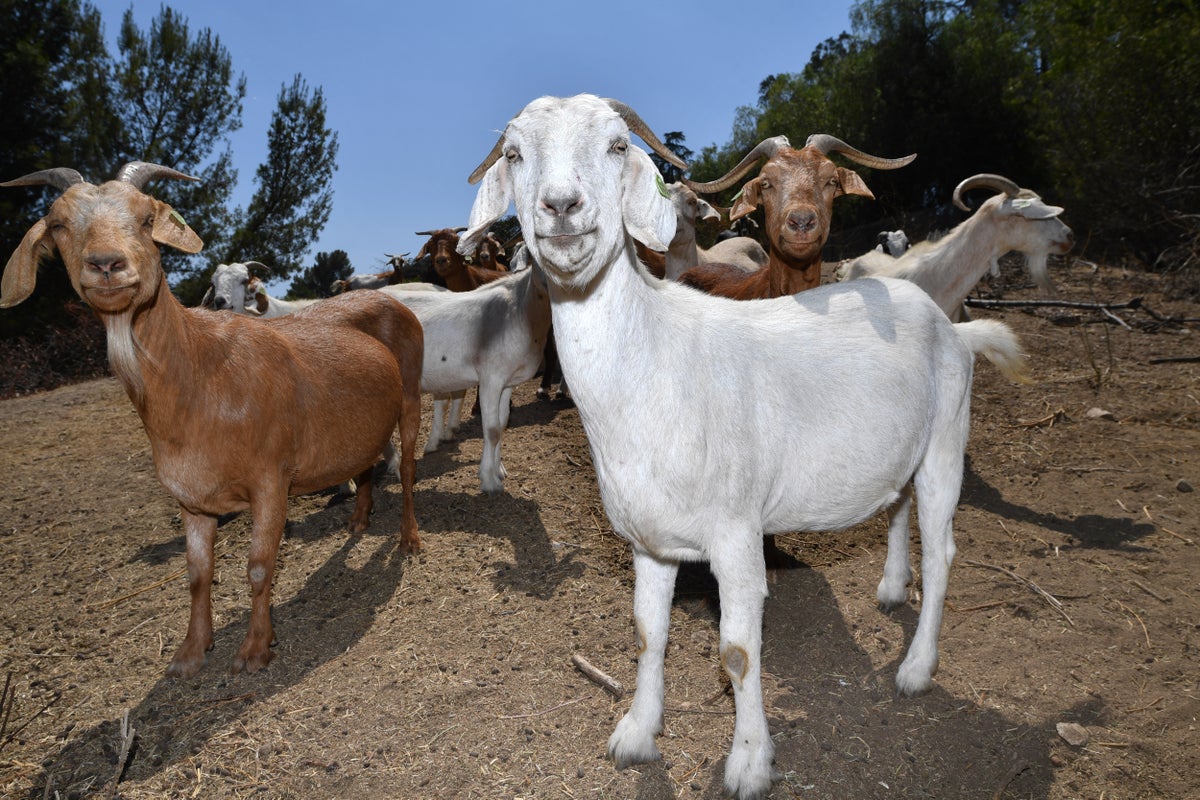
Wildfire mitigation in high-density urban-wildland interfaces requires a continuous balance between energy expenditure, terrain accessibility, and environmental compliance. Traditional mechanical clearing relies on heavy machinery, fossil fuels, and manual labor using weed whackers or chainsaws. In steep, unstable topography—such as the hillsides surrounding Universal Studios Hollywood—these conventional methods present severe operational bottlenecks, including high erosion risks, limited physical access for heavy equipment, and substantial carbon emissions.
Targeted grazing replaces mechanical horsepower with biological consumption. By deploying herds of ruminants to manage fine fuels, large-scale entertainment and real estate operations convert an environmental liability into a self-sustaining management loop. Deconstructing this model reveals three operational pillars: fuel load reduction kinetics, mechanical replacement economics, and environmental externality mitigation.
The Kinetics of Fuel Reduction
Wildfire propagation is governed by fuel continuity, moisture content, and surface area-to-volume ratios. Fine fuels—dead grasses, invasive weeds, and low-lying brush measuring less than a quarter-inch in diameter—act as the primary ignition vectors and carry flames rapidly across a landscape.
Goats function as specialized browsers rather than grazers. Their metabolic preference targets woody plants, briars, and ladder fuels—vegetation that bridges ground-level fire to upper tree canopies. Unlike mechanical mowing, which leaves shredded biomass on the ground to dry out and re-enter the fuel bed (mastication), biological ingestion removes the material entirely from the immediate surface zone.
The mechanics of this process operate through selective consumption. A herd of several hundred goats processes hundreds of pounds of dry matter daily. Because goats possess a multi-chambered stomach designed to break down tough plant fibers and weed seeds, the ingested material is digested to a degree that typically renders seeds non-viable, preventing immediate re-seeding of invasive species.
Comparative Cost Functions
Evaluating the economic efficiency of biological clearing versus mechanical intervention requires examining total cost of ownership (TCO) variables across complex terrain.
- Topographical Friction: Heavy machinery cannot operate safely on slopes exceeding 30 degrees without risk of rollover or severe topsoil disruption. Human crews on steep hillsides require specialized safety harnesses, slow-speed maneuverability, and high hourly labor rates. Goats navigate vertical gradients effortlessly, eliminating the need for specialized slope-cutting infrastructure.
- Emissions and Regulatory Compliance: Operating internal combustion engines in high-risk fire zones during dry seasons triggers strict regulatory oversight, spark-arrestor mandates, and potential liability if equipment strikes a rock and throws a spark. Biological deployment bypasses these operational restrictions completely.
- Disposal Overhead: Mechanical clearing generates cut biomass that must be raked, bagged, hauled, and dumped. Goats metabolize the output on site, converting it into compacted organic fertilizer that integrates into the soil structure without disposal fees.
The primary limitation of biological deployment is speed and precision. Goats do not leave a manicured, uniform finish; they create irregular clearings based on palatability and herd density. Consequently, high-visibility guest areas requiring pristine aesthetic standards still demand manual finishing touches.
Soil Mechanics and Ecological Integration
Heavy tracked vehicles compact soil, destroying macro-porosity and increasing runoff velocity during seasonal rains. This compaction accelerates erosion on hillside properties.
Goats exert minimal ground pressure. Their cloven hooves create micro-indentations in the soil matrix. When seasonal precipitation occurs, these small depressions function as natural water retention basins, trapping moisture and sinking wind-blown or broadcasted seeds into the earth. This biological tilling encourages native root systems to establish over time, gradually replacing flammable invasive annuals with more resilient perennial species.
Security and herd management introduce their own operational overhead. Protection protocols require continuous perimeter control using portable electric fencing, alongside livestock guardian dogs stationed with the herd to deter predators across active backlot environments. Transport logistics demand specialized multi-level livestock trailers and experienced animal husbandry personnel capable of monitoring herd health and nutrition daily.
Deploy seasonal stocking density algorithms matched precisely to local precipitation curves. Calculate peak herbaceous growth rates in early spring, deploy high-density herds to intercept biomass accumulation before moisture levels drop to zero, and rotate grazing perimeters dynamically to maintain optimal residual fuel heights without stripping root systems permanently bare.