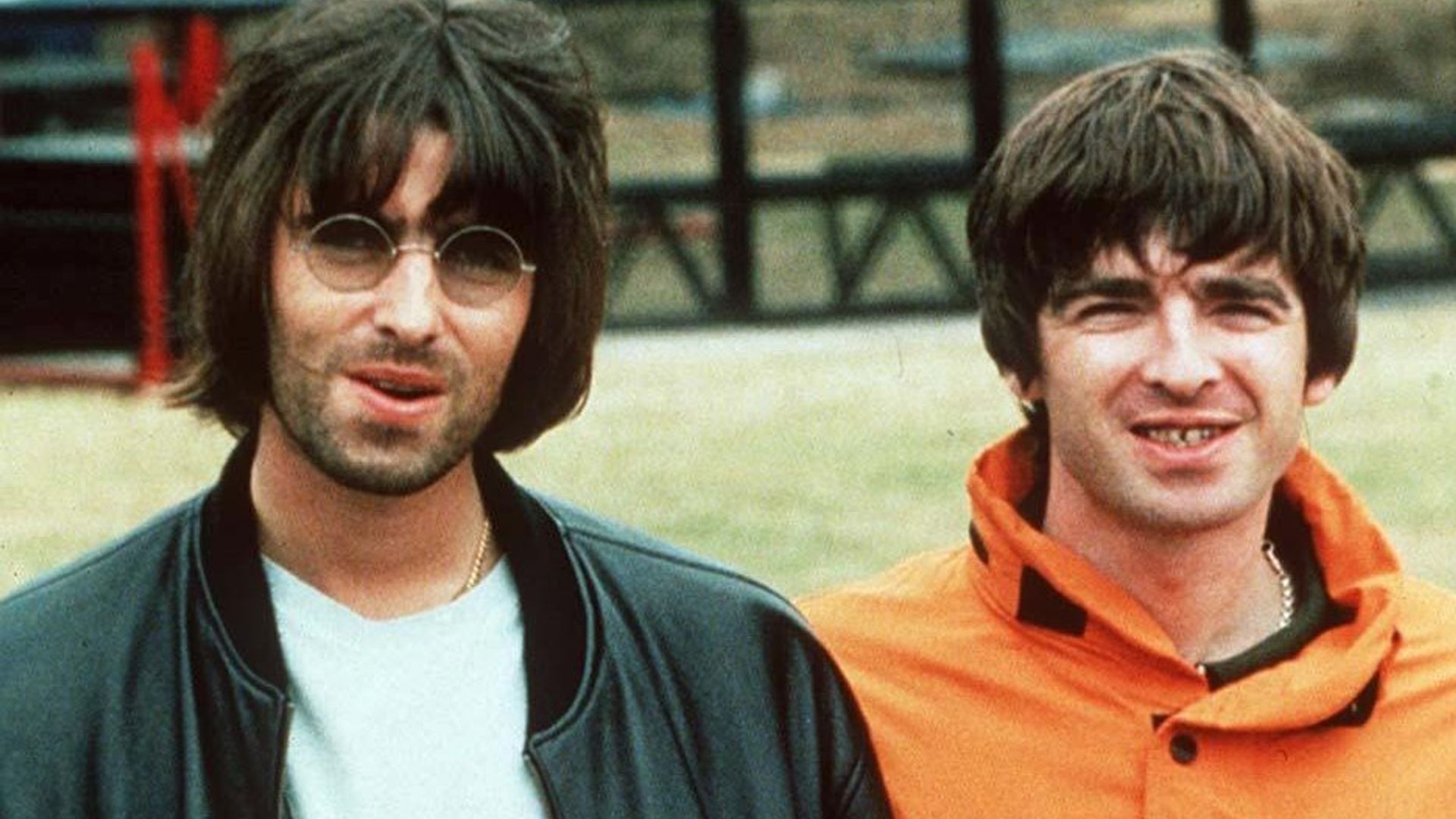
In August 1996, the rock band Oasis performed two consecutive nights at Knebworth House, drawing a cumulative audience of 250,000 people. Behind the cultural mythology of the event lies a distinct economic and structural anomaly. Over 2.5 million ticket applications were processed, representing roughly five percent of the total population of the United Kingdom at the time. This ratio of unfulfilled demand to available inventory exposes the underlying mechanics of mid-1990s media consumption, scarcity economics, and the unique concentration of cultural attention before market fragmentation scaled exponentially through the internet.
Evaluating the Knebworth engagement requires stripping away nostalgic narratives and analyzing the core variables that created a temporary monopoly on youth culture. Three structural pillars explain how a band with only two studio albums achieved attendance metrics typically reserved for multi-act festivals or national infrastructure events.
The Scarcity Multiplier and Distribution Asymmetry
The primary driver of the Knebworth phenomenon was a severe supply-demand imbalance engineered through deliberate operational restraint. In contemporary event management, dynamic pricing and multi-week residency models allow promoters to capture excess market surplus. In 1996, ticketing infrastructure lacked digital distribution sophistication. Physical postal applications and phone booking lines served as structural bottlenecks that magnified perceived scarcity.
When 2.5 million individuals applied for tickets, the market signaled that capacity could have theoretically sustained an extended run of up to twenty consecutive nights. Management rejected this expansion vector. By limiting the engagement to a strict two-night weekend window, the band preserved the exclusivity of the asset.
Spreading the performances across twenty dates would have diluted the collective effervescence, inviting fatigue and diminishing the critical sense of temporal urgency. The absolute constraint on supply transformed attendance from a standard commercial transaction into a rare social credential.
The Macroeconomic Context of Cultural Monoculture
The scale of Knebworth was structurally supported by the media ecosystem of the pre-broadband era. In 1996, audio-visual consumption was channeled through a limited number of gatekeepers: national print publications, terrestrial radio stations, and linear television programs.
This bottlenecked ecosystem concentrated consumer attention into a single, unified cultural narrative. When an artist captured the mainstream press cycle, consumer fragmentation was low. Alternative entertainment options existed, but they lacked the distribution velocity to compete with the state-backed and tabloid-amplified rivalry of the Britpop movement.
Oasis occupied a position at the apex of this centralized attention economy. The band synthesized working-class accessibility with stadium-scale ambition, acting as a focal point for national identity during a post-recession recovery period in the UK. The audience was not merely purchasing access to a musical performance; they were participating in a synchronized national ritual. In a fragmented digital media environment, replicating this baseline of unified attention is mathematically improbable, as consumer cohorts distribute across thousands of niche micro-genres.
Operational Architecture and Festival Economics
The physical execution of Knebworth departed from traditional single-artist headliner models. Promoters constructed a comprehensive ecosystem by curating a supporting lineup that functioned as an independent festival tier. Acts such as The Prodigy, The Chemical Brothers, Manic Street Preachers, and The Charlatans drew distinct sub-factions of alternative youth culture into the same venue.
This integration strategy mitigated the risk profile of a massive outdoor gig. By absorbing diverse audiences early in the day, the event captured economic value across multiple demographic segments before the primary headliner took the stage.
However, this structural design introduced logistical friction. The concentration of 125,000 attendees per night overwhelmed regional transport infrastructure, creating severe supply chain bottlenecks in ingress and egress. The resulting transit gridlock highlighted the physical limitations of rural stately homes acting as temporary megacity-scale venues. The operational success of the music contrasted with the friction of the physical infrastructure, proving that the event scaled faster than the local logistical framework could support.
The Limits of Unbounded Growth
Despite the magnitude of the achievement, Knebworth marked the terminal boundary of an unsustainable trajectory. The internal chemistry of the band was subjected to extreme operational pressure. When an organization scales too rapidly without institutional buffers, internal friction points are magnified.
The relationship between the core songwriters and performers deteriorated under the weight of constant media scrutiny and the immense financial stakes of their commercial peak. Scarcity economics can elevate a brand rapidly, but it accelerates burnout when internal governance mechanisms are absent. The band's inability to maintain a stable touring scale in subsequent years demonstrates that hyper-accelerated cultural peaks often precede structural contraction.
To capitalize on high-demand cultural assets without triggering systemic collapse, promoters and managers must balance artificial scarcity with scalable delivery models. When an asset reaches the threshold where demand outstrips supply by a factor of ten, extending inventory through synchronized multi-city hubs or controlled digital broadcasts protects brand equity while capturing uncaptured economic surplus. The strategic imperative is to monetize the emotional resonance of the peak without fracturing the operational core that produced it.