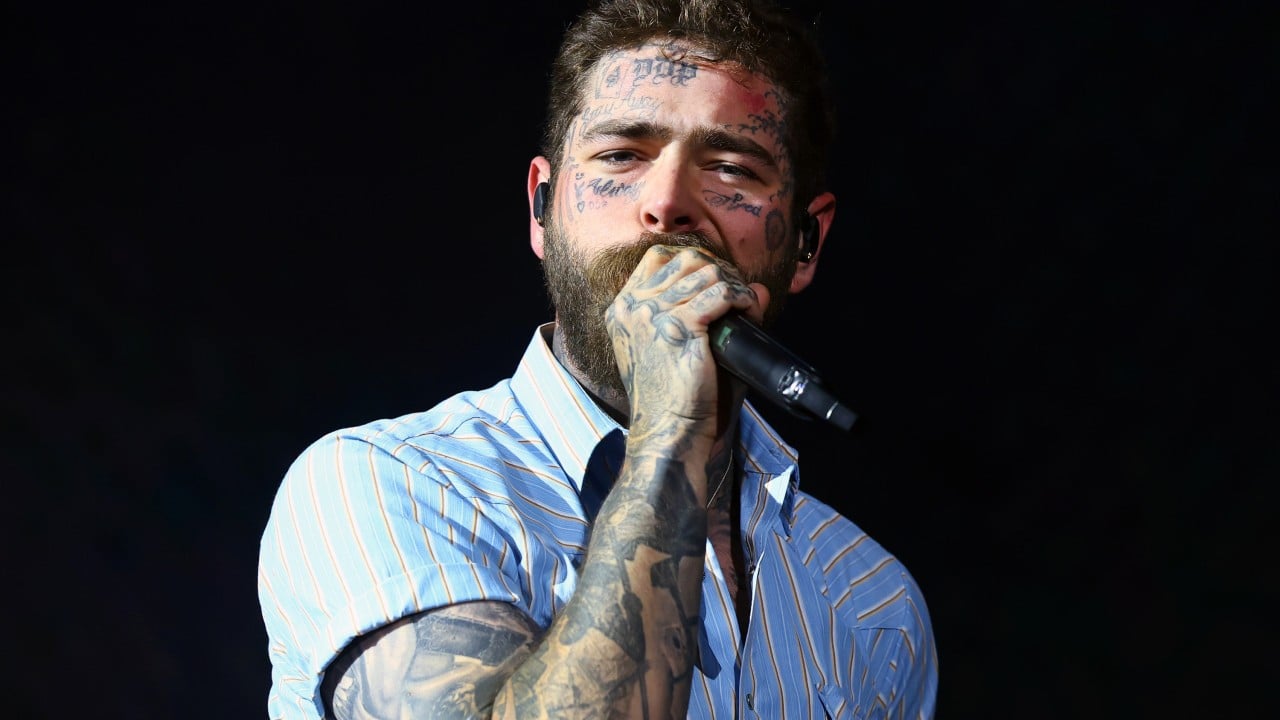
Public polarization within modern entertainment has transformed from an ideological byproduct into a predictable economic variable. When artist Jelly Roll addressed fans threatening a boycott over comedian-style interactions or political humor, the immediate cultural commentary focused heavily on personal defiance and identity politics. Observers framed the incident through a binary lens of loyalty versus offense, missing the underlying market mechanics governing audience retention in the digital era. This interaction represents a distinct stress test of brand elasticity, audience fragmentation, and the transactional nature of modern fandom.
The Mechanics of Brand Elasticity in Entertainment
Commercial resilience in the music industry relies heavily on brand elasticity, which measures how much pricing or ideological pressure a consumer base can endure before substitution occurs. Artists operating within niche genres or hyper-targeted subcultures typically exhibit low elasticity; minor alienating events trigger immediate consumer churn because alternative options are abundant. Conversely, artists occupying crossover spaces—bridging distinct demographics such as country, rock, and mainstream pop—frequently build high elasticity through diversified revenue streams and emotionally intensive parasocial bonds.
Jelly Roll operates within a high-elasticity framework. His core demographic is built on narratives of redemption, personal struggle, and radical authenticity. When an artist positions their commercial value on unvarnished personal history rather than manufactured perfection, ideological friction functions differently than it does for traditional pop acts. A standard pop artist risks alienating corporate sponsors and casual listeners when navigating political or cultural controversies because their primary utility is frictionless entertainment. An authenticity-driven artist derives value precisely from perceived unpredictability and defiance of institutional norms.
The threat of a consumer boycott assumes a unified buyer base with uniform purchasing motivations. In reality, modern entertainment markets are intensely fragmented. The economic architecture relies on asymmetric engagement: a small percentage of hyper-engaged super-fans generate a disproportionate share of touring revenue, merchandise sales, and digital streaming volume. Casual consumers, who are more susceptible to temporary outrage cycles, contribute lower lifetime value. Therefore, telling detractors to proceed with a boycott is not an emotional outburst; it is a calculated risk assessment that the lifetime value of core supporters outweighs the transient churn of marginal listeners.
The Asymmetry of Outrage Cycles
Digital platforms incentivize outrage through algorithmic amplification, creating an illusion of consensus that rarely translates into macro-economic behavior. When a faction of an audience threatens economic retaliation, the public relations response typically defaults to risk mitigation, apologies, or strategic ambiguity. Defiance disrupts this standard script, shifting the cost-benefit analysis for both the creator and the consumer.
Content consumers operate under a personal utility function where the psychological cost of abandoning an artist must outweigh the utility derived from their catalog. For outraged factions, the utility of moral consistency often conflicts with the friction of changing listening habits. Streaming services have effectively reduced the switching cost of music consumption to near zero, yet the emotional switching cost remains high for fans invested in an artist's personal narrative.
The boycott threat fails when the offending statement or action aligns with the pre-existing psychological contract between the artist and their core consumer. If fans view the artist as an anti-establishment figure, instances of public friction reinforce rather than damage the brand positioning. The controversy ceases to be a liability and becomes an authentic data point confirming the artist's established brand identity.
Audience Segmentation and Revenue Diversification
Evaluating the impact of consumer revolts requires looking past aggregate streaming numbers to examine the underlying revenue mix. Modern touring economics depend heavily on premium ticket pricing, VIP packages, and festival appearances. These segments are driven by high-intent consumers whose purchasing decisions are insulated from internet-driven controversies.
The division of an artist's audience into distinct tiers dictates their vulnerability to boycotts:
- Tier One features the core demographic, characterized by high emotional investment, multi-channel engagement, and inelastic demand for live events and merchandise.
- Tier Two comprises passive listeners, whose engagement is mediated through algorithmic playlists and radio play, exhibiting high elasticity and immediate substitution risk upon controversy.
- Tier Three encompasses cultural spectators and commentators, who engage purely through the secondary market of social media discourse without contributing direct revenue.
Boycott threats predominantly originate within Tier Three and the margins of Tier Two. Because these segments generate minimal direct revenue relative to live touring infrastructure and direct-to-consumer merchandise sales, alienating them carries a negligible opportunity cost. The financial penalty of the boycott is often neutralized by the simultaneous consolidation of loyalty within Tier One. Controversy acts as a filtering mechanism, accelerating the departure of marginal listeners while deepening the financial commitment of core supporters.
Strategic Calculus for Creator Survival
Navigating ideological pressure in contemporary media requires moving beyond reactive public relations toward proactive portfolio management. Creators who attempt to appease all demographic segments simultaneously typically dilute their brand value, rendering themselves interchangeable.
The optimal operational response to audience fragmentation involves identifying the primary value driver of the enterprise. If revenue is concentrated in direct fan monetization and live performance, institutional approval and broad-based consensus are secondary assets. Protecting the core asset—authentic connection with the primary consumer base—justifies the calculated sacrifice of peripheral market share.
Deploy capital into direct-to-consumer infrastructure, bypassing traditional gatekeepers who penalize ideological friction. Prioritize the consolidation of high-value fan communities where engagement metrics reflect genuine economic output rather than transient social media sentiment. Treat public alienation not as a crisis of brand health, but as a natural clearing price for maintaining differentiation in a saturated market.