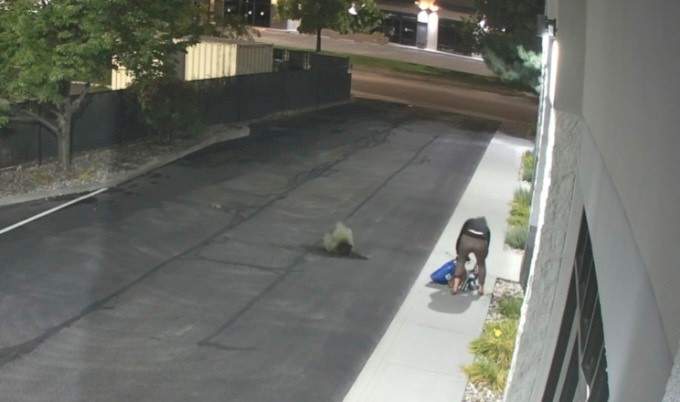
Walk down any downtown street in Kelowna on a weekday morning and you will hear a familiar frustration. Shop owners aren't just talking about supply chain costs or inflation anymore. They are talking about shattered glass, broken storefront windows, repeated thefts, and an escalating sense of lawlessness that is driving them to the edge.
When crime and social disorder dominate municipal discussions, politicians love to trade soundbites. But for local merchants dealing with the daily reality of unmanaged street disorder, the political theatre offers little comfort. Public safety has transformed from a standard campaign talking point into an existential crisis for the small businesses that give the Okanagan city its economic pulse. Read more on a related topic: this related article.
The Ground Reality for Local Merchants
The numbers tell only part of the story. Property crime, vandalism, and aggressive loitering have created an environment where store operators spend the first hour of every shift cleaning up messes instead of serving customers.
Take the recent local municipal debates, where candidates clashed fiercely over how to handle urban crime. Incumbents and challengers alike pointed fingers at each other's voting records regarding police funding, bylaw officer expansion, and municipal budgets. Yet, while the candidates debate strategy, business owners are left locking their doors mid-day just to feel safe inside their own shops. More reporting by Reuters highlights similar perspectives on the subject.
The tension highlights a deep fracture in how leadership views the crisis. On one side, some officials argue that throwing money at more enforcement is the only immediate fix. Others caution that raw headcounts in policing matter less than strategic deployment and addressing root socio-economic failures.
Where the Mayoral Candidates Stand on Enforcement
The debate over public safety usually splits into two distinct camps: raw deterrence versus holistic support systems.
Mayoral contenders have found themselves under intense pressure from business associations to take a hard line. Critics of current policies point out that visible drug use, unmanaged encampments, and repeated property damage create an intimidating atmosphere that scares away tourists and local shoppers alike. When customers feel unsafe walking down Leon Avenue or Pandosy Street, retail sales drop immediately.
However, community advocates push back against purely punitive measures. They argue that cracking down on visible disorder without expanding accessible housing, mental health resources, and addiction treatment merely displaces the problem to another neighborhood.
This creates a brutal policy paradox. Business owners demand immediate protection for their private property, while support workers stress that heavy-handed policing alone cannot arrest its way out of a public health crisis.
Beyond the Rhetoric: What Actually Works?
If Kelowna wants to move past endless political bickering, city hall needs to adopt a framework that bridges the gap between commercial survival and compassionate social policy.
First, municipal leaders must streamline communication channels between business owners and downtown bylaw enforcement. Too often, merchants feel like calling for help results in paperwork rather than a rapid response. Faster response times for repeat commercial break-ins and property vandalism are non-negotiable if local shops are going to survive another season.
Second, strategic resource allocation has to replace broad political promises. Adding officers is only effective if they are actively walking the beat, engaging with business owners, and building trust within commercial districts.
Finally, civic leaders need to stop treating public safety and social support as mutually exclusive goals. Protecting local enterprises from unmanaged disorder does not mean ignoring vulnerable populations; it means demanding accountability from upper levels of government to fund proper treatment and housing infrastructure so that small businesses are no longer forced to bear the brunt of a societal breakdown.
The tolerance of Kelowna's business community has run out. Whoever holds the keys to City Hall must realize that vibrant local commerce cannot exist on streets where owners live in fear of their next window getting smashed.