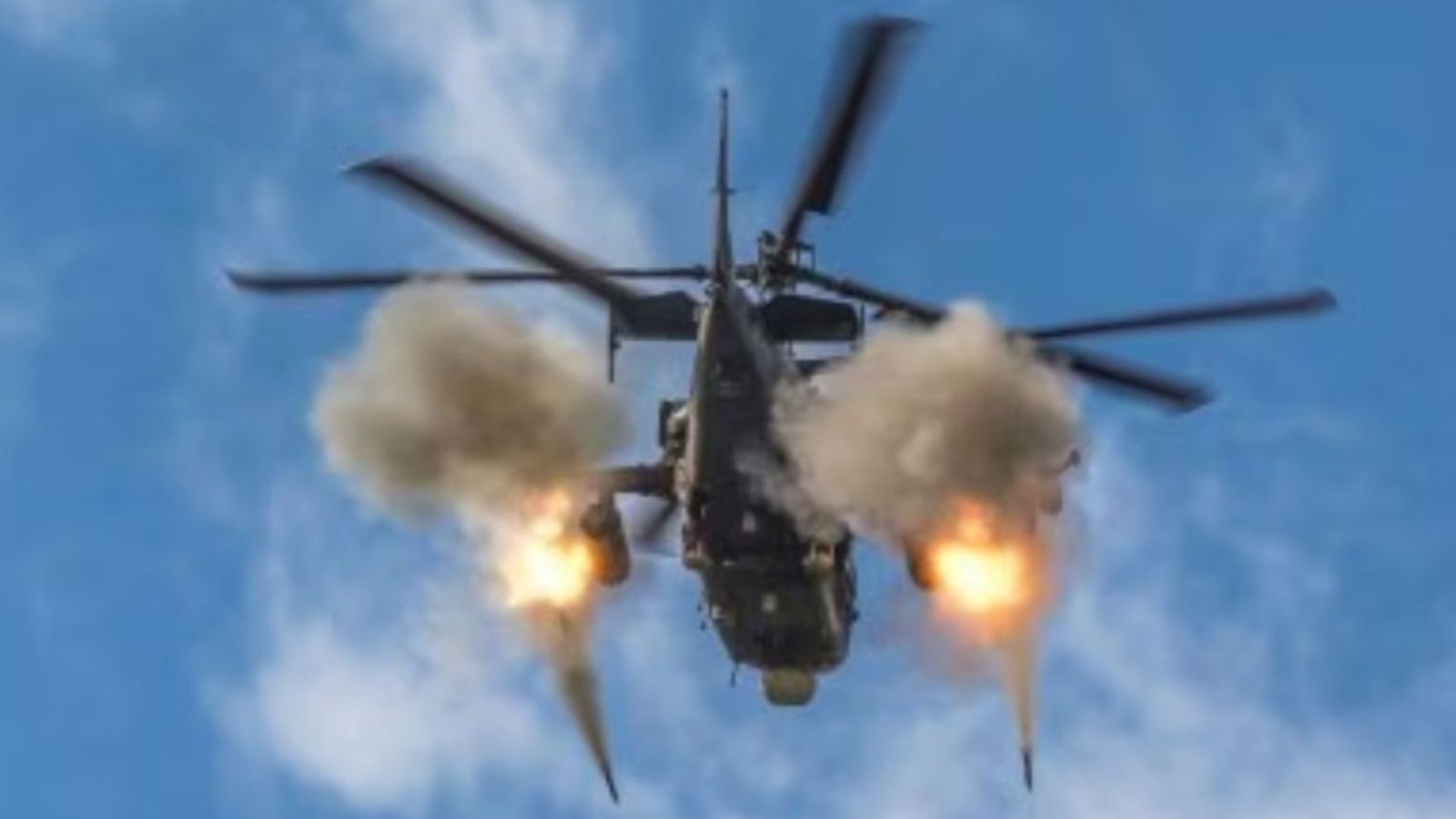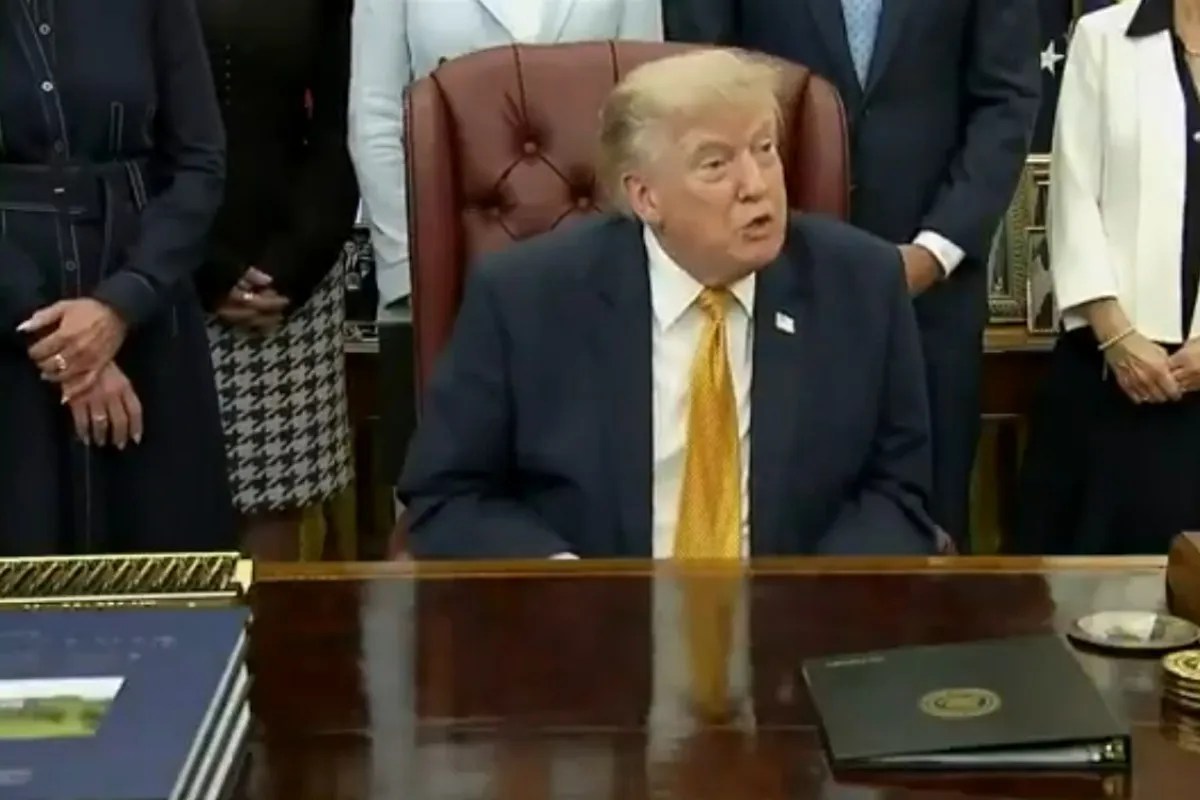
Every time Washington starts hyperventilating about a fresh final warning coming out of Mar-a-Lago, the media stampedes. Analysts on cable news dust off their tired maps, talk up carrier strike groups, and breathless headlines scream that Tehran is about to face the ultimate reckoning. It is a predictable cycle of geopolitical theater designed to massage egos and move ad units.
And it is entirely detached from reality.
Let us dismantle the lazy consensus. The common narrative treats presidential ultimatums as mechanical switches. Threaten hard enough, choke off enough oil revenue with sanctions, and the regime in Tehran will either fold like a cheap card table or implode from within. I have watched foreign policy pundits peddle this exact fantasy for decades. They look at statecraft through a Hollywood lens, expecting dramatic turning points where a single speech alters the calculus of a multi-century civilization.
Real power does not work that way.
The Arithmetic of Sanctions Fatigue
To understand why these final warnings carry zero structural weight, look at the math of maximum pressure. When a government has already survived four decades of economic warfare, currency collapse, and internal riots, a new deadline is just background noise. Tehran adjusted its plumbing long ago. They route oil through phantom tanker fleets under dark flags, settle trades in non-dollar currencies, and rely on a subterranean trade network with Beijing that makes western embargoes look like leaky buckets.
When you threaten a regime that has already hit rock bottom economically, you strip yourself of leverage. You cannot threaten to starve a country that has already restructured its entire economy to survive on scraps. The threat only works if the target fears losing what they have. If they have nothing left to lose in the global financial system, your ultimatum is just hot air.
The Domestic Diversion Machine
Why do these threats persist if they keep failing? Because ultimatums are domestic political instruments, not foreign policy tools.
When a leader issues a dramatic final warning, the target audience is not sitting in the Supreme Leader's compound. The audience is domestic. It projects strength, signals toughness to a base that loves a heavy-handed posture, and crowds out bad news cycles at home. It is a classic misdirection play. You draw a red line in the sand because drawing lines costs nothing, while actually executing a coherent, long-term strategy requires political capital and sustained attention spans that modern administrations simply do not possess.
I have sat in briefings where career diplomats quietly shake their heads at these public declarations. They know that diplomacy requires quiet, grinding, unglamorous back-channels. The moment you turn statecraft into a public reality television episode, you box your opponent into a corner. No sovereign state can back down from a publicly broadcast threat without looking weak to its own hardliners. By screaming your demands from the rooftops, you guarantee that compliance becomes politically impossible for the other side.
The Myth of the Quick Collapse
Another recurring delusion in these crisis reports is the belief that internal regime change is just one more push away. We hear that the Iranian street is ready to boil over, that youth-led protests are about to sweep the mullahs into the dustbin of history.
This view ignores the brutal physics of modern authoritarian survival. Security apparatuses do not crumble because people chant slogans. They crumble when the security forces stop getting paid or decide their interests align with the mob. Neither condition is met in Iran. The Islamic Revolutionary Guard Corps is not just a military branch; it is a corporate conglomerate holding a massive stake in the national economy. They have a vested, financial interest in keeping the lights on, even if the building is burning down.
When foreign actors issue ultimatums promising liberation or sudden collapse, they actually throw a lifeline to the regime. Nothing unites a fractured domestic population faster than an external bully making menacing noises. It allows the authorities to frame every internal grievance, every economic failure, and every cry for basic freedoms as foreign subversion. You do not weaken a dictator by giving him a foreign enemy to rail against. You harden his grip.
What Actually Happens Next
So ignore the deadlines. Ignore the countdown clocks on news networks.
The real game is played in the grey zone. It is played through cyber operations that quietly disrupt industrial infrastructure, covert sabotage that delays nuclear centrifuges by months, and slow-burn intelligence operations that never make the front page. That world does not run on theatrical ultimatums or final warnings. It runs on patience, steady pressure, and the quiet acceptance that you cannot tweet an ancient nation out of existence.
Stop buying the script. The next time you see a headline warning that time is running out, remember that the only thing expiring is the audience's attention span.