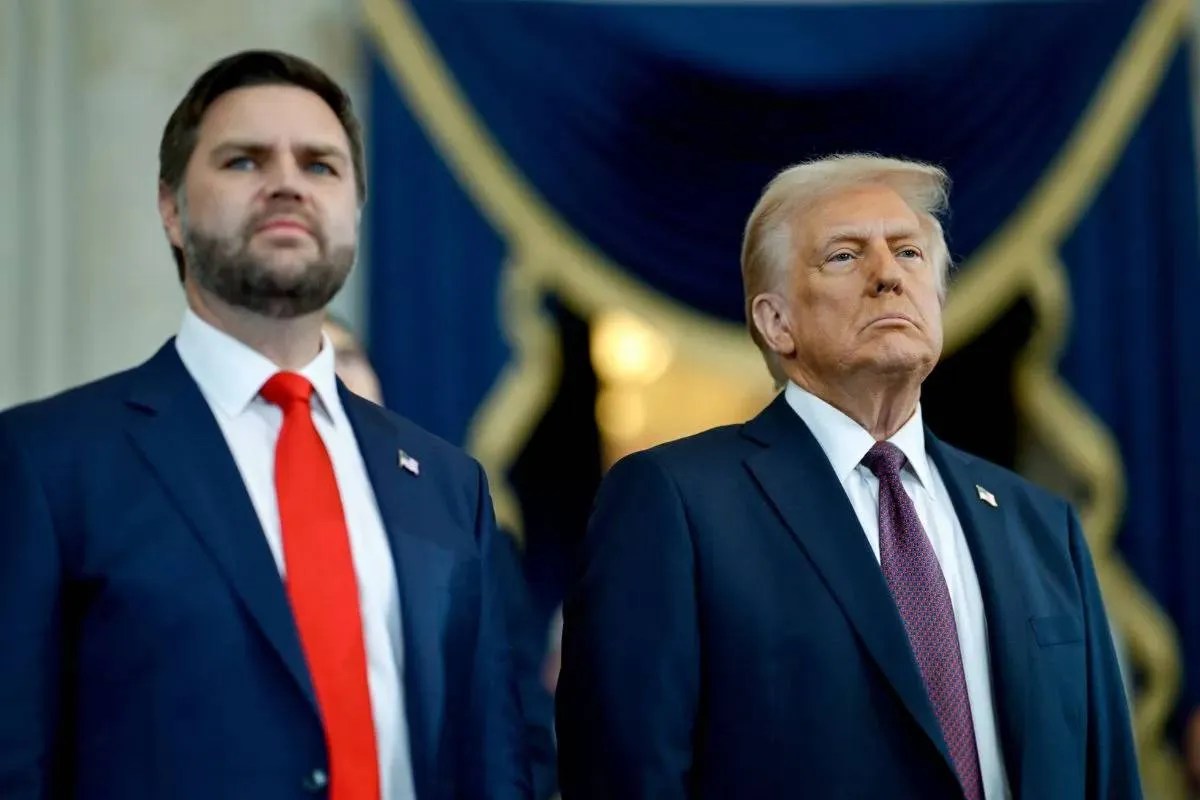
Donald Trump just made a massive call that’s sending ripples through the diplomatic world. He’s officially blocked Vice President-elect JD Vance from traveling to Pakistan. This isn't just a minor scheduling change. It’s a deliberate strategic pivot that changes how we look at upcoming US-Iran talks. Many expected Pakistan to be the neutral ground for these high-stakes negotiations, but Trump’s team is signaling a different path.
Trump knows how the game is played. He isn't interested in traditional diplomatic optics that don't yield results. By pulling Vance from the Pakistan trip, he’s basically saying that the old way of doing business in South Asia is over. He’s prioritizing directness over regional intermediaries.
The Real Reason Behind the Pakistan Cancellation
Trump's explanation is straightforward but loaded with subtext. He pointed to security concerns and the current political instability within Pakistan as the primary drivers. But let’s be real. It’s more than just security. If the US wanted to secure a site in Islamabad, they could. The decision to keep JD Vance home is a message to Tehran and Islamabad.
The Trump administration doesn't want the US-Iran talks to be clouded by Pakistan's own complex relationship with Iran. There’s a long history of "double games" in the region. Trump’s team likely feels that holding talks in Pakistan gives the host country too much leverage over the agenda. They want a clean slate. They want a venue where the focus stays strictly on the nuclear deal and regional de-escalation without side-channel interference.
Security or Strategy
Pakistan is currently dealing with internal friction. Protests, economic shifts, and border tensions with Afghanistan make it a volatile environment. For a high-profile figure like JD Vance, the risk is real. However, the strategic risk of being "managed" by Pakistani intelligence during such a sensitive negotiation is likely what actually killed the trip. Trump prefers control. He prefers clarity.
How This Shifts the US-Iran Talks Dynamic
When you pull the rug out from under a planned meeting location, you reset the clock. Iran was likely counting on the specific diplomatic atmosphere of a neutral Muslim neighbor to soften the US stance. Now, that comfort zone is gone.
These US-Iran talks are meant to address the growing nuclear capabilities of Tehran and the various proxy wars across the Middle East. By shifting the location or at least delaying the engagement, Trump is forcing Iran to rethink its opening hand. It’s a classic negotiation tactic. Make the other side uncomfortable before you even sit down at the table.
The Vance Factor
JD Vance isn't your typical politician. He’s sharp, he’s skeptical of foreign entanglements, and he mirrors Trump’s "America First" instinct perfectly. Sending him to Pakistan would have been a massive signal of trust in that regional corridor. Canceling the trip tells the world that Vance is being saved for a more direct, perhaps more aggressive, diplomatic theater.
Pakistan’s Waning Influence in Washington
For decades, Pakistan was the "frontline state" for US interests in the region. That era is dying. The withdrawal from Afghanistan changed the math. Now, with the focus shifting toward containing Iran and managing the rise of other global powers, Pakistan’s role as a gatekeeper is shrinking.
Trump’s decision confirms this trend. He doesn't see Pakistan as the essential bridge to Iran anymore. He likely sees it as a complication. This reflects a broader shift in Republican foreign policy where traditional alliances are constantly re-evaluated based on immediate national interest. If a country doesn't provide a clear, uncomplicated path to a win, Trump isn't going to spend the political capital to go there.
What Iran Thinks Right Now
Tehran is watching this closely. They know Trump is unpredictable. By canceling the Vance trip, Trump has created a vacuum of information. Iran’s leaders are now left wondering where the talks will happen, who will lead them, and what the new "price" for engagement will be. This uncertainty is exactly where Trump wants them. It prevents Iran from building a cohesive defensive strategy with its regional partners.
The Logistics of a New Venue
If not Pakistan, then where? Doha is always a candidate, but it carries its own baggage. Switzerland is the classic choice, but it might feel too "old school" for a Trump-Vance administration. There’s a non-zero chance they push for a venue that signifies a new era—perhaps somewhere in Eastern Europe or even a direct meeting on US soil if they want to be truly bold.
The logistics of these talks are a nightmare. You have to coordinate massive security details, secure communications, and media access. By scrapping the Pakistan plan, the administration has effectively hit the "reset" button on the entire process. It’s a bold move that could either lead to a more streamlined deal or a complete breakdown before things even start.
Why JD Vance is the Key Player
Don't underestimate Vance’s role in this. He’s being groomed to handle the heavy lifting on foreign policy. Keeping him out of Pakistan keeps his hands clean of any regional messiness that might occur during the transition. It allows him to enter the eventual negotiations with Iran without the "baggage" of having just sat through days of bilateral meetings with Pakistani officials.
Trump wants Vance to be seen as a closer. A fixer. You don't send the closer to do the preliminary site visits in a volatile region. You save him for the room where the actual deal gets signed.
Avoiding the Mistakes of the Past
The previous administration was often criticized for being too predictable. Trump hates being predictable. By canceling this trip, he’s signaling that no previous arrangement is set in stone. This keeps both friends and foes on their toes. It’s an aggressive brand of diplomacy that prioritizes American leverage above all else.
What Happens Next with the Nuclear File
The clock is ticking on Iran’s nuclear program. That’s the real urgency behind these US-Iran talks. Regardless of where the meeting happens, the core issues remain the same:
- Uranium enrichment levels.
- Sanctions relief for the Iranian economy.
- The role of Iranian-backed groups in Lebanon, Yemen, and Iraq.
Trump believes he can get a "better deal" than the JCPOA. He’s going to use every tool in his kit to get it, including public snubs of traditional regional partners like Pakistan.
The move to keep Vance at home is the first major chess move of the second Trump term's foreign policy. It’s loud. It’s clear. It’s unapologetic.
If you're following the region, stop looking at Pakistan for the next big headline. Look toward the direct backchannels between Washington and Tehran. The middleman has been cut out. Now, the real negotiation begins. Keep an eye on the state department's travel advisories and the sudden silence from the transition team—that's where the real news is being made. The era of using regional proxies for American diplomacy is officially on life support.