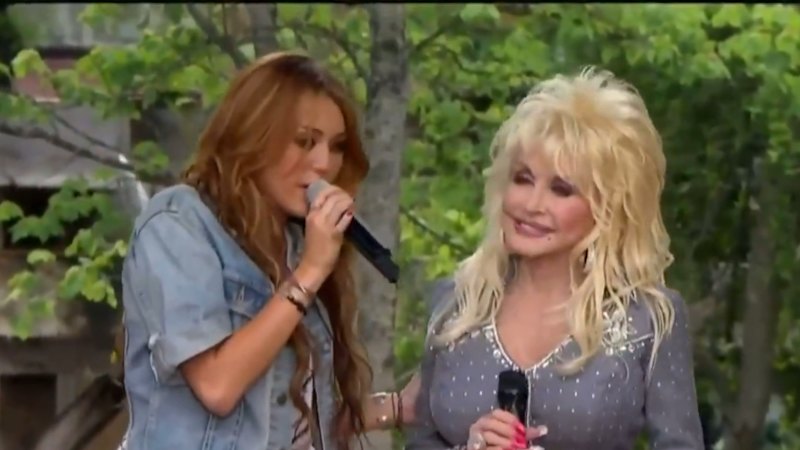
Long before anyone cared about viral clips, Dolly Parton walked onto British television sets and completely disarmed audiences who thought they knew what a country singer looked like. Most people miss the sheer strategic genius behind her television appearances. They see the rhinestones and the quick wit. They miss the razor-sharp mind controlling every single room she walked into.
When you look back at Dolly Parton and her defining runs through the BBC archives—from early 1970s performances on programs like Sing Country to iconic late-night couch chats with Terry Wogan and Michael Parkinson—you realize she was playing a game nobody else understood. She leaned hard into self-deprecating jokes about her appearance precisely because she wanted you to underestimate her songwriting. If you enjoyed this post, you should look at: this related article.
The Acoustic Purity of Jolene and Coat of Many Colours
Let us talk about the music. Strip away the television lighting and the broadcast tape decay, and the core songwriting remains staggering. When Dolly performed "Jolene" or "Coat of Many Colours" on British television during the late 1970s, she didn't rely on massive production tricks.
She stood there with her acoustic guitar, often decorated in rhinestones, and delivered vocal performances that cut right through you. On shows like Parkinson, she explained the pain behind her childhood rags-to-riches memories with a terrifyingly honest composure. For another look on this story, refer to the recent coverage from Wall Street Journal.
- She wrote "I Will Always Love You" and "Jolene" on the exact same afternoon in 1971. Think about that level of creative output.
- Her BBC performances proved she didn't need studio autotune or modern fixes; her live vibrato was rock solid.
- She treated British interviewers with a warm, disarming authenticity that made stiff talk show hosts completely drop their guard.
Turning Late Night Talk Shows Into Masterclasses
Television producers in London loved her because she was unpredictable television gold. When she appeared on Terry Wogan's BBC chat show in March 1983, she gave a masterclass in broadcast charisma. She belted out "9 to 5" and "I Will Always Love You" with an intensity that left the studio audience spellbound.
Most artists crumble under the pressure of international live television. Dolly treated a BBC soundstage like her own living room in Sevierville, Tennessee. She laughed at her own expense before anyone else could, neutralizing critics who tried to pigeonhole her as a novelty act.
Why These Timeless Hits Refuse to Age
The staying power of a track like "9 to 5" isn't an accident. It captures real economic frustration wrapped in an infectious, driving melody. When she brought these anthems across the Atlantic for BBC audiences, British workers responded immediately because the underlying message of exploitation and resilience translates universally.
Look at how she handled duets, too. Whether she was trading verses on pop-crossover tracks or performing traditional Appalachian mountain ballads, she adapted her tone without losing her signature twang. That flexibility is why modern musicians across every genre still study her tape loops.
If you want to understand how a global icon is actually built, stop looking at modern social media metrics. Go straight to the vintage broadcast vaults. Watch how she holds a room with just a three-minute song and a smile that hides a steel backbone.
Grab your favorite vintage live recordings today and listen to the breathing room in her arrangements. Pay attention to how she commands a stage without ever raising her voice. That is what true staying power looks like.