One hundred wins looks pretty on a banner. It feels like momentum until October shows up with a different rulebook.
The Los Angeles Dodgers won 100 games in 2026, took the National League West, got past the Atlanta Braves in the Division Series, and then got swept right out of the National League Championship Series by the Milwaukee Brewers. Four games. Done. No three-peat, no trip back to the World Series, and a whole clubhouse left staring at lockers trying to figure out how a juggernaut ran out of gas so fast.
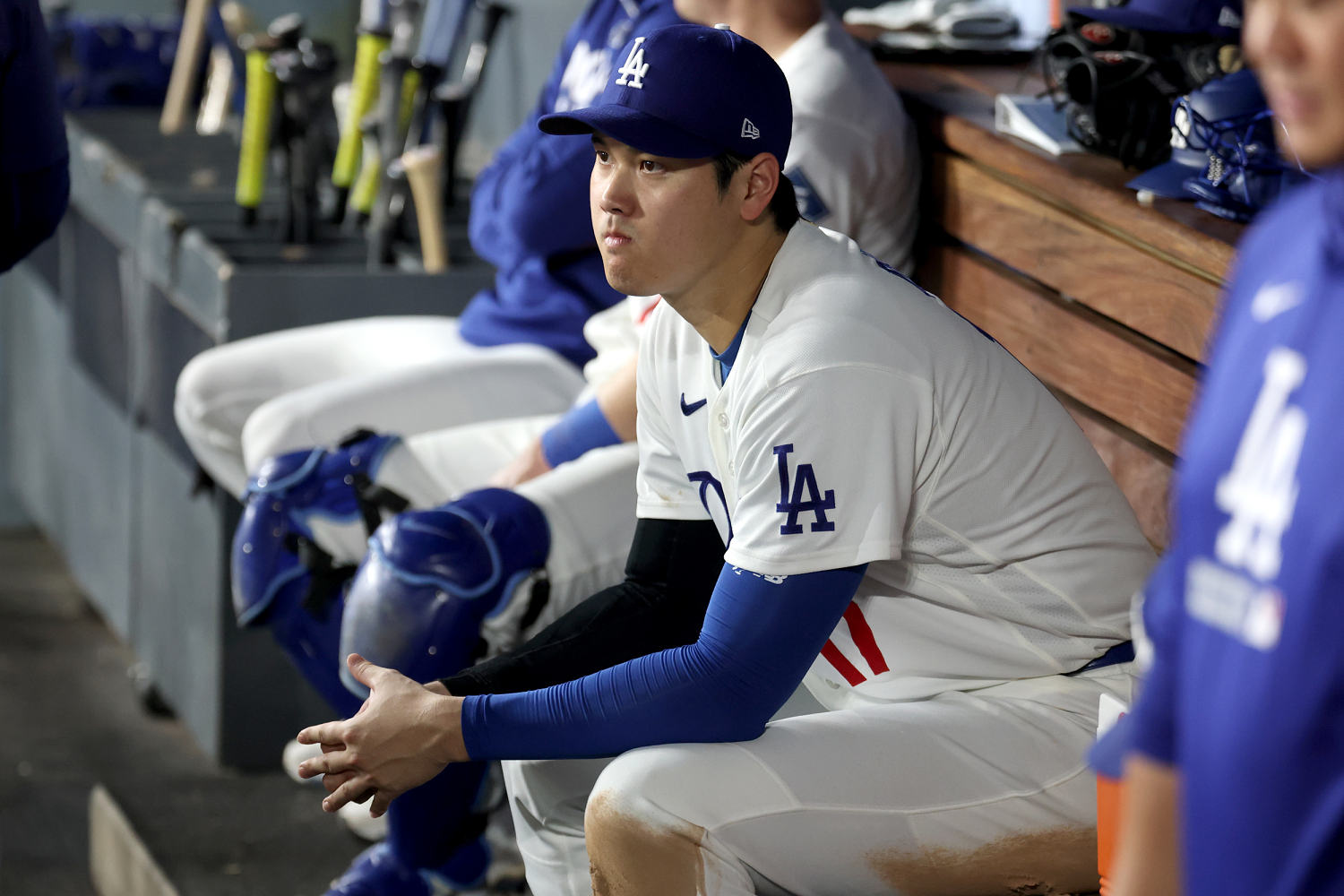
And right at the center of that mystery was Shohei Ohtani.
What Happened to Shohei Ohtani Down the Stretch?
If you watched Ohtani in the first half of 2026, he looked like the same unstoppable force who has carried baseball for years. Between Opening Day and August 17, his quality-of-contact metrics were absurd—a 93.5 mph average exit velocity, a 53.0% hard-hit rate, a 26.2% barrel rate, and a .370 expected weighted on-base average (xwOBA).
Then everything changed.
Starting around August 18, Ohtani's numbers dropped off a cliff. He didn't hit a home run for weeks, battled lingering injuries to his right biceps and left knee, missed time on the injured list, and appeared in only eight regular-season games in September. Worse yet, his knee trouble had already shut him down on the mound back in early July. Over the stretch from August 18 into the postseason, his average exit velocity slipped to 91.1 mph, his barrel rate fell to 15.1%, and his xwOBA sank to .270—well below the .315 league average.
By the time October arrived, Ohtani wasn't swinging like a slugger trying to do damage; he was chasing pitches out of the zone at a 42.9% clip in the early going against Atlanta, up from 30% during the regular season. Manager Dave Roberts even dropped him to fifth in the lineup for Game 3 of the NLDS against left-hander Chris Sale—his lowest spot in a starting lineup since September 23, 2020. Against Milwaukee, the offense went cold in big spots, and Ohtani was later candid about his frustration, admitting the team didn't play well in the playoffs and that his own season hadn't gone the way he wanted.
Look, when your best player is playing banged-up and trying to muscle up on bad pitches, the whole lineup feels heavier. Still, blaming Ohtani alone lets too many other problems off the hook.
Why Did the Dodgers Offense Stall Against Milwaukee?
A sweep rarely comes down to one slump. Against a Brewers team that won 103 regular-season games and rode a lockdown bullpen all the way to the World Series title, the Dodgers couldn't cash in when they actually got traffic on the bases.
Over the four NLCS games, Los Angeles went just 4-for-27 with runners in scoring position. Compare that to the previous two postseasons, when the Dodgers averaged 5.1 runs per game. Against Milwaukee, they averaged only 3.0.
- Big bats went quiet together: It wasn't just Ohtani searching for his swing. Mookie Betts and Freddie Freeman also struggled to carry their usual postseason punch, and catcher Will Smith opened the playoffs mired in a steep slump.
- Execution in tight moments: In Game 1, Los Angeles went 1-for-6 with runners in scoring position, grounded into three double plays, and stranded nine runners in a 2-1 loss.
- Milwaukee's relief wall: Once the Brewers got a lead—even after falling behind three separate times in Game 2—their bullpen slammed the door. In Game 2 alone, four Brewers relievers combined for five consecutive perfect innings.
Baseball is funny like that. You can stack future Hall of Famers in a lineup, yet one bad week with runners in scoring position against a sharp bullpen can end your October before you ever get your rhythm back.
Was Age and Attrition Catching Up to This Core?
Honestly, if you step back from the box scores, the bigger story is physical wear and tear.
Winning back-to-back championships takes a toll. Trying to pull off an NL three-peat—something no National League team has ever done—requires pushing a veteran group through another grueling calendar while everyone else is gunning for you. Look at the ages of the players who built this run: Freddie Freeman at 37, Max Muncy at 36, Mookie Betts at 34, Shohei Ohtani at 32, Will Smith at 31. That's a championship core on the back half of its prime.
And then there's the pitching rotation. On paper, a staff featuring Ohtani, Yoshinobu Yamamoto, Tarik Skubal, Blake Snell, and Tyler Glasnow sounds like baseball royalty. In reality, keeping all five healthy and synced up at the same time never happened. Even in Game 2 of the NLCS, Yamamoto couldn't make it past eight outs—his shortest postseason start—and Milwaukee's hitters kept answering every time Los Angeles scored.
Roberts didn't sugarcoat it after the sweep, noting on Baseball Tonight with Buster Olney that the Brewers felt hungry and driven in a way that stood out against a team chasing history. That doesn't mean the Dodgers lacked effort or pride. It means hunger isn't an unlimited resource when your body hurts and you've already climbed the mountain twice.
How Should Los Angeles Reset Before 2027?
A 100-win season ending in an NLCS sweep isn't a rebuild situation. It's a recalibration.
- Protect Ohtani's workload smarter: Trying to balance two-way demands with full-season intensity wore him down in 2026. If he pitches again in 2027, the Dodgers need a clearer plan on health management, rest, and honesty when something feels off—not a late-summer slide where he's hurt and guessing.
- Inject younger legs and bats: Veterans win big games, sure, but young talent keeps a roster fresh over 162 games. Players like prospect Josue De Paula—who slashed .303/.401/.547 in Double-A Tulsa in 2026—represent the kind of upside that can take pressure off older stars.
- Stop relying on October miracles: Winning the division is great, yet staying sharp against playoff-caliber pitching late in the year matters way more than padding regular-season wins.
If you're a Dodgers fan or following the offseason moves, start with Ohtani's health updates and how the front office maps out his two-way role for 2027. Watch how aggressively Los Angeles balances veteran depth with younger hitters over the winter. Do that, and you'll know right away whether this October was a detour or a warning sign.