You can hold the future in your palm, and it feels like nothing at all.
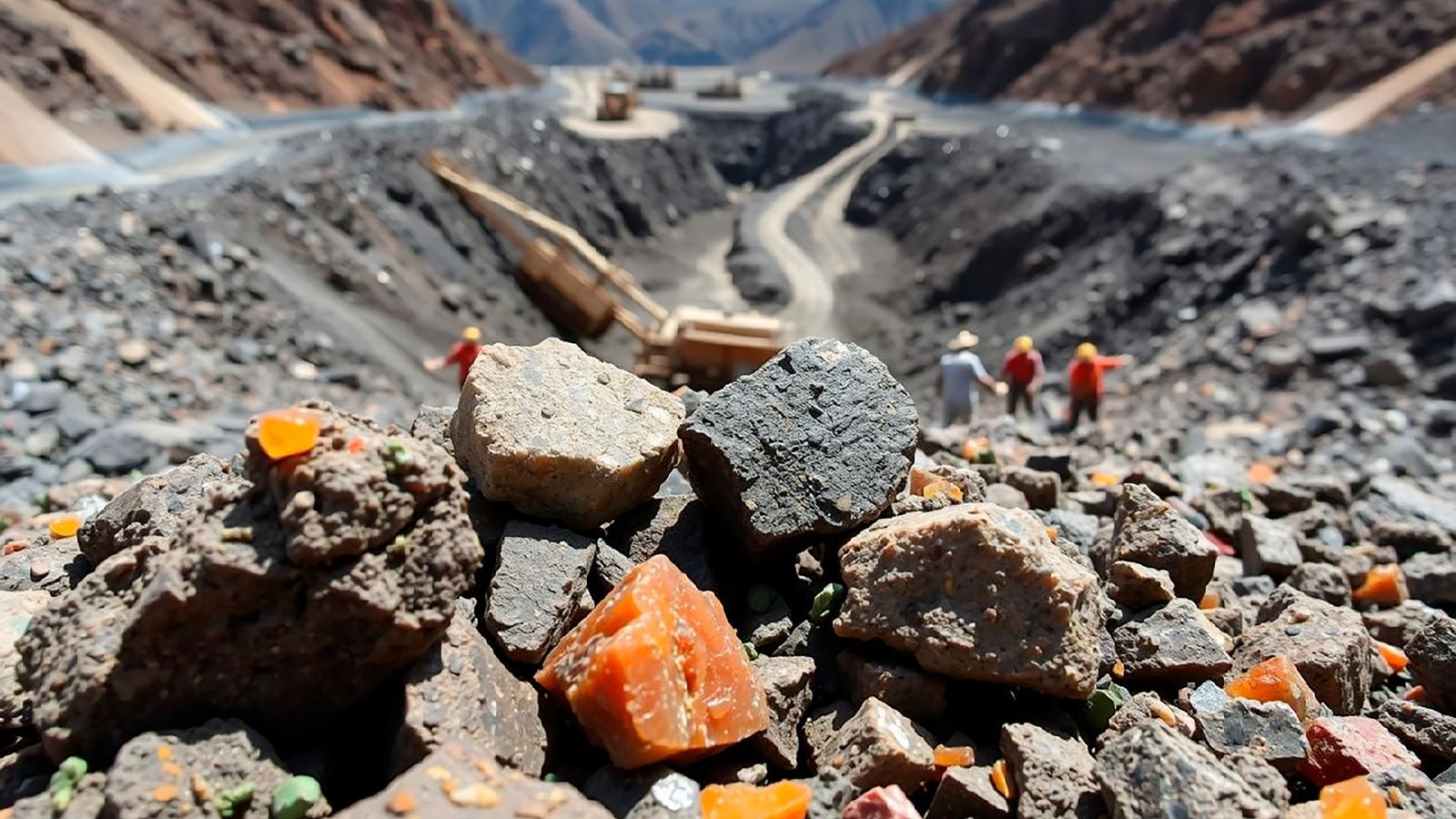
It is a pinch of gray-brown powder, finer than flour, harvested from deep within the crust of the earth. To the uninitiated, it looks like ordinary soil swept from a garage floor. Yet, this dust is the invisible muscle behind the screen in your hand, the hum of the electric vehicle whispering past your window, and the guidance systems keeping satellites locked in orbit. Without it, modern civilization stutters to a halt.
For decades, the global supply of these seventeen metallic elements—known quietly as rare earths—was anchored in a single nation's soil. Monopolies are fragile things, built on a foundation of dependency, and the rest of the world has spent years sweating over the map, wondering what happens if the tap ever gets turned off.
Then came a quiet decree from Malaysia.
Under newly minted rules, the country has allowed its very first commercial export of raw rare earth elements. It is a policy shift that sounds bureaucratic, dry, and entirely forgettable. It is anything but. It marks a fracturing of old certainties and a desperate, necessary scramble to rewrite who holds the keys to the twenty-first century.
Listen to the machinery outside the processing plants in Perak. The low, relentless grinding has a heartbeat of its own.
Imagine standing there, the metallic tang of processing acids sharp in the back of your throat. Workers in heavy boots and dust masks sweep up the residue of a global revolution. For years, Malaysia wrestled with the friction of this industry. The extraction of rare earths often leaves behind radioactive companions—thorium and uranium tailings that demand careful, expensive management. Environmental concerns sparked protests, court battles, and deep public anxiety. Why invite the heavy cost of processing dangerous earth when the backlash is fierce?
The government chose a nuanced middle path. Instead of banning the industry outright, or letting it run wild, they drew strict boundaries. Raw rare earths can now cross borders, but under tight governance, traceability, and stringent environmental safeguards.
This is not just about trade policy. It is about sovereignty.
When a country sits on mineral wealth, it holds a golden ticket, but only if it can figure out how to cash it without burning down its own house. By permitting these initial exports, Malaysia is testing a delicate hypothesis: Can a developing nation supply the hungry tech markets of the world without sacrificing its own environment on the altar of progress?
The stakes are staggering. Western nations, scrambling to untangle their supply chains from geopolitical rivals, are casting wide, anxious nets. They need partners. They need diversification. When a ship leaves a Malaysian port carrying these coveted elements toward international buyers, it is carrying more than cargo. It is carrying an alternative future.
Think about the sheer scale of the transition. Every wind turbine blade requires permanent magnets crafted from neodymium and dysprosium. Every electric motor demands a specific cocktail of metallic elements that resist demagnetization at high speeds. When we talk about a green transition, we are fundamentally talking about mining. We are tearing into the earth to save it.
There is a profound irony here that keeps policy experts awake at night. To build a cleaner, decarbonized world, we must dig deeper, process harder, and navigate complex geopolitical minefields. The old colonial model of extraction—dig it up, ship it away, leave the mess behind—is no longer acceptable. Nor is it economically viable in a world where local communities demand accountability.
When the first shipment of raw rare earths clears customs under the new regulatory framework, it signals a maturity in resource management. It says that economic growth and environmental stewardship do not have to be bitter enemies, even if they spend most days arguing in the hallway.
Consider the engineer in Kuala Lumpur staring at compliance spreadsheets late into the night. Her coffee is cold. Her eyes burn. She is balancing the economic ambitions of a nation against the strict, unforgiving parameters of international environmental law. One miscalculation, one slip in the traceability chain, and an entire industry could face renewed skepticism. Her labor is invisible to the consumer scrolling through social media on a phone powered by these very elements, yet her work dictates whether that phone can even be manufactured tomorrow.
This is how global shifts actually happen. Not with sudden explosions or dramatic treaties signed in grand halls, but in the quiet harmonization of trade codes, environmental audits, and the steady hum of cargo ships moving across dark water.
We are living through an era of realignment. The map of global power is being redrawn, not with ink, but with elements pulled from the deep earth. Every nation with mineral deposits is looking at its own soil with new eyes, calculating the cost of keeping it versus the price of letting it go.
The dust settles on the loading dock. The container doors slam shut, heavy and final. The ship pulls away from the pier, cutting a quiet line through the dark strait, carrying the heavy weight of a lighter future.