The Michigan Department of Health and Human Services wants you to exhale. Following an aggressive summer surge that infected over 12,000 residents with cyclosporiasis and tied back to imported iceberg lettuce, state officials have officially eased their warnings. The emergency advisory is over. Bagged mixes are back on the menu. The panic button has been un-pushed.
Here is the lazy consensus everyone is swallowing: cases are dropping, the contaminated batches have cleared out of supply chains, and normalization can resume.
That narrative is dangerously naive. It mistakes the end of an outbreak wave for the eradication of an architectural flaw in our global food supply.
The Illusion of the Clear Shelf
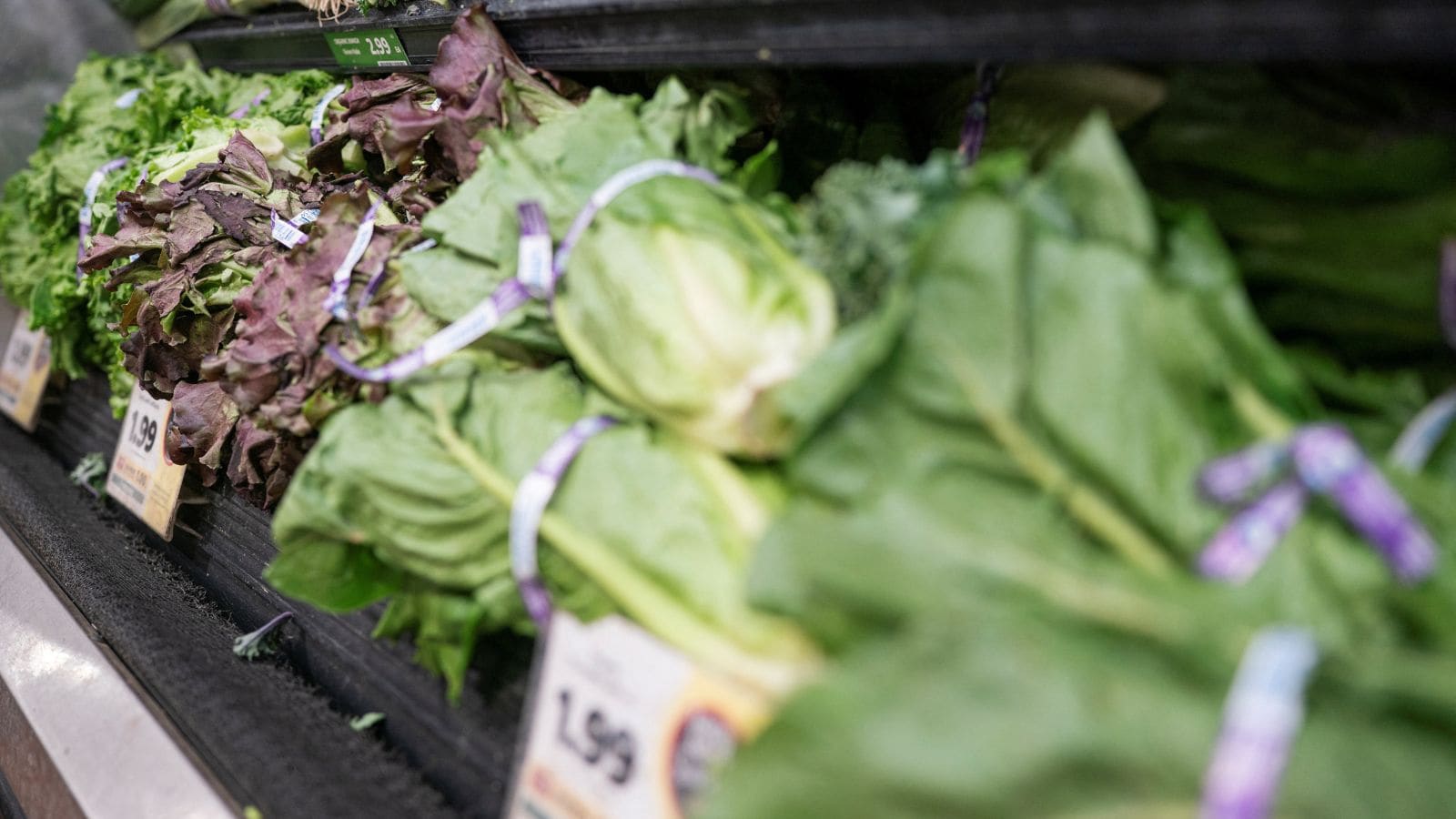
Public health bureaucracy operates on a rear-view mirror model. When contamination metrics slope downward, the machinery of government declares victory because the specific lot numbers of the recalled Mexican iceberg lettuce have rotated out of grocery coolers and commercial kitchens.
This logic assumes that foodborne illness is a series of discrete, isolated accidents. A truck gets contaminated, the lettuce gets traced, a recall happens, people stop eating it, numbers fall, crisis averted.
It is a comforting fantasy. It ignores the structural reality of industrial produce farming.
Cyclospora cayetanensis is not a random act of God. It is a microscopic parasite transmitted via fecal-oral contamination. When you scale up centralized mono-agriculture across international borders, washing raw vegetation in municipal or surface water downstream from agricultural runoff becomes an open invitation for waterborne pathogens.
Telling people that lettuce is safe again just because the curve flattened is like telling motorists that a stretch of highway is safe because the ambulances cleared the wreckage from yesterday's pileup. The road design hasn't changed. The speed limit hasn't changed. Only the immediate casualties have been removed.
The Myth of the Household Rinse
Let us talk about the standard advice handed down by food safety authorities. When panic sets in, officials revert to ritualistic hygiene mantras. Wash your hands. Rinse your greens under running water. Ditch the pre-bagged mixes and buy whole heads instead, peeling off the outer leaves.
Imagine a scenario where a microscopic protozoan oocyst, resilient enough to survive chemical disinfection and routine kitchen rinses, lodges itself in the microscopic crevices of a leaf membrane. No amount of domestic tap water blasting will dislodge a pathogen that treats standard washing like a day at the waterpark.
We have outsourced our risk assessment to an industrial supply chain that rewards low-cost sourcing over biosafety, and we compensate for it by placing the burden of sterilization onto the consumer's kitchen sink. Expecting an exhausted home cook to effectively decontaminate raw agricultural imports with cold water is regulatory gaslighting.
What the Data Actually Tells Us
Look closely at the scale of what just happened. Michigan recorded over 12,400 cases and two deaths during this surge. In a typical historical year, the entire state barely logs a few dozen.
A spike of that magnitude does not represent a minor seasonal blip. It represents a systemic failure of border-crossing quality controls and supplier oversight. When commercial operators delay recalls or fail to catch trace contaminants before millions of servings hit fast-food chains and grocery aisles, the system is broken at the root.
The decline in reported cases does not mean the supply chain got cleaner. It means the specific contaminated shipments from those central Mexican farms were eaten, thrown away, or rotted in the crisper drawer. The underlying vector remains entirely intact for the next warm-weather cycle.
Stop Trusting the Calendar
The prevailing wisdom treats food safety as seasonal—a summer inconvenience that evaporates when the weather cools down. This ignores the globalized nature of our plates. In February, your salad greens come from one hemisphere; in July, another. The geographic shell game changes, but the structural vulnerability of eating raw, unpasteurized leaves farmed in regions with compromised water sanitation infrastructure does not.
If you want to protect your gastrointestinal tract, stop waiting for health departments to give you the all-clear signal based on lagging indicators. Treat raw industrial greens for what they are: a high-risk vector that has never undergone a true kill-step before reaching your fork.
The emergency bulletin is cancelled. The structural hazard remains. Eat accordingly.