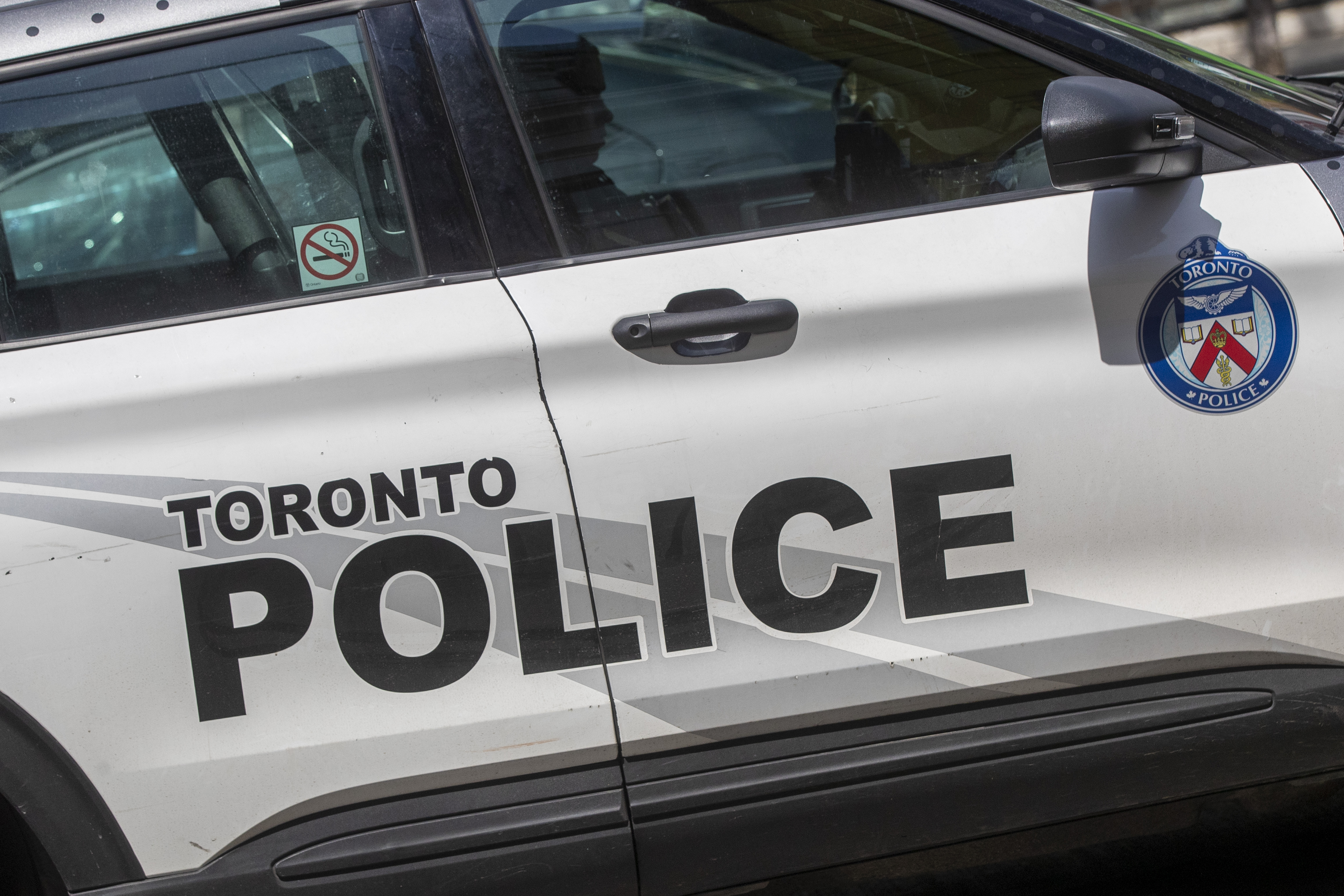
A four-year prison sentence handed to a veteran Toronto drug squad officer signals more than just a localized failure of police oversight. When a plainclothes constable pleads guilty to possession for the purpose of trafficking and breach of trust, the public fallout ripples far beyond the courtroom walls. This is not an isolated lapse in judgment. It is a stark reminder of the systemic vulnerabilities within specialized units that handle high-value illicit commodities.
The conviction proves that the barriers separating law enforcement from the criminal underworld are dangerously porous.
For decades, police departments have leaned heavily on the "bad apple" narrative to maintain public confidence during corruption scandals. By treating criminal behavior within the ranks as an individual moral failure, institutions avoid systemic scrutiny. The reality is far more complex. Specialized drug units operate in environments defined by minimal supervision, immense financial temptation, and a culture of insularity. When these elements align, misconduct is not just possible; it becomes a predictable outcome.
The Mechanics of Specialized Corruption
Drug squads operate differently from regular patrol units. They move in a world of informants, cash, and high-value seizures, frequently working outside the direct view of supervisors. This autonomy is necessary for investigations, but it creates a dangerous lack of accountability.
When an officer decides to cross the line, the transition is rarely abrupt. It begins with small compromises. It might start with skimmed cash from a raid or a small amount of seized narcotics kept for personal use or to pay off an informant off the books. Over time, these minor infractions normalize. The officer rationalizes the behavior, believing that the end justifies the means or that the system owes them for the risks they take daily.
The legal threshold for breach of trust requires a public official to act in a way that deviates from their duty, targeting the very integrity of their office. In drug enforcement, this often manifests as the recycling of seized contraband back into the market. This creates a perverse cycle where law enforcement becomes the supplier, actively fueling the crises they are paid to combat.
The High Cost of the Blue Wall
Police culture emphasizes loyalty above almost all else. This loyalty keeps officers safe in dangerous situations, but it also creates a wall of silence when someone within the ranks turns corrupt.
Signs of misconduct are often visible to peers long before an official internal affairs investigation begins. Sudden changes in lifestyle, erratic behavior, or unorthodox handling of evidence are common red flags. Yet, the social and professional cost of blowing the whistle within a police department remains devastatingly high. Officers who report colleagues face ostracization, career stagnation, and threats to their personal safety.
"The culture of protecting one's own frequently supersedes the duty to protect the public, allowing corruption to fester undetected for years."
This insular environment means that internal accountability mechanisms often fail until external pressures, such as an independent watchdog or a botched operation, force an investigation. By the time a case reaches a guilty plea in a public courtroom, years of institutional credibility have already been eroded.
Institutional Failure of Oversight
Oversight cannot just be reactive. Waiting for an officer to get caught by external agencies or a specialized anti-corruption unit means the system has already failed. True oversight requires continuous, intrusive monitoring of high-risk units.
Hard Accountability Measures
- Randomized Drug Testing: Mandatory, unannounced screenings for all personnel handling controlled substances.
- Rigorous Auditing of Seized Property: Real-time electronic tracking of evidence from the moment of seizure to destruction, reducing the window for theft.
- Strict Rotation Policies: Limiting the time an officer can spend within a specialized drug unit to prevent the formation of compromised networks.
Implementing these measures faces fierce resistance from police unions and traditionalists who argue that strict surveillance signals a lack of trust in rank-and-file officers. This argument misses the point. Robust accountability systems protect honest officers from suspicion and deter those who might be tempted by the lucrative nature of the drug trade.
The Flaw in the Justice System Response
A four-year sentence might seem substantial, but it rarely matches the societal damage caused by police corruption. When a citizen sells drugs, they violate the law. When a police officer sells drugs, they violate the law while wielding the coercive power of the state.
The judiciary often balances guilty pleas with mitigating factors like a clean prior record or systemic pressures. However, lenient sentencing fails to send a clear deterrent message. The criminal justice system must recognize that police corruption undermines the validity of every prosecution handled by that officer, potentially throwing dozens of legitimate convictions into doubt and costing taxpayers millions in legal reviews.
True reform requires moving away from defensive public relations maneuvers and accepting that the structure of modern policing invites corruption unless actively checked by independent, aggressive oversight. The conviction of one officer should not be viewed as a successful excision of a problem, but as evidence of a deeper, ongoing systemic vulnerability.


