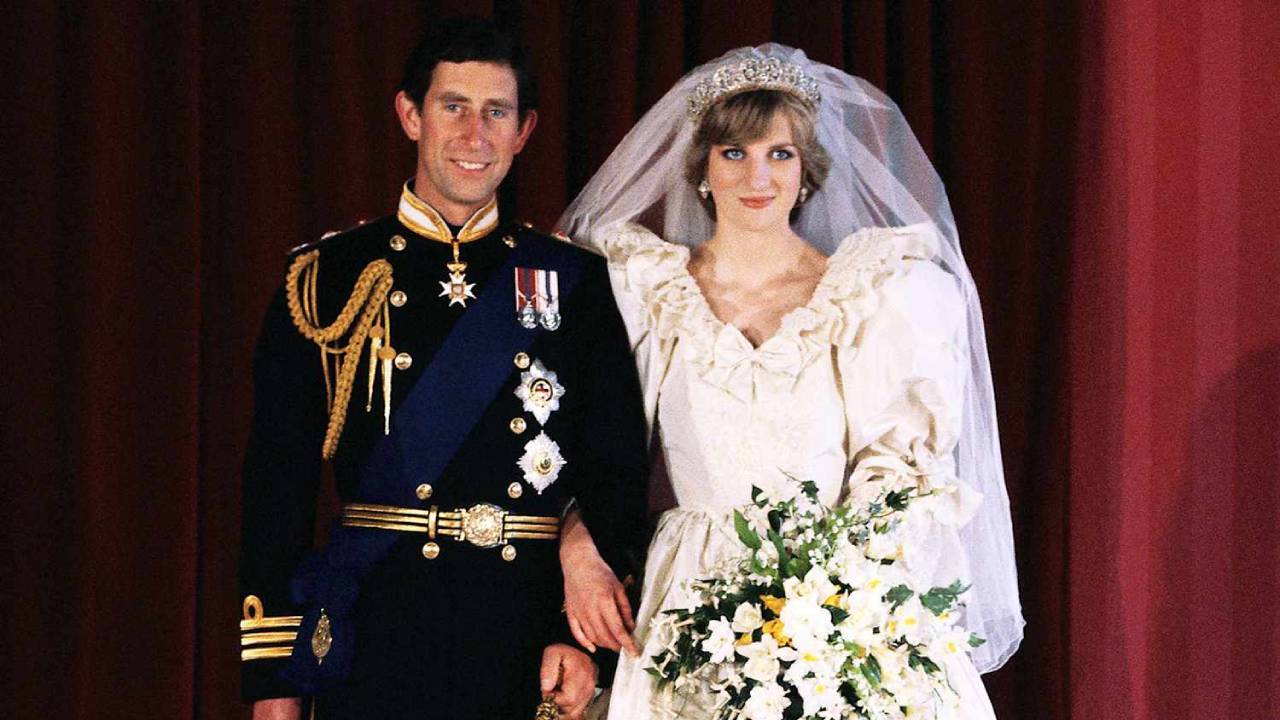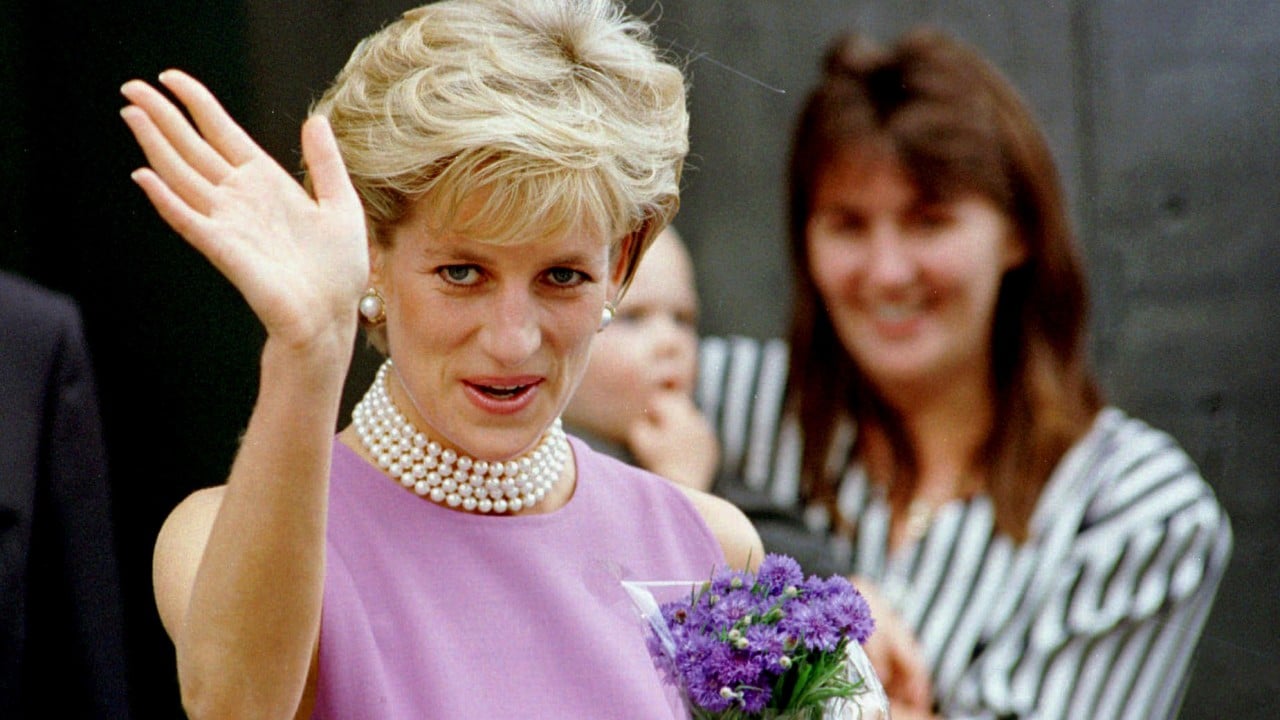
Trauma doesn't fade quietly. It festers, morphs, and erupts decades later in book deals, television interviews, and bitter public recriminations. When Earl Charles Spencer announced his memoir, Swan Song: Diana, My Sister, most observers expected standard reflections on a tragic history. Instead, the pages detonated a fresh royal crisis. Nearly thirty years after the horrific tunnel crash in Paris, the ghost of Princess Diana continues to haunt the House of Windsor.
At the center of the storm is a single, explosive assertion. Spencer claimed that when King Charles called him in the immediate wake of Diana's death in August 1997, the then-prince sounded profoundly detached. In fact, he went much further. Spencer wrote that Charles sounded giddily elated, comparing his tone to that of a lottery winner. According to the memoir, when Spencer reeled in shock, Charles allegedly dismissed the tragedy with a chilling remark, telling him that people would forget her soon enough.
The claim sent shockwaves through the global media ecosystem. It dragged the monarchy back into a defensive posture, forcing courtiers to break their golden rule of silence. But beneath the sensational headlines lies a much deeper, uncomfortable truth about grief, memory, and the toxic intersection of personal loss and institutional survival.
The Anatomy of a Royal Phone Call
Conversations held in the shadow of catastrophic news are rarely clear-cut. When tragedy strikes, human brains struggle to process raw reality. Adrenaline spikes. Shock blurs perception. Yet, memoirs thrive on absolute certainty.
Spencer described a phone call that took place on August 31, 1997. While family members and friends across the world wept, called in panic, or struggled to speak through tears, Spencer maintained that Charles exhibited an eerie calmness. Worse still, he characterized that calmness as giddy elation.
It's a devastating accusation. To accuse a former husband of celebrating the demise of the mother of his children is about as dark as public allegations get. Yet, human psychology offers a complicated lens here. Grief makes monsters out of ordinary people. It distorts tones, magnifies perceived slights, and turns awkward emotional detachment into calculated malice.
When someone is profoundly uncomfortable with public emotion—as the British royal family has historically been—their attempts at composure often register to outsiders as coldness or hostility. Charles has spent his entire life conditioned to suppress outward vulnerability. In 1997, the entire institution of the monarchy was facing an existential panic. The public was weeping in the streets, leaving mountains of flowers outside Kensington Palace, and openly baying for royal blood.
Was Charles celebrating? Or was he drowning in the terrifying realization that his life, his crown, and his future had fundamentally shattered in a single night?
Consider the sheer weight of the institutional machinery spinning out of control at that exact hour. Courtiers were scrambling. Young princes were isolated at Balmoral. The media was transforming a personal tragedy into a global referendum on the survival of the crown. In that kind of hyper-ventilating environment, human beings react with defense mechanisms that defy rational explanation. A nervous laugh, an awkward pause, or a clipped sentence can easily be misread as malice when viewed through the burning lens of fresh grief.
When the Palace Breaks Its Silence
For decades, the royal playbook relied on a single mantra. Never complain, never explain. It's a strategy designed to starve controversies of oxygen. Yet, the claims in Spencer's memoir proved too explosive to ignore.
Buckingham Palace did something extraordinary. They issued a direct, pointed rebuttal. While maintaining their traditional stance of not commenting on books as a rule, a spokesman noted that the pain of fraternal grief can cloud reason, affect judgment, and colour memory in ways others do not recognize.
That single sentence is a masterclass in diplomatic defense. It doesn't call Spencer a liar. Instead, it suggests something much more subtle and difficult to argue against: that he misremembered, misinterpreted, or allowed decades of bitterness to rewrite the soundtrack of his grief.
Think about how memory works over thirty years. Every time you recall a traumatic event, you don't replay a video tape. You replay your last memory of that video tape. Details drift. Tones shift. Emotional scars color every historical interaction. If you hate someone, your brain naturally interprets their awkward stutter or neutral cadence as triumphant mockery.
The Palace's response exposes the core fragility of memoir-driven history. We want our memoirs to be objective transcripts of the past. They are anything but. They are subjective monuments built by authors who have lived with their grievances for decades.
The Weight of a Broken Marriage
To understand why these claims resonate—and why they spark such fierce debate—we have to look back at the wreckage of the Wales marriage. The dynamic between Charles and Diana was a slow-motion public disaster fueled by incompatible personalities, immense media pressure, and competing loyalties.
Spencer's book doesn't just focus on the tragic end; it digs into the unraveling years. He recounts lunch meetings at San Lorenzo where Diana confided that her marriage was completely broken, revealing details about Charles's inner circle and her own terrifying flirtations with despair. She drove to Beachy Head, contemplating ending it all, stopped only by her fierce love for William and Harry.
These revelations paint a picture of profound isolation. Diana was trapped inside a gilded cage, battling severe mental health struggles while the world projected a fairy-tale narrative onto a union that was rotting from the inside out.
When a marriage ends in such public humiliation, healing is nearly impossible. The resentment doesn't die when the divorce papers are signed. It goes underground, waiting for an anniversary, a documentary, or a published memoir to burst back into the open.
Historians and biographers have spilled oceans of ink analyzing the blame game between the Prince and Princess of Wales. But blaming one side misses the point of the institution itself. The monarchy as an operating system was fundamentally unequipped to handle two human beings whose emotional needs collided so violently. The machine demanded silence, obedience, and conformity. Diana rebelled against those guardrails in real-time, while Charles retreated into duty, tradition, and his private circle.
The Danger of Weaponizing Grief
There is something deeply troubling about mining private grief for public consumption decades after the fact. When public figures write memoirs, they often claim a noble desire to set the record straight. They want closure. They want transparency.
Yet, transparency is rarely the actual product. What gets delivered is a carefully curated narrative designed to settle old scores while the other side is bound by institutional duty and royal protocol from fighting back in kind. Charles is now a reigning monarch. He cannot go on a television talk show to debate his former brother-in-law. He cannot publish a point-by-point rebuttal in a tabloid newspaper.
When one party holds all the megaphones while the other is gagged by constitutional convention, the resulting discourse isn't history. It's character assassination dressed up as truth-telling.
If Charles truly said those callous words on the morning of Diana's death, it is indefensible. It reveals a breathtaking lack of empathy. But if grief, panic, and decades of mutual loathing warped a conversation into something unrecognizable, we are participating in a collective delusion. We are treating a deeply traumatized brother's subjective interpretation as objective fact.
Why We Can't Look Away
Why do we care? Why do millions of people eagerly consume every new scrap of dirty laundry from a tragedy that happened before the internet was even mainstream?
Because the story of Diana Spencer hits every primal human nerve. It has everything. A young woman thrust into an impossible world. A stoic, emotionally stunted establishment. Power, betrayal, wealth, and sudden, violent death.
We view the royal family through the lens of our own domestic dramas. We project our own broken marriages, our own difficult in-laws, and our own family feuds onto the Windsor balcony. When Earl Spencer drops a bomb about a phone call from 1997, he isn't just updating royal history. He is feeding an insatiable cultural hunger for proof that the people at the top are just as miserable, petty, and broken as the rest of us.
Perhaps they are. Power rarely insulates anyone from human suffering. Often, it just makes the suffering louder and harder to escape.
Yet, as we parse every word of Spencer's memoir, we should remember the limits of memory. Thirty years is a lifetime. Grief is a distorted mirror. And no matter how many books are published, the full truth of what was said in the dark hours of August 1997 went into the grave with the princess.
The rest is just noise.
Diana's brother claims King Charles sounded giddily elated
This video report provides a comprehensive overview of the explosive allegations made by Earl Spencer in his memoir regarding King Charles's reaction to Princess Diana's tragic death.