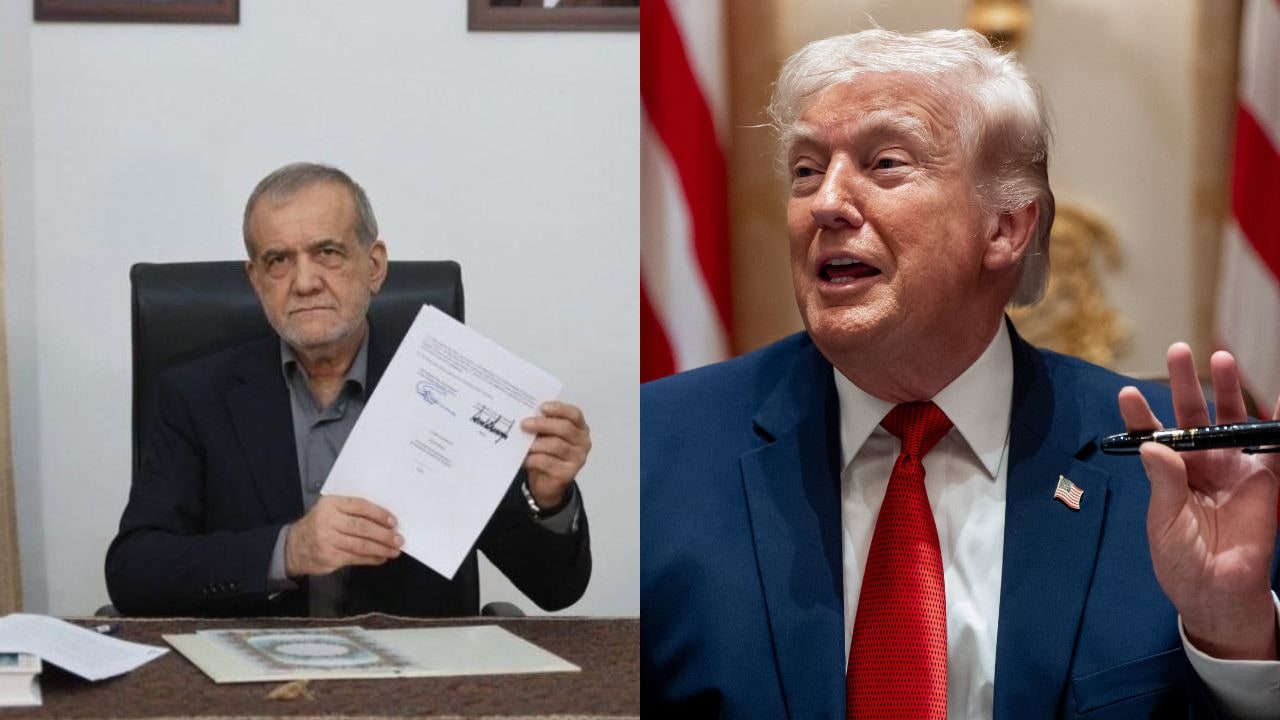
For one hundred and ten days, the world held its breath.
If you lived anywhere near a major shipping lane, a military outpost, or a television screen, your life was measured in updates. Minutes bled into hours of scrolling. Oil prices spiked. Supply chains fractured. In kitchens across the globe, families watched the news, wondering if a regional flare-up was about to morph into something catastrophic.
Then, the static cleared. A peace deal was signed.
But peace is rarely a sudden switch from darkness to light. It is an awkward, fragile negotiation with reality. To understand what actually changed when the ink dried on the US-Iran peace agreement, you have to look past the stiff press conferences and the staged handshakes. You have to look at the people who woke up the next morning trying to remember what normal felt like.
The Cost of 110 Days
Imagine a cargo ship captain standing on a bridge in the Strait of Hormuz. For nearly four months, that narrow strip of water was the most dangerous parking lot on Earth. Every shadow on the radar was a potential drone. Every radio crackle caused a spike in adrenaline.
The conflict didn't start with a formal declaration, and it didn't involve trenches. It was a modern war of friction. One hundred and ten days of precise, localized strikes, economic sabotage, and psychological warfare. For the people living in the coastal towns of Iran and the service members stationed on American vessels in the Persian Gulf, the stakes weren't geopolitical talking points. They were literal.
When critics ask if the peace deal truly "ended the war," they are asking the wrong question. There was no grand surrender, no signing on the deck of a battleship. What ended was the immediate threat of escalation.
Think of it like a fever breaking. The patient isn't suddenly healthy enough to run a marathon. The damage to the organs is still there. The weakness remains. But the terrifying, upward trajectory of the illness has stopped.
What Changed on the Map
The mechanics of the agreement can seem dense, but they translate directly into human terms.
First came the immediate freeze on military movements. For months, the airspace over the region had been restricted, forcing commercial flights to take massive, expensive detours. The day after the signing, civilian airliners began cutting across skies that had been reserved for fighter jets just twenty-four hours prior.
Second, the maritime corridors opened. The immediate result wasn't a sudden boom in global trade, but a collective exhale from the global insurance market. The cost of moving a single container of food or medicine through the region dropped overnight. For a family waiting on delayed shipments of basic goods, that mattered.
But the biggest shift was invisible. It was the sudden halting of the cyber attacks that had been quietly dismantling civilian infrastructure on both sides. Municipal water plants, regional power grids, and hospital databases had been the silent battlegrounds of this 110-day war. The deal put a temporary firewall between the state-sponsored hackers and the everyday systems people rely on to live.
The Uncertainty of the Aftermath
It is easy to be cynical about diplomacy. Agreements are broken every day. The history of international relations is littered with broken promises and abandoned treaties.
When you read the text of the deal, the language is intentionally vague in places. It has to be. True clarity would have caused either side to walk away from the table. Both leadership teams needed to return home and claim a victory to save face. The Americans pointed to strict monitoring protocols; the Iranians pointed to the easing of specific, crippling economic restrictions.
Is it a perfect solution? No. It is a calculated pause.
Trust is not something that can be manufactured by a diplomatic summit. It is built over years of predictable behavior. Right now, both nations are looking at each other across a table, hands still resting uncomfortably close to their holsters. The deal didn't erase decades of animosity, nor did it align two fundamentally different worldviews.
What it did was buy time. Time for aid to reach communities that had been cut off. Time for families to bury their dead without fear of a secondary strike. Time for cooler heads to figure out what happens when the immediate adrenaline of conflict fades.
Late in the evening on the day the deal was finalized, the streets of Tehran and the corridors of Washington grew quiet. The late-night news cycles began to shift to other stories. The sirens had stopped. For the first time in 110 days, the silence wasn't a prelude to an explosion; it was just the quiet of an ordinary night.


