Silence does not arrive quietly. It creeps in through the edges of ordinary routines until you notice that the hum of the modern world has simply stopped.
Consider a Tuesday morning in Calgary. For thousands of residents, the morning ritual begins not with the sound of birds or brewing coffee, but with the soft glow of a screen. We check the weather, answer the first wave of emails, glance at transit schedules, and verify that the children are ready for school. We are a society wired into an invisible grid, trusting that the pulses of data carrying our lives will always be there.
Then, nothing.
Black screens. Spinning loading wheels that freeze in place. The quiet panic of watching the signal bars on your phone drop from four to zero, replaced by a stark, chilling little symbol: an empty triangle or an "SOS only" warning.
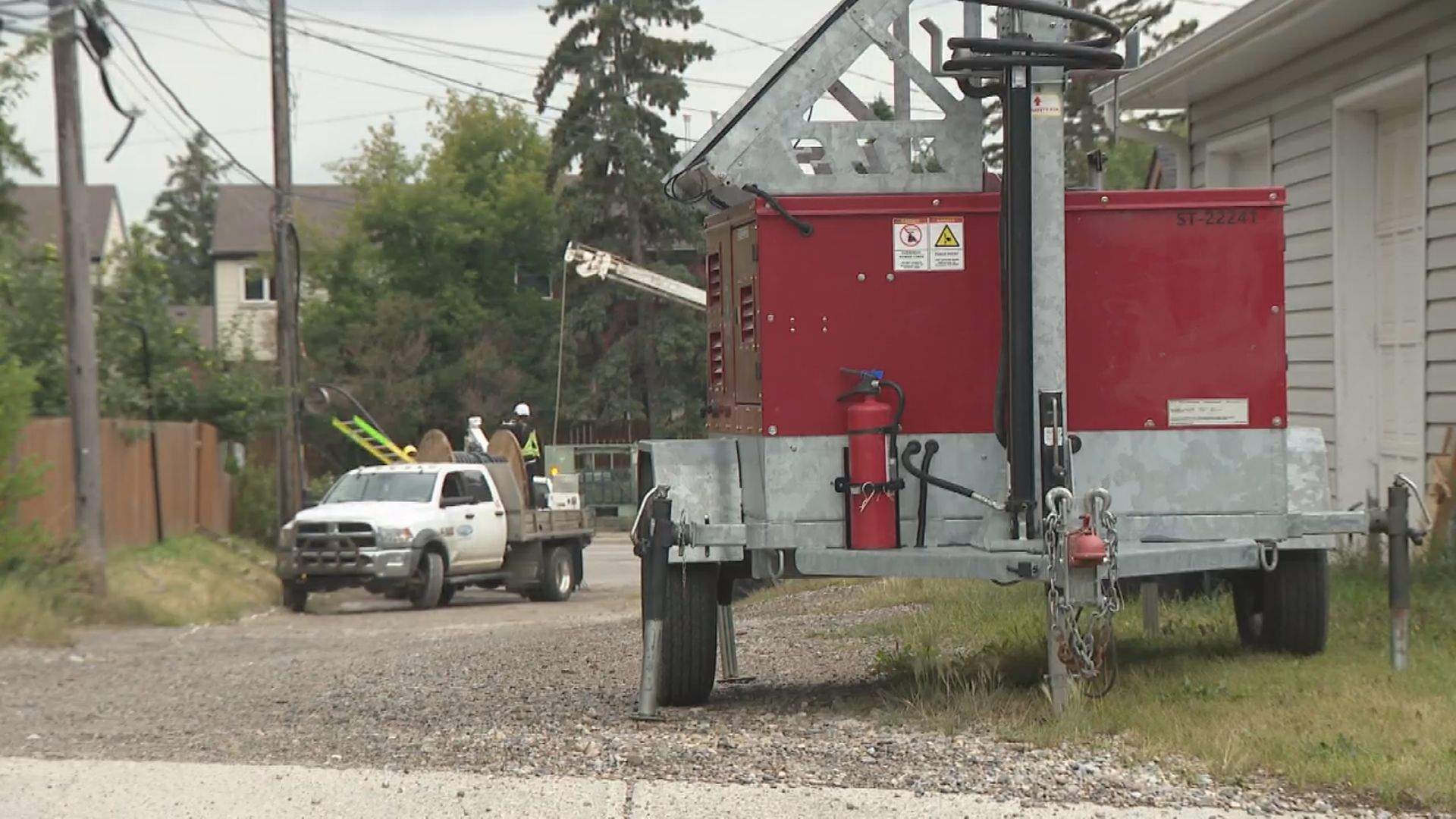
A days-long Telus outage swept through Calgary, turning routine urban life into a study of sudden isolation. This was not a temporary glitch that cleared up by the time you finished your toast. This lasted. Hours bled into days. For the thousands caught in the blackout, the outage transformed everyday life into an exercise in frustration, vulnerability, and a stark reminder of how completely we depend on infrastructure we rarely see.
(Note: The following character is a hypothetical composite based on verified accounts of residents affected by the Calgary service disruption, designed to illustrate the human stakes.)
Meet Sarah. She runs a small boutique bakery in the Beltline district. Her business survives on rhythm. Orders come in online, suppliers confirm deliveries via text, and customers tap their phones to pay for sourdough loaves and morning pastries. On the first day of the outage, Sarah walked into her shop at five in the morning, preheated the ovens, and waited for the world to wake up.
The world woke up, but it could not reach her.
Her point-of-sale terminals sat dark and useless. Customers walked through the door, selected their pastries, reached for their cards, and froze. Without cellular data or broadband connectivity, cash became the only currency, a relic most urbanites abandoned years ago. By noon, Sarah was turning people away not because she lacked goods, but because she lacked a connection.
"It felt like being cut off from oxygen," she later recalled of the ordeal. "You realize how fragile your entire livelihood is when a server farm miles away stumbles."
Frustration turned to anger across the city as the hours stretched onward. People lined up outside public libraries and coffee shops that still had auxiliary Wi-Fi, huddling over screens like refugees seeking warmth. Social media feeds—for those who could occasionally hitchhike onto a functioning network—filled with furious complaints directed at Telus. Customers demanded answers. Why was a major Canadian city crippled for days? How could a telecommunications giant fail on such a massive scale?
The technical explanations offered by corporations during these crises often sound like distant weather reports. A severed fiber-optic line here, a routing error there, redundant systems failing in an unlucky cascade. But to the person standing in a hospital parking lot unable to coordinate care for an elderly parent, technical jargon offers no comfort.
Let us look closer at the invisible architecture of our daily existence. We build our cities out of concrete and steel, but we run them on light. Fiber-optic cables buried beneath asphalt carry pulses of laser light at the speed of communication, translating human needs into data packets. When a break occurs, it is rarely just a wire snapping. It is a severed artery.
Consider the ripple effects. When a major carrier goes down for days, the damage goes far beyond missed text messages or delayed social media scrolls.
Remote workers found themselves locked out of corporate systems, facing difficult conversations with employers about lost productivity. Small business owners watched daily revenues evaporate into the ether. Medical appointments were thrown into chaos as patients could not receive reminder texts or telehealth check-ins. Emergency communication channels, while maintaining primary 911 access through roaming agreements where possible, experienced severe strain as panicked citizens flooded alternate lines with non-urgent inquiries.
We have engineered convenience to the point of addiction. In doing so, we have pruned away our redundancies. When was the last time you memorized a phone number? When was the last time you carried a physical map in your glove compartment, or kept a stash of twenty-dollar bills hidden behind the visor?
We traded those offline survival skills for the seamless efficiency of the cloud. Most of the time, the trade is worth it. The cloud is weightless, fast, and capacious. But when the cloud bursts, we fall hard.
By the time Telus crews finally restored full service to Calgary, the city breathed a collective sigh of relief. Screens lit up. Notifications cascaded in a chaotic avalanche—dozens of missed calls, urgent emails, and panicked text messages all demanding attention at once. The digital river began to flow again.
Sarah unlocked her bakery doors the next morning, ran a test transaction through her card reader, and watched the green checkmark appear on the screen. A small victory. Life resumed its normal, frantic pace.
Yet the silence lingers in the back of the mind.
Calgary learned a hard lesson in the span of those few dark days. Infrastructure is not permanent; it is a fragile agreement between human ingenuity and entropy. We walk among invisible threads every single day, trusting that someone, somewhere, is keeping them taut.
The next time your phone screen goes blank, remember the baker in the Beltline, the silent cash registers, and the sudden, jarring realization that beneath the veneer of our hyper-connected age, we are only ever one severed line away from the wilderness.