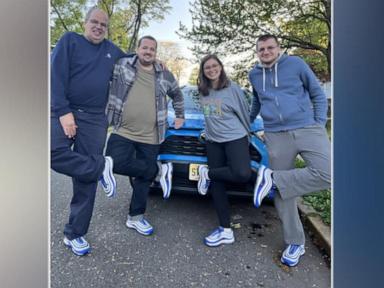
The feel-good news cycle has a formula, and everyone keeps falling for it. A massive global sportswear brand catches wind of a grieving family, dispatches a custom package of sneakers honoring a deceased matriarch, records the tearful unboxing, and watches the viral views roll in. The internet weeps. The brand gets a massive injection of unearned moral authority.
This is not a heartwarming story about corporate empathy. It is a highly optimized, low-cost marketing execution that weaponizes human tragedy for brand equity.
When consumer brands step into the arena of personal grief, we are conditioned to applaud. We call it "going above and beyond" or "humanizing the corporation."
It is time to look at the cold math behind the sentimentality.
The Micro-Investment with a Macro-Return
Let's dissect the actual economics of a viral corporate donation. Manufacturing a custom pair of sneakers costs a multi-billion-dollar enterprise almost nothing. Shipping it overnight is pocket change. The total financial outlay for the brand is negligible, yet the return on investment outpaces traditional advertising by orders of magnitude.
Consider what a brand usually pays for a prime-time commercial slot or a billboard in a major city. Millions of dollars are poured into creative agencies, media buying, and demographic targeting just to get a fractional lift in brand sentiment. A single viral video of a grieving family receiving a special delivery achieves better emotional resonance for the price of a courier fee.
I have spent years analyzing how corporate marketing budgets are allocated. The shift from overt selling to "cause-based emotional hijacking" is the most cost-effective strategy of the modern era. Brands no longer just want you to buy their products to run faster or look better; they want you to associate their logo with the deepest, most sacred parts of the human experience.
When a company converts private loss into public relations content, they are not acting out of altruism. They are acquiring cheap media impressions.
Why We Crave the Corporate Savior Narrative
The public obsession with these stories reveals a deeper, more uncomfortable truth about modern consumer culture. We have become so thoroughly atomized that we now look to multinational conglomerates to provide the communal validation that used to come from neighbors, churches, and local support systems.
- The Validation Trap: We assume that because a massive entity noticed someone's pain, that pain is somehow more validated.
- The Scale Illusion: We confuse the scale of a company's reach with the depth of its sincerity.
- The Transactional Bias: We accept the premise that a commodity can serve as a legitimate vessel for grief counseling.
Imagine a scenario where a local bakery delivers a cake to a mourning family. It is a kind gesture, done quietly, with zero expectation of a press release. It remains a human interaction. But when a global footwear giant does it, the gesture is immediately scaled, packaged, and distributed to millions of screens. The human element is instantly subsumed by the machinery of public relations.
The premise of the question we ask when reading these stories is fundamentally flawed. We ask, "Isn't it wonderful that this brand cared enough to do this?"
The real question should be, "Why do we allow corporations to use our private mourning as a backdrop for their next quarterly narrative?"
The Hidden Cost of Commercialized Sympathy
There is no such thing as a free sneaker. When a brand inserts itself into a family's grief, it alters the nature of that grief. The mourning process, which should be private, reflective, and shielded from the market, becomes part of a broader content stream. It sits on a social media timeline between a comedy sketch and a political argument, complete with corporate watermarks.
This commercialization creates a dangerous precedent. It establishes an implicit hierarchy of grief based on viral potential.
What happens to the families whose stories do not have a clean, marketable hook? What about the millions of people mourning loved ones who do not get a custom delivery because their tragedy cannot be easily tied to a product line? By celebrating the rare occasions where a corporation deigns to notice a consumer's pain, we inadvertently diminish the quiet, unmarketable grief of everyone else.
The downsides of calling out this dynamic are obvious. It makes you look cynical. It makes you look like the person ruining a heartwarming moment. But ignoring the mechanics of this strategy allows corporations to systematically strip-mine human emotion for capital without anyone pointing out the ledger.
Reclaiming the Boundaries of the Market
The solution is not to demand that corporations become more genuinely empathetic. A corporation is a legal entity designed to maximize shareholder value; expecting it to possess a soul is a category error. The solution is for the consumer to erect a wall between their emotional lives and the brands they buy.
- Stop Sharing the Content: Every time you click, like, or share a video of a brand "honoring" someone, you are validating the financial efficacy of the strategy. You are acting as an unpaid distributor for a multi-billion-dollar marketing department.
- Support Local, Private Support Systems: Direct your emotional energy toward tangible, local actions that do not require a corporate sponsor. Cook a meal. Write a letter. Show up in person. Do it without a camera rolling.
- Demand Functional Excellence, Not Moral Guidance: Hold brands accountable for the quality of their products, the ethics of their supply chains, and the treatment of their labor force. Stop grading them on their ability to make you cry on social media.
We must stop treating global enterprises as emotional partners. Buy their shoes if you like the design. Wear their clothes if they fit well. But do not look to them for comfort when the world breaks your heart. They are not your family, they are not your friends, and their shipping department is not an altar.
Keep your grief out of their metrics.