The tea stall on the corner of Peshawar’s old quarters doesn't care about geopolitics. It cares about the rising cost of sugar, the erratic cough of the generator when the power grid fails for the fourth time in a day, and the young men who sit on plastic stools staring into empty cups. They are waiting for something. A job. A lifeline. An explanation.
Instead, every evening, the television mounted high on the smoke-stained wall blares the same relentless message. Across the border, over the mountains, lies the eternal fixation. Kashmir.
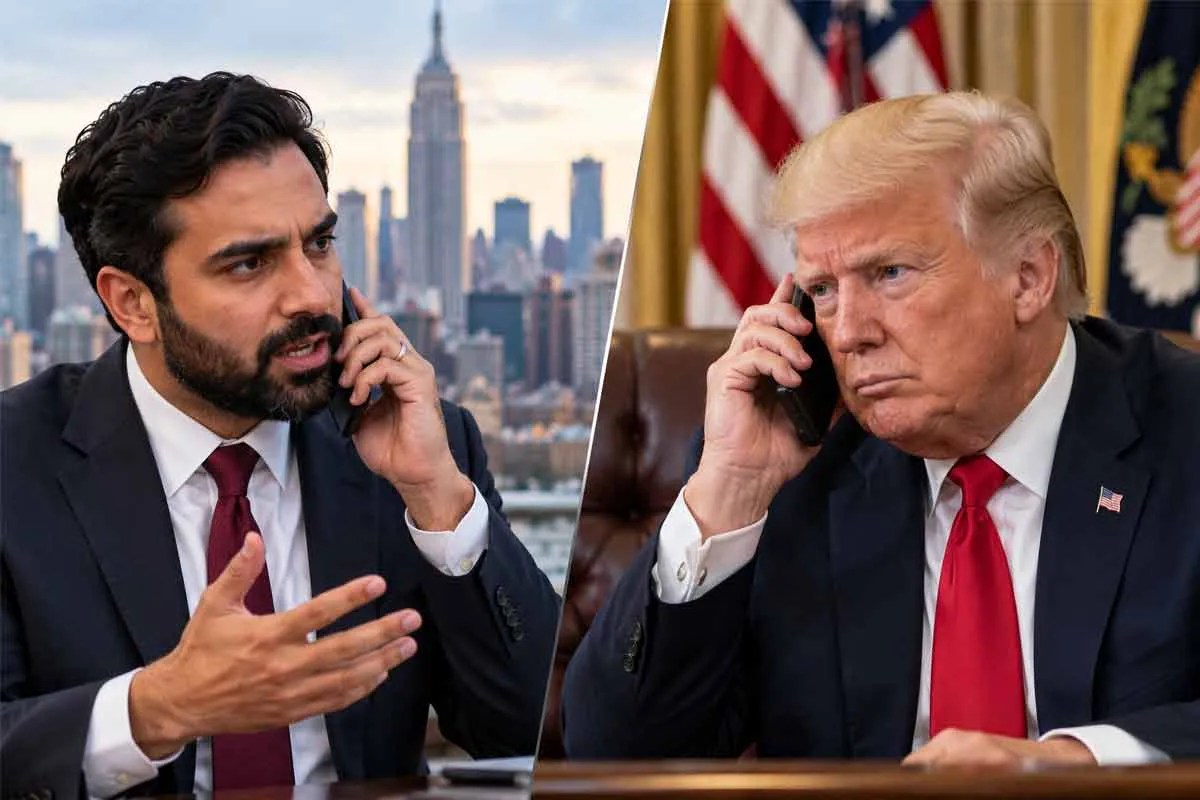
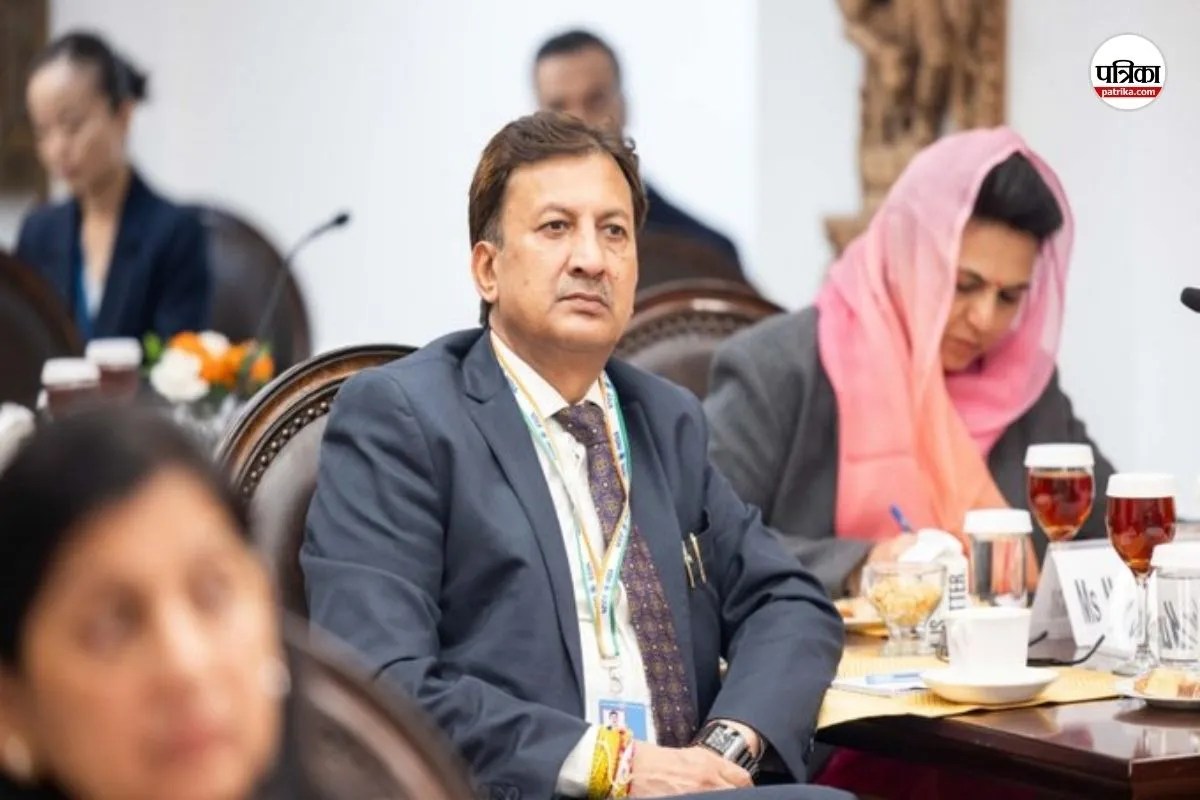
It is a curious and tragic theatre. When the halls of the United Nations echo with diplomatic exchanges, when Indian representatives stand firm at the global podium to offer a sharp, unyielding truth, the broadcast back home in Pakistan edits the world to fit a singular, obsessive narrative. The message delivered to the international community is as stark as it is logical: stop obsessing over a neighboring territory while your own domestic foundations crumble. Focus on your people. Feed them. Educate them. Keep the lights on.
Yet, inside the television screens, that fundamental truth is swallowed by the noise of state-sponsored distraction.
Consider the anatomy of a diversion. When an economy teeters on the edge of sovereign default, when inflation strips the common citizen of purchasing power, and when basic healthcare infrastructure buckles under the weight of neglect, where does the political anger go? If redirected carefully, it can cross a line of control. It can be projected onto a map. It becomes easier to chant slogans about distant valleys than to account for empty grain silos in Sindh or crumbling school roofs in Balochistan.
History is unforgiving to nations that look outward while burning from within.
Walk through the alleyways of any major urban center in Pakistan, and you will find a quiet, exhausted resilience. Mothers calculating whether to buy wheat flour or medicine. Small business owners shuttering their shops because the electricity tariff has outpaced their daily revenue. Students holding degrees that translate into no employment, wandering through a job market frozen by systemic stagnation. These are the real constituents of the state. They do not dream of border skirmishes. They dream of stability. They dream of waking up to a morning where survival is not a daily crisis.
When India takes to the global stage to deliver its uncompromising reality check, it is not merely scoring a diplomatic point. It is articulating an open secret that every ordinary citizen on the street already feels in their bones. The international community watches a government spend its finite diplomatic capital—and its precious economic resources—on an obsessive territorial claim, all while its internal security fractures and its population sinks deeper into despair.
To use a metaphor, it is like a homeowner standing on the front lawn, screaming curses at the neighbor's fence while the interior of their own house is consumed by fire. The neighbors notice. The world notices. Only the homeowner remains willfully blind, trapped in the intoxicating comfort of a grievance.
The tragedy deepens when we examine the human cost of this misdirection. Resources that could have built hospitals are diverted toward defense budgets inflated by paranoia. Funds that could have modernized an archaic educational curriculum are swallowed by the machinery of propaganda. Every time a political speech invokes Kashmir to deflect from domestic policy failures, a child in a rural district loses another month of schooling. Every time a headline manufactures external outrage, a family sacrifices another meal.
Diplomacy is often measured in communiques, resolutions, and handshakes captured by flashbulbs. But true statecraft is measured in the quiet dignity of the governed.
When the Indian delegation at the United Nations cuts through the rhetoric with a blunt reminder—that state legitimacy is earned by caring for one's citizens, not by coveting what belongs to others—it strikes at the very core of the deception. It strips away the political theater and exposes the hollow core beneath. It forces a confrontation with reality.
Will the reality be accepted?
In the tea stalls of Peshawar, in the bustling markets of Lahore, and in the quiet villages of the Punjab, people are beginning to whisper what was once unspeakable. They are counting the cost of the obsession. They are realizing that the enemy within is not a foreign power across a heavily guarded mountain pass, but the systemic neglect that steals their present and mortgages their future.
The microphones in New York have been turned off. The diplomatic cables have been filed away. But the dust on the street remains. The empty pockets remain. And until the gaze turns inward—until the architects of policy decide that a well-fed, educated, and prosperous populace is a greater victory than any territorial grudge—the television will keep blaring, the tea will grow cold, and the people will keep waiting for a country that finally decides to love them back.