The intersection of documentarian non-fiction and personal trauma operates on a devastating transaction model. When a creator processes the loss of a child through the lens of their own medium, the act of reconstruction ceases to be purely therapeutic. Instead, it becomes an active variable in the tragedy itself. In analyzed works where a filmmaker obsessively documents their deceased offspring, the creative process is frequently revealed as a primary driver of the neglect or alienation that preceded the loss. This dynamic establishes a psychological feedback loop: the filmmaker exploits the tragedy to generate narrative capital, while simultaneously experiencing profound guilt because their obsession with creating narrative capital contributed to the tragedy.
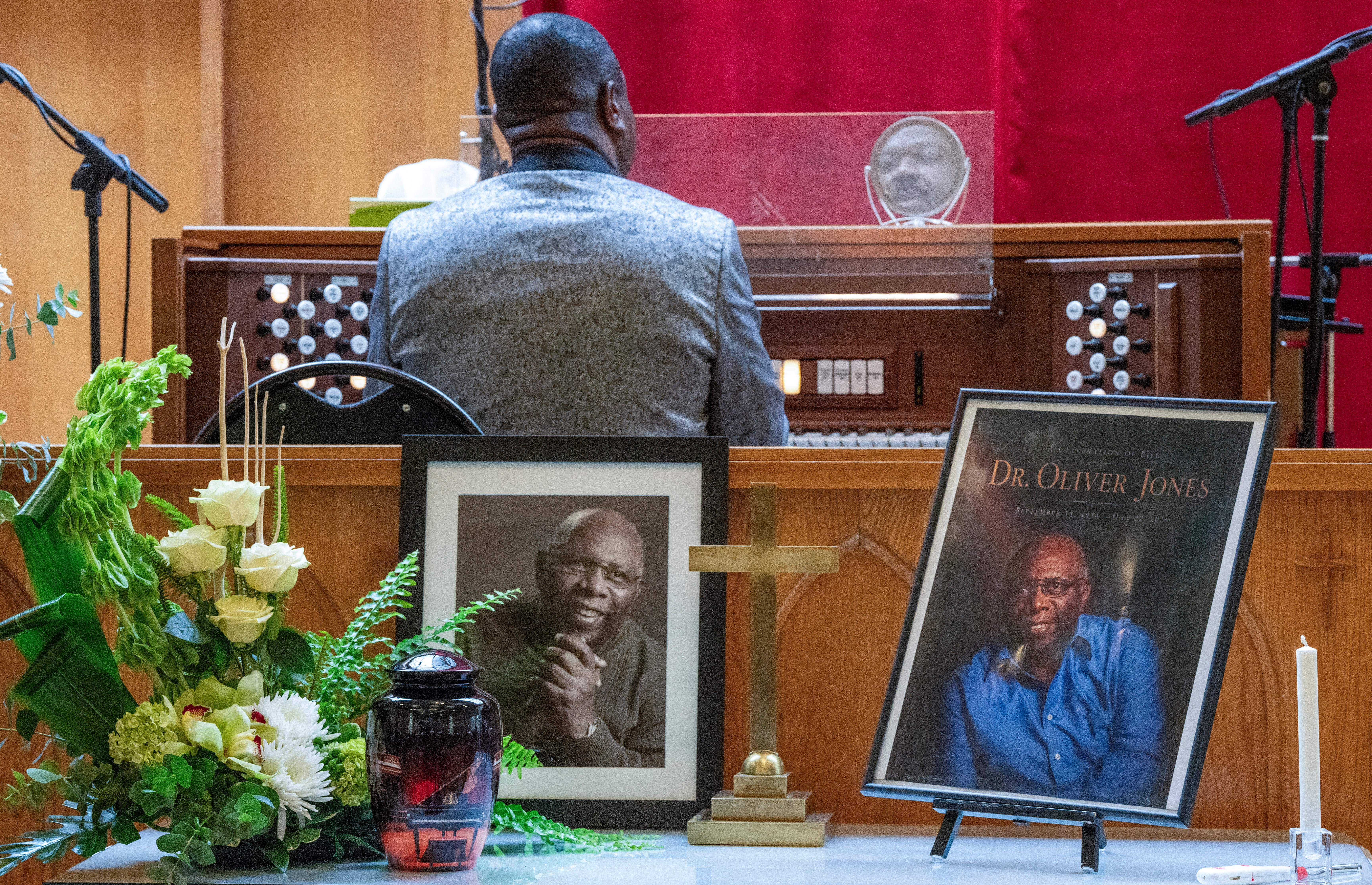
This analysis deconstructs the structural, operational, and psychological mechanisms that govern this specific class of autotheoretical cinema. By examining the resource-allocation trade-offs of high-intensity creative production, the conversion of lived trauma into intellectual property, and the psychological defense mechanism of cinematic editing, we can map the exact cost function of the obsessive creator. You might also find this related story useful: Cultural Capital Allocation The Preservation Economics of Oliver Jones and Little Burgundy.
Cognitive Bandwidth Allocation and Parental Displacement
The fundamental conflict within the creative household is one of scarce resource allocation. Time, attention, and emotional labor are finite assets. In high-output creative environments, these assets are consistently diverted away from domestic stabilization and channeled into production pipelines.
[Total Cognitive Bandwidth]
       │
       ├─► [Creative Production Pipeline] (High Capture Rate)
       │
       └─► [Domestic Stabilization & Oversight] (Deficit State)
This resource diversion operates under a predictable mathematical progression: As reported in detailed articles by Rolling Stone, the effects are widespread.
- The Attention Capture Phase: The creative project demands hyper-focus, reducing the creator's situational awareness of immediate family dynamics.
- The Domestic Subsidence Phase: Family members, particularly children, adapt to the parent's emotional absence by seeking external validation or engaging in unsupervised, high-risk behaviors.
- The Incident Threshold: A crisis occurs during a period of peak creative focus, leaving the parent structurally incapable of intervention.
The guilt experienced by the filmmaker in the aftermath is not a vague emotional response. It is a precise post-facto calculation of opportunity cost. The filmmaker recognizes that the unit of attention required to prevent the casualty was directly spent on the acquisition of a shot, the refinement of a script, or the management of a production budget. The film itself becomes the physical manifestation of that stolen attention, serving as a monument to the filmmaker's misplaced priorities.
The Conversion of Trauma into Narrative Capital
Once the tragedy occurs, the obsessive creator faces a secondary dilemma: how to process the loss without abandoning their primary tool of comprehension—the camera. This initiates the process of converting private grief into narrative capital. This conversion operates across three distinct phases.
The Desensitization Phase
To edit footage of a lost family member, the creator must achieve a high degree of clinical detachment. The deceased child is mentally categorized not as a lost life, but as visual asset data. The filmmaker analyzes facial expressions, vocal inflections, and body language to optimize emotional resonance on screen. This process temporarily anesthetizes the acute pain of grief, replacing it with the technical challenges of color grading, sound design, and narrative pacing.
The Commodification Phase
The completed film must eventually enter the marketplace of ideas, film festivals, and distribution networks. At this juncture, the filmmaker's personal guilt is packaged as a marketing hook. The narrative utility of the child's death is evaluated by external stakeholders—critics, distributors, and audiences—based on its dramatic impact. The creator is forced to defend the artistic merits of their self-flagellation, effectively monetizing their complicity in the tragedy.
The Memorialization Loop
The film is presented as a permanent memorial, an attempt to grant the lost child a form of digital immortality. However, this memorial is highly curated. It presents a version of the child that serves the film’s narrative arc, often flattening the complexities of the actual relationship to fit the theme of tragic loss. The real child is replaced by a cinematic construct, leaving the living family members to grieve an idealized projection rather than the actual person.
The Illusion of Agency in Cinematic Reconstruction
The act of editing is, at its core, an exercise in absolute control. Within the editing suite, the filmmaker possesses the power to manipulate time, alter the sequence of events, and rewrite the emotional subtext of a scene. For a parent who failed to prevent a real-world catastrophe, the editing bay offers a seductive, albeit artificial, venue for retroactive agency.
Through the manipulation of archival footage, home videos, and reconstruction sequences, the filmmaker attempts to solve a historical equation that has already been finalized. They search the frame for missed warning signs, isolating frames to find the exact moment the trajectory of their child's life diverged toward disaster.
This process yields two distinct psychological pathologies:
- Retroactive Preventative Fantasies: The filmmaker structures the narrative to imply that if a single variable had been altered, the outcome would have changed. This keeps the creator trapped in an endless loop of "what-if" scenarios, preventing cognitive acceptance of the event.
- The Editing Room Trial: The filmmaker uses the film to put themselves on trial, presenting the evidence of their neglect to the audience. By controlling the prosecution, the defense, and the ultimate verdict through the edit, they attempt to bypass the messy, unpredictable process of real-world forgiveness. The audience's empathy is weaponized to grant absolution for a crime the audience has no authority to judge.
Systemic Vulnerabilities in Autotheoretical Production
When a production is built around the director's personal trauma, the traditional checks and balances of a film set collapse. The unique power dynamic of a self-reflective documentary creates several systemic vulnerabilities that compromise both the ethical integrity of the project and the psychological safety of the participants.
The Erasure of Crew Boundaries
On a standard production, crew members operate within clear professional boundaries. In an autotheoretical documentary dealing with active family trauma, the crew is thrust into the role of therapists, co-conspirators, and witnesses to intense private grief. The hierarchy of the set makes it difficult for crew members to voice ethical concerns about the exploitation of the subject matter, as doing so would challenge the director’s personal coping mechanisms.
The Exploitation of Surviving Family Members
The filmmaker is rarely the only survivor of the tragedy. Surviving spouses, siblings, and extended family members are often drafted into the production as interview subjects or secondary characters. These individuals are placed in a double-bind: they must either participate in the director's obsessive reconstruction—reopening their own wounds in the process—or refuse to participate, risking further alienation from the family unit. The camera becomes a tool of coercion, forcing compliance under the guise of familial unity and artistic necessity.
                  ┌──────────────────────────────┐
                  │ Director's Creative Impulse │
                  └──────────────┬───────────────┘
                                 │
                     [The Camera as Lever]
                                 │
         ┌───────────────────────┴───────────────────────┐
         ▼                                               ▼
┌────────────────────────────────┐              ┌────────────────────────────────┐
│   Option A: Participate        │              │    Option B: Refuse            │
│   - Reopens psychological wounds│              │    - Alienation from family    │
│   - Validates exploitation     │              │    - Labeled "unsupportive"    │
└────────────────────────────────┘              └────────────────────────────────┘
The Compression of Recovery Timelines
True psychological recovery requires time, quiet reflection, and a step back from public life. The demands of a film production—deadlines, festival submissions, and press tours—compress this timeline. The filmmaker is forced to perform their grief on command long before they have processed it privately. This continuous performance freezes the grief in its rawest state, preventing the natural evolution of the healing process.
Diagnostic Blueprint for Navigating Lived Trauma in Cinema
To prevent the creative process from becoming a secondary instrument of harm, filmmakers must apply a rigorous diagnostic framework before committing personal tragedy to film. The following checklist serves as a structural assessment tool to determine the ethical viability of an autotheoretical project.
Step 1: Assess the Motivation Matrix
The filmmaker must honestly evaluate the primary driver behind the production. If the project is conceived as an alternative to professional therapy, it must be halted. Cinema is a medium of public exhibition, whereas trauma processing requires a private, safe environment. If the primary goal is to seek public absolution for personal failures, the film will inevitably manipulate the audience to achieve that end, compromising its artistic and ethical integrity.
Step 2: Establish Independent Editorial Oversight
To counteract the blind spots of obsession, the project must employ an editor or producer with the authority to veto the inclusion of sensitive material. This individual must be structurally insulated from the director's personal influence. Their role is to protect the dignity of the subjects—especially those who cannot speak for themselves—and to ensure the film does not descend into self-indulgent exhibitionism.
Step 3: Implement Informed Consent Protocols for Family Subjects
Any family members involved in the production must be granted genuine veto power over their depiction. This consent must be ongoing and revocable at any stage of production, including post-production. The filmmaker must accept that the emotional well-being of surviving family members takes precedence over the narrative requirements of the film. If a scene causes psychological distress to a survivor, it must be excised, regardless of its artistic value.
The ultimate test of an autotheoretical work is whether it honors the reality of the lost individual or merely serves the ego of the survivor. When a filmmaker uses their craft to truly examine their complicity in a tragedy, the result can be a profound, warning-filled exploration of the cost of ambition. But when the camera is used as a shield to avoid the quiet, unphotogenic work of actual grief, the film becomes a continuation of the very neglect that caused the tragedy in the first place. The filmmaker must eventually turn the camera off, step out of the editing bay, and confront the silence of the empty room.