The blue light of a smartphone screen illuminates a quiet living room at 3:00 AM. Arthur sits on the edge of his worn mattress, watching numbers change. Red numbers. For thirty years, Arthur worked as an auto mechanic in Ohio, trading his nights and the cartilage in his knees for a modest pension and a steady savings account. He is a pragmatic man. He believes in hard work, the American flag, and the word of the businessman who returned to the White House.
When that businessman launched a collection of digital currencies and governance tokens, Arthur did not see a speculative gamble. He saw an invitation. He believed he was investing in a movement, a parallel financial economy built by a leader he trusted.
So, Arthur bought. He bought when the hype was deafening. He bought near the peak.
Today, those digital assets are worth a fraction of what he paid. His savings are gone. The retirement he spent a lifetime building has vanished into the complex ether of the blockchain. Arthur did not realize that in this new digital frontier, the rules of gravity still apply, but they apply unevenly.
The Up-Front Bonanza
A stark reality is emerging from federal ethics filings and market data. While thousands of individual retail buyers watched their investments lose significant value, the architecture behind these projects yielded staggering financial returns for the founders.
Recent federal financial disclosures paint a surreal picture of wealth generation. Over a single year, entities tied to the political family generated over $1.2 billion from digital asset ventures. These were not slow-growing, decades-old real estate portfolios. These were startups that launched, spiked, and yielded massive cash flows.
The mechanism of this wealth generation is a masterclass in risk mitigation. Traditional investors purchase an asset and tie their financial well-being to its long-term performance. If the asset plunges, everyone loses together.
But the business model here was different. The strategy relied on up-front monetization and transaction fees. By clipping the ticket on every trade, securing licensing fees for the family name, and selling tokens directly to eager buyers, the creators locked in their profits before the market turned.
Consider World Liberty Financial, a high-profile venture that marketed "governance tokens." These digital tokens did not represent equity in a company. They did not grant a share of corporate profits. They merely allowed buyers to vote on internal policies of a platform that was still finding its footing. Yet, the disclosure documents show the business brought in more than $500 million from token sales alone.
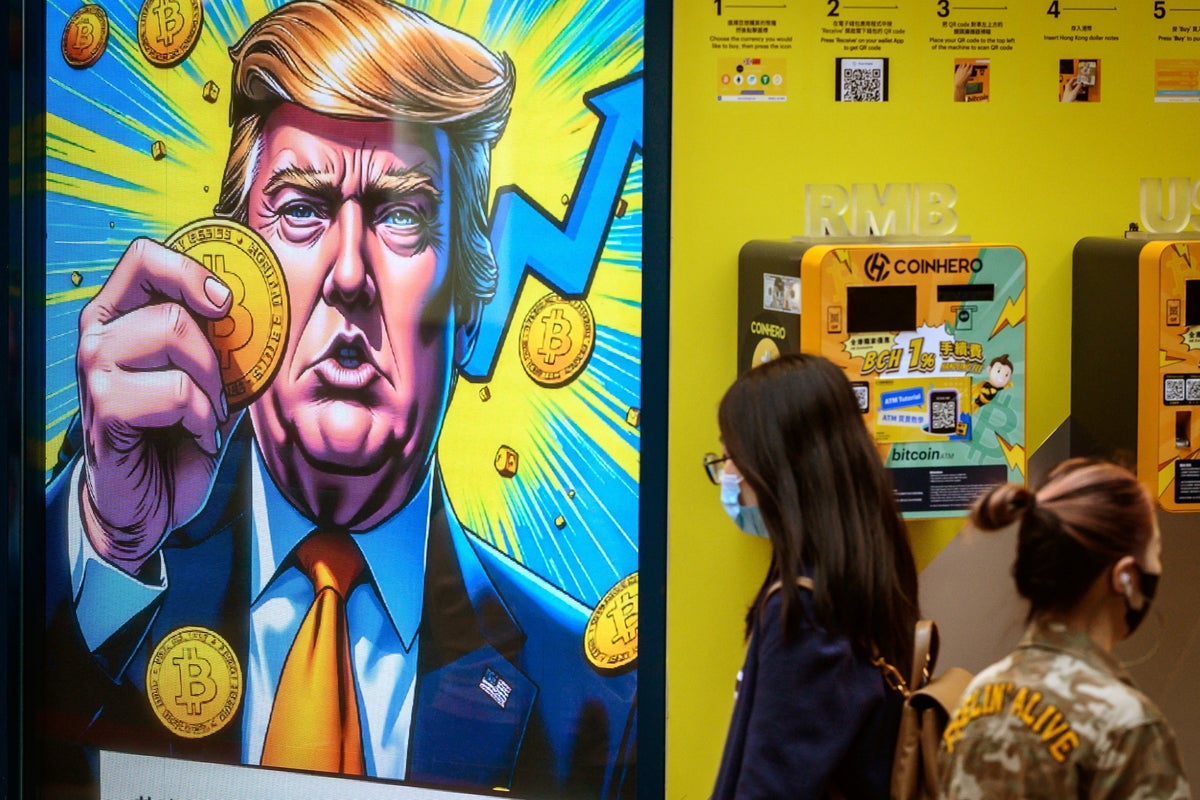
Simultaneously, another entity, CIC Digital LLC, captured over $600 million through the sale of souvenir-style digital coins. These coins, stamped with the president's likeness, became instant collector's items for loyal supporters.
Then came the turn.
The Mechanics of a Downturn
The life cycle of a hype-driven digital asset is predictable, yet it claims new casualties in every cycle.
First comes the surge. A powerful name triggers massive media coverage. Social media algorithms amplify the excitement. Early buyers, looking for quick gains, rush in. Prices skyrocket. In the heady days following the January 2025 launch, certain souvenir coins spiked above $74.
To a retail buyer watching from home, it looked like an unstoppable rocket ship. Human psychology is hardwired to fear missing out. When an asset is rising rapidly, the instinct to jump in overrides caution.
But a market built entirely on enthusiasm lacks a foundation. Once the initial wave of buyers is exhausted, the momentum slows. The early institutional players and insiders, who acquired their positions at a fraction of the public price, begin to liquidate their holdings to lock in returns.
As the selling pressure increases, the price drops. For individual buyers who entered near the top, panic sets in. They try to sell, only to discover a harsh reality of the crypto world: liquidity can evaporate instantly. When everyone wants to exit at the same time, the door shrinks.
The souvenir coins that once traded for $74 now hover around $1.68. The World Liberty governance tokens have shed roughly 80% of their peak value. For high-net-worth participants, like a prominent overseas billionaire who poured $275 million into the ecosystem, the loss is a calculated corporate write-off. For people like Arthur, it is catastrophic.
The Policy Paradox
The intersection of statecraft and personal business creates an unprecedented landscape. Throughout the past year, the administration actively worked to scale back federal regulatory oversight on the digital asset industry. The stated goal was to promote innovation and liberate the financial sector from government overreach.
But regulatory frameworks, while often cumbersome, are designed to protect the weakest participants in a market. They mandate clear disclosures, restrict insider advantages, and penalize misleading marketing.
When those protections are diminished, the market becomes a Darwinian arena. The creators of these platforms issued standard, fine-print legal warnings noting that the tokens were highly speculative, difficult to value, and offered no true corporate ownership.
Yet, the power of a political brand easily outshines the dull text of a legal disclaimer. Devoted followers do not read the prospectus; they trust the face on the coin.
The financial disclosures reveal that this boom occurred while the family business expanded globally, securing millions in licensing and development fees from international real estate projects. The lines between governance, personal branding, and private wealth have blurred into a highly lucrative ecosystem.
The Residual Silence
The true cost of this financial phenomenon is not captured in the 927-page federal disclosure form. It is found in the quiet shifts of daily lives across the country. It is found in delayed retirements, canceled college tuition payments, and broken trust.
Markets are fundamentally emotional systems. They run on faith. When that faith is tied to a political identity, the financial loss transforms into a deeply personal betrayal.
The money did not vanish into thin air. It simply changed hands. It migrated from the bank accounts of thousands of citizens who believed they were participating in a historic movement, into the ledger lines of a family enterprise that has mastered the art of monetization.
Arthur still looks at his phone sometimes, watching the flatline of the asset chart. The garage is cold in the evenings. He picks up his wrench and goes back to work, older now, realizing too late that in the high-stakes game of digital finance, some people buy the dream, while others sell it.