The Democratic Republic of the Congo is facing a catastrophic health emergency. A fast-moving Ebola outbreak has claimed at least 930 lives, according to the country's Ministry of Health. In a single 24-hour window, officials recorded 37 new deaths, marking one of the grimest daily spikes since the crisis began.
This isn't a typical outbreak. It's the fastest-growing Ebola outbreak on record, exploding to 2,344 confirmed cases in just a couple of months since its declaration on May 15. If you think the international community can just deploy the same medical playbook used in previous years, you're wrong. A dangerous combination of an uncommon viral strain, armed conflict, and broken local trust is creating a perfect storm in eastern Congo.
Understanding exactly why this situation is spiraling out of control requires looking closely at the medical and social realities on the ground.
The Bundibugyo Strain Means No Easy Medical Fix
When most people think of Ebola, they think of the Zaire strain. That's the variant responsible for the massive West African epidemic and several recent Congolese outbreaks. Because the Zaire strain is the most common, scientists spent years developing highly effective vaccines and therapeutic treatments for it.
This outbreak is different. The culprit here is the Bundibugyo virus.
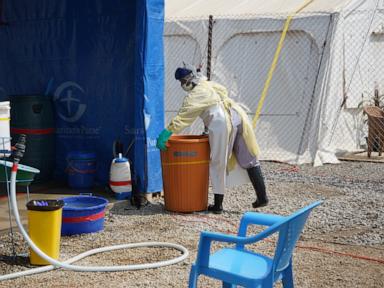
It's a less common strain of Ebola, and right now, there is no approved vaccine or specific treatment available for it. Medical teams can't just set up ring vaccination sites to shield vulnerable communities. Instead, they are forced to rely entirely on supportive care—hydration, managing secondary infections, and keeping patients comfortable in isolation units.
The virus spreads through direct contact with the bodily fluids of an infected person or animal, as well as contaminated surfaces like bedding and clothing. Without a pharmaceutical shield, containment requires flawless contact tracing and immediate isolation, two things that are currently impossible to achieve in the region.
Healthcare Under Fire and Staff Walking Out
The epicenter of this crisis is Ituri province, a region in eastern Congo that has been battered by rebel violence for years. Active conflict makes tracking a deadly pathogen almost impossible.
Local responders face intense hostility. Misinformation, skepticism, and rumors have led to at least 12 direct attacks on health facilities and medical teams. When communities don't trust outside medical workers, rumors spread that the treatment centers are actually causing the disease.
To make matters worse, the system is breaking down from within. Frontline healthcare workers have walked off the job to protest a lack of payment. They are putting their lives on the line for nothing. At least 36 health workers have contracted the virus and died while trying to manage the influx of patients.
Flying Blind Against Unknown Transmission Chains
The most alarming update comes from the World Health Organization. The WHO revealed that roughly 80% of new Ebola cases are emerging from unknown chains of transmission.
Basically, health officials don't know who is infecting whom.
When a person tests positive, tracers try to find everyone that patient interacted with. Right now, four out of five new patients have no known connection to previous cases. This means the virus is circulating undetected deep within communities, far faster than health officials can track it.
Congo's Health Ministry says it has 724 patients currently in isolation and hospitals. While they managed to record 22 new recoveries in a 24-hour period, those small victories are being drowned out by the sheer velocity of new infections.
What Must Change Immediately
Containing this crisis requires an immediate shift in strategy from international and domestic agencies.
- Fund the Frontline: The Congolese government must immediately pay the back-wages of local healthcare workers to bring them back to clinics and isolation centers.
- Shift to Localized Engagement: Top-down messaging isn't working. Aid organizations need to stop relying on heavy-handed security details and start working exclusively through trusted local community leaders, pastors, and elders to dispel rumors.
- Fast-track Bundibugyo Research: Regulatory bodies and international laboratories need to accelerate trials for Bundibugyo-specific therapeutics, using the same emergency pathways established during previous global health crises.
Without these adjustments, the outbreak will continue to outrun the response, putting millions of lives at risk across Central Africa.