Ramesh doesn’t sleep. Not really. He spends his nights in a rented room in Delhi, the walls sweating with humidity, his ears tuned to the rhythmic, frantic scurrying of insects behind the plaster. He calls them his roommates. When he isn't dodging these tiny, unwanted tenants, he is staring at a stack of exam preparation books that feel heavier than the city itself.
Ramesh is twenty-two. He is one of millions. He represents a specific, aching hunger that defines the modern Indian youth: the desperate, clawing need to climb.
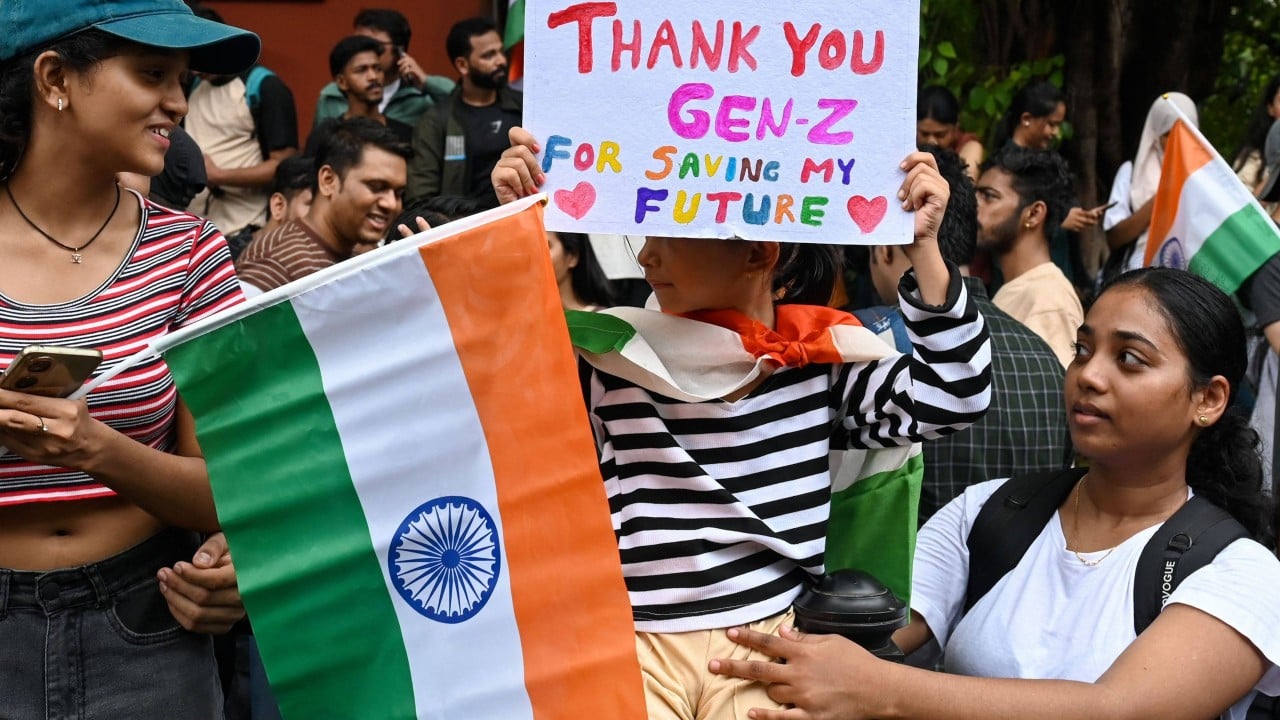
When reports surfaced about protesters wearing cockroach costumes, the media chuckled. It seemed like a prank, a bit of performance art gone viral. But look closer. Look at the people under those masks. They aren't mocking the system; they are mirroring it. To the bureaucrat, to the gated-community resident, to the architect of the status quo, the young job-seeker is a pest. They are swarming, they are persistent, and they are inconvenient.
They are everywhere. And they are being stepped on.
The Architecture of Stagnation
We are told that if we work hard, the doors will open. That is the myth we are fed with our mother’s milk. Study hard, get the degree, pass the competitive exam, and find your place in the sun. But in reality, the doors aren't just closed; they are welded shut.
Consider a hypothetical student, Anjali, living in a cramped flat in Patna. She studies sixteen hours a day. She knows the history of the constitution, the complexities of macroeconomics, and the intricacies of engineering. She is brilliant. She is prepared. When she travels for an exam, she finds that the paper has been leaked, or the exam has been canceled due to administrative mismanagement, or the government post she applied for hasn't been filled in four years.
She is running on a treadmill that someone else is controlling, and every time she picks up speed, they turn the dial back to zero.
This isn't just a failure of policy. It is a fundamental collapse of the social contract. When the path to advancement is obstructed by systemic corruption, bureaucratic lethargy, and a complete lack of accountability, the result isn't just unemployment. It is the death of ambition.
The Weight of the Invisible
People talk about unemployment rates as if they are just lines on a graph. They aren't. They are human years. Each percentage point represents a sunset watched in silence, a wedding postponed, a parent’s medical bill left unpaid, a dream quietly folded up and put in a drawer.
When protesters adopt the imagery of the cockroach, they are expressing the sensation of being treated as vermin. A cockroach is something you swat away without a second thought. It is something you ignore until it becomes a nuisance. By claiming this identity, these young people are forcing the public to confront a mirror. If you see us as pests, they seem to ask, why did you create an environment where only pests can survive?
The social mobility crisis is not that people aren't trying. It is that the ground is shifting beneath them. The cost of living in cities has skyrocketed, while the quality of public infrastructure continues to crumble. The digital divide ensures that while some can skip over the hurdles using inherited wealth or elite connections, the rest must crawl through the muck.
The Breaking Point
There is a specific kind of silence that falls over a room when a young person realizes they have been defeated by a system they were told would protect them. It’s a cold, hollow sound. It is the sound of a country losing its future.
History has shown us that when the youth lose hope, the foundation of the state begins to crack. When you have a generation that is highly educated but lacks a productive outlet for that education, you don't get innovation. You get frustration. You get a buildup of pressure that, sooner or later, must find a release.
These cockroach protests are not about jobs anymore. They are about dignity. They are about the right to exist in one's own country without feeling like a foreign invader in a space designed for someone else.
The Long Road Ahead
I have sat in those cramped rooms. I have felt the humidity of disappointment. I know the paralyzing fear of looking at a bank account that doesn't move and a resume that no one reads. I have felt the urge to put on a mask and scream at the sky, just to see if anyone is actually listening.
The system relies on our fatigue. It counts on the fact that eventually, we will get tired, we will stop protesting, we will lower our heads, and we will find a way to disappear into the background. It wants us to accept that the cockroach is our natural state.
But there is a fire that burns when you have nothing left to lose. It is a quiet fire, but it is steady. It doesn't need to be loud to be seen.
The next time you see a headline about a protest, don't look for the punchline. Don't look for the irony. Look at the eyes behind the mask. You might see a reflection of your own uncertainty. You might see the face of someone who is simply tired of being stepped on.
The walls of that room in Delhi are still thin. The insects are still there, scurrying in the dark. But Ramesh is still awake. He is still writing. He is still pushing against the concrete, waiting for the crack to widen, waiting for the day when the weight above him finally gives way.
He is not going anywhere. And for the sake of the future, we should be terrified that he doesn't have to.


