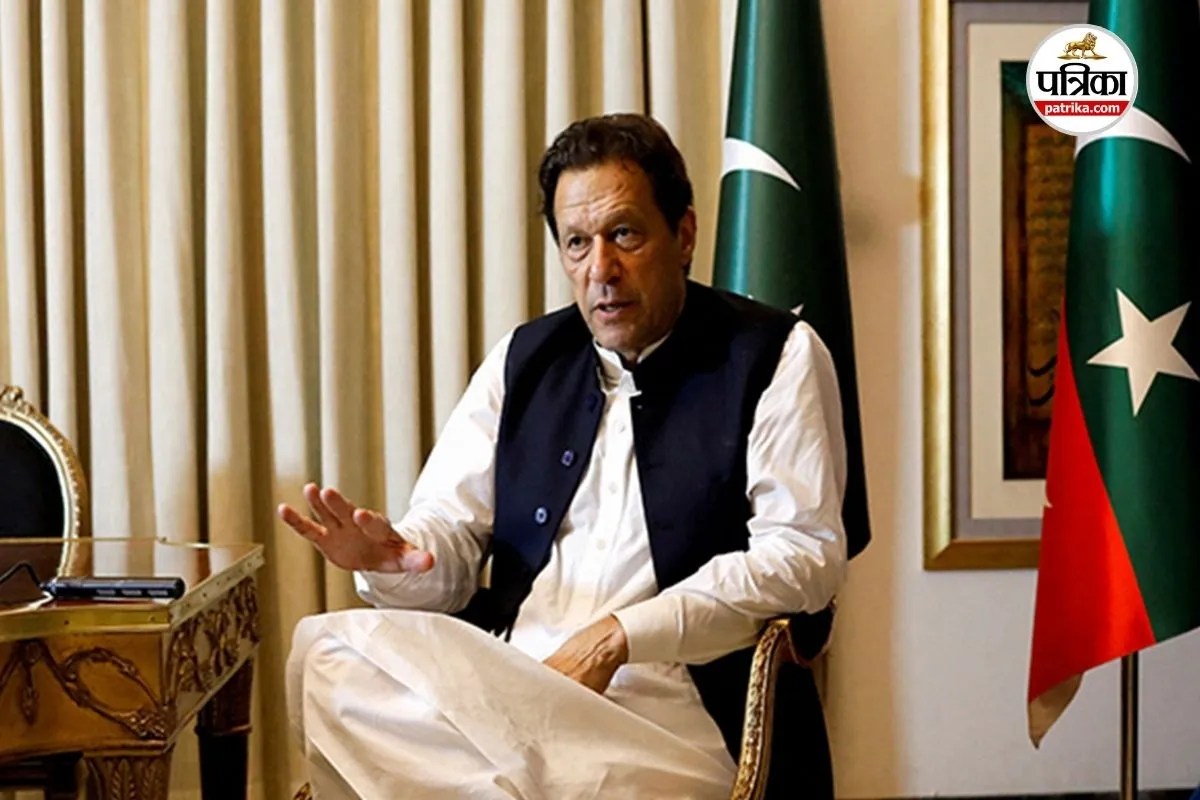
Opposition claims that jailed former prime minister Imran Khan faces pressure toward a Nawaz Sharif or Benazir Bhutto style exile deal expose a structural test of power between Pakistan's ruling apparatus and its most popular mass movement. Understanding whether Khan leaves the country requires separating political signaling from historical precedent and evaluating the real incentives inside Adiala Jail.
What the Opposition Claim Actually Establishes
When National Assembly opposition leader Mahmood Khan Achakzai warned that authorities are pressuring Imran Khan into an arrangement reminiscent of the past departures of Nawaz Sharif and Benazir Bhutto, the claim functioned as political warfare rather than proof of a signed accord. No official confirmation exists of an exile agreement involving Khan. Even so, the comparison frames a recognizable tactic in Pakistani statecraft: removing a polarizing political figure from domestic mobilization to lower immediate street volatility.
In political analysis, a statement by an opposition leader about secret coercion is a known fact as an event, whereas the existence of a concrete exile offer remains an educated hypothesis until corroborated by credible leaks, third-party mediators, or visible shifts in custody terms. Treating opposition rhetoric as an accomplished deal distorts the bargaining table. Opposition leaders have their own tactical reasons to invoke exile: it rallies skeptical allies, spotlights alleged pressure on a detained leader, and frames negotiations around constitutional rights and prisoner access.
The Historical Precedents Are Not Identical
Popular commentary frequently lumps Nawaz Sharif and Benazir Bhutto into a single "exile playbook," yet their departures operated under different legal and political mechanics. Conflating them obscures why a repeat performance is far harder to engineer today.
- Nawaz Sharif's 2000 Departure: Following General Pervez Musharraf's October 1999 coup and Sharif's arrest, Sharif left for Saudi Arabia in December 2000 under a mediated arrangement tied to a multi-year period away from Pakistan and political office. That episode involved direct military rule, custodial leverage, and external diplomatic guarantees.
- Benazir Bhutto's Years Abroad: After President Farooq Leghari dismissed her government in November 1996 and the Pakistan People's Party lost the February 1997 election, Bhutto spent extended periods living outside the country, including in Dubai and London, while contending with domestic legal cases and leading her party from afar. Her time abroad reflected prolonged political and legal attrition rather than a single coup-era exile bargain identical to Sharif's.
The first analytical flaw in standard commentary is treating both cases as interchangeable. A negotiated banishment brokered after a direct military takeover differs fundamentally from years of self-directed or litigation-shadowed residence abroad.
The Four Variables of a Forced-Exile Equation
To evaluate whether coercive pressure in detention can convert into an exile deal, analyst frameworks must weigh four competing variables rather than relying on historical nostalgia.
- Custodial Leverage: Prolonged incarceration, restricted access, and health anxieties raise the personal cost of remaining behind bars. Reports of Khan's multi-year imprisonment in Adiala Jail, health warnings regarding vision and blood pressure, and appeals over medical care for himself and Bushra Bibi show how physical strain enters the calculus. Yet high personal cost does not automatically produce concession when a leader treats capitulation as political suicide.
- Information Velocity: Earlier eras of Pakistani politics operated with slower media cycles and tighter broadcast bottlenecks. Today, clips, legal filings, and protest calls circulate rapidly across domestic and diaspora networks, making quiet removal far harder to disguise as routine stabilization.
- Mobilization Elasticity: A leader's bargaining power depends on whether supporters can convert grievance into sustained street pressure or electoral disruption. Crackdowns, cordoned roads, and arrests raise the cost of protest, which can dampen immediate crowds while still preserving underlying resentment.
- Credible Enforcement: Any exile arrangement requires enforcement mechanisms that both sides believe will hold. If a detained leader doubts that stepping onto a plane will end legal jeopardy or protect family and party cadres, the incentive to accept exile drops sharply.
Cause-and-Effect Chains Standard Coverage Misses
Surface-level reporting often assumes a simple sequence: state applies pressure, jailed leader accepts exile, tension subsides. In practice, each step triggers secondary effects that can backfire on the party initiating the move.
The first mechanism involves martyrdom versus management. Keeping a prominent leader in prison under contentious conditions invites recurring judicial battles, rights scrutiny, and periodic rallies. Paradoxically, sending a defiant leader abroad can solve one problem while creating another: it removes a physical focal point inside the country, yet it frees the figure from direct custodial control to speak, lobby foreign capitals, and coordinate messaging without prison censorship.
The second mechanism centers on institutional credibility. When courts issue orders on access or medical care and implementation is disputed or delayed, the friction shifts from a routine criminal docket to a broader debate over rule of law. An exile deal negotiated outside transparent legal channels reinforces the perception that politics, not settled law, governs outcomes.
Consider a stylized bargaining scenario. Suppose state managers offer a detained leader safe passage abroad in exchange for stepping back from active agitation. If the leader refuses, prolonged detention continues to generate legal and political friction. If the leader accepts, supporters may view the departure either as a pragmatic survival move or as a breach of hardline rhetoric, fracturing unity while leaving unresolved grievances in the provinces. Neither path guarantees quiet governance.
Why a Deal Remains Uncertain and What Limits Any Strategy
No clean equilibrium exists in a high-stakes standoff between an entrenched state apparatus and a mass populist movement. Even if backchannel contacts occur, hardline positions on both sides narrow the zone of agreement. Khan's public posture has emphasized resisting compromise and seeking judicial remedies for detention and health conditions rather than asking for political clemency. Meanwhile, the government maintains that legal proceedings follow due process and security rules.
Every strategic option carries sharp limitations:
- Indefinite Incarceration: Holding a high-profile detainee long term contains immediate domestic assembly, but it sustains legal disputes, health controversies, and recurring protest flashpoints.
- Brokered Exile: Removing a leader from the territory may reduce immediate street mobilization around rallies, yet it risks turning the exiled figure into an unconstrained external critic and drawing scrutiny over backroom deals.
- Political Negotiation: Engaging opposition demands on prisoner access, institutional norms, and provincial governance can lower temperature, but it requires concessions that hardliners on either side may reject.
Tactical Steps for Tracking Real Movement
Observers tracking whether exile pressure turns into an actual exit should look past speeches and monitor concrete operational signals in sequence.
- Audit Third-Party Mediation Clues: Watch for verified diplomatic or intermediary involvement rather than domestic partisan claims, since high-stakes departures in Pakistan's history have hinged on external guarantees or quiet backchannels.
- Track Medical and Custodial Rulings: Compare court directives on hospital access, family visits, and legal counsel against actual implementation on the ground. Sudden shifts in access or medical transfers often precede broader tactical adjustments.
- Monitor Party and Provincial Bargaining: Observe whether opposition figures shift from demanding constitutional and judicial relief to negotiating exit terms or assembly boycotts.
- Separate Legal Docket Noise from Exit Mechanics: Over a hundred pending cases create constant headlines, but an exile arrangement requires a specific mechanism addressing travel permissions, sentences, and post-departure conduct.
The most probable near-term trajectory is continued high-friction stalemate—marked by legal battles, contested custody conditions, and periodic opposition pressure—rather than an imminent Nawaz-style exile, unless a severe health shock or an unexpected external guarantor alters the risk calculation for both sides. For analysts and decision-makers watching the crisis, the decisive indicator to track next is not rhetoric on the assembly floor, but whether verifiable changes occur in Khan's medical access, visitation rights, and court compliance inside Adiala Jail.