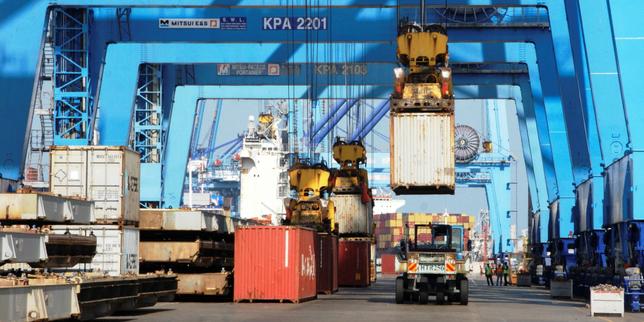
Global shipping giants don't drop 700 million euros on a whim. When Rodolphe Saadé, the chief executive of CMA CGM, signed a massive cooperation framework at the Africa Forward Summit in Nairobi, it caught a lot of people off guard. This isn't just another routine corporate expansion. It's a calculated, heavy-hitting move to secure the most critical maritime gateway in East Africa.
For years, talk about African port infrastructure revolved around Chinese state-backed loans and massive state-engineered megaprojects. France just flipped the script. Backed by the presence of French President Emmanuel Macron and Kenyan President William Ruto, CMA CGM committed this staggering capital to modernize and expand two major container terminals at the Port of Mombasa. If you think this is just about stacking boxes more efficiently, you're missing the bigger picture. This investment reshapes how goods move into landlocked countries like Uganda, Rwanda, South Sudan, and parts of the Democratic Republic of Congo.
The timing matters. The Port of Mombasa has been straining under its own success. The facility is operating dangerously close to its physical limits. By stepping in with private capital, CMA CGM is positioning itself as the primary architect of East Africa's supply chains. It's an aggressive play that tells us exactly where global trade routes are shifting.
The Sudden Shift in East African Maritime Power
The trade volume moving through Kenya is exploding. Last year alone, Mombasa handled 2.11 million twenty-foot equivalent units, which is a 5.5 percent jump compared to the previous year. That sounds great on a government balance sheet. In reality, it means congestion, truck delays, and mounting demurrage fees for companies trying to move cargo inland. The port was choking.
CMA CGM has been active in Kenya since 2005. They know the bottlenecks intimately. Instead of merely running ships to the coast and leaving the ground logistics to local operators, the French shipping heavyweight wants total end-to-end control. They aren't just investing in cranes. They are integrating maritime routes with inland corridors through their subsidiary, CEVA Logistics.
This 700 million euro deal directly targets the renovation of two core terminals. We are talking about berths 20 to 22 at Container Terminal II and berths 23 to 24. These are the premium assets of the Kenya Ports Authority. By taking a direct stake in these terminals, the company ensures its own mega-ships get priority handling, faster turnaround times, and predictable scheduling. It leaves competing shipping lines scrambling for whatever capacity remains.
Why Mombasa Port is Running Out of Room
To understand why this cash injection is necessary, look at the geography of the Northern Corridor. Mombasa isn't just a Kenyan asset. It is an economic lifeline for over 100 million people living in landlocked East African nations. When a terminal in Mombasa slows down, businesses in Kampala and Kigali feel the shockwaves within days.
The traditional state-funded model for port management in Kenya has hit a wall. High national debt limits the government's ability to borrow billions for infrastructure upgrades. Meanwhile, regional competition is intensifying. Tanzania's Port of Dar es Salaam has been aggressively courting regional traders, trying to siphon off business from the Northern Corridor.
Kenya couldn't afford to wait for public funds to materialize. The pressure on berths 20 through 24 was becoming unsustainable. Ships were waiting out at sea for spots to open up. Cargo handling speeds were lagging behind global standards. By letting a private global operator inject direct cash into terminal upgrades, Kenya gets a world-class facility without adding to its sovereign debt burden.
The Reality of Kenya's New Landlord Port Model
This deal marks a fundamental shift in how Kenya manages its national infrastructure. The National Treasury recently opened up several key assets to private investment. They are transitioning to a landlord port model. Under this setup, the government keeps ownership of the land, but private companies manage, equip, and run the actual operations.
Many local political factions view this change with skepticism. Critics worry about a loss of strategic sovereignty over national assets. But the hard truth is that modern shipping requires scale that governments struggle to provide. CMA CGM brings immediate access to global logistics networks, advanced terminal operating systems, and a massive fleet of vessels that can guarantee consistent cargo volumes.
The investment isn't limited to physical berths. The capital will fund advanced automated container handling systems, deeper dredging to accommodate larger vessels, and improved rail links to the Standard Gauge Railway. It is a complete operational overhaul masquerading as a terminal upgrade.
Geopolitical Rivalries and the Race for Logistics Control
You can't look at this investment without seeing the geopolitical chess board. For the past two decades, Chinese firms dominated East African infrastructure development. They built the roads, financed the railways, and constructed the newer sections of the ports. European players were largely left on the sidelines.
This agreement changes that dynamic entirely. The French government backed this deal heavily, using the Africa Forward Summit as a platform to reassert European economic influence on the continent. It represents a direct alternative to state-to-state debt models. This is private corporate investment tied to commercial viability, not diplomatic loans.
CMA CGM is executing this strategy across the entire continent. Look at their recent moves. They opened a massive regional office in Abidjan, Côte d'Ivoire. They are heavily invested in the Kribi Container Terminal in Cameroon alongside Africa Global Logistics. In Nigeria, they are driving operations at the Lekki Deep Sea Port. By anchoring themselves in Mombasa, they have officially completed a pincer movement, locking down dominant logistical positions on both the Atlantic and Indian Ocean coasts of Africa.
Green Shipping Meets East African Trade
The infrastructure upgrade coincides with a massive push toward environmental compliance. Global shipping lines are facing strict international mandates to eliminate carbon emissions. This isn't just happening in Europe or North America. It is hitting East African shores right now.
Just weeks after the investment framework was signed, the Port of Mombasa received the CMA CGM Adventure. It was the very first large, gas-powered container vessel to dock at a Kenyan port. This ship runs primarily on Liquefied Natural Gas instead of heavy fuel oil. Measuring 268 meters long with a capacity of 7,378 twenty-foot equivalent units, its arrival proved that Mombasa can handle next-generation, sustainable vessels.
The Kenya Ports Authority is scrambling to match this shift by implementing its own Green Ports Policy. They are installing solar energy arrays across the port facilities, deploying hybrid cargo-handling yard cranes, and planning shore-power connections. These systems allow docked ships to turn off their diesel engines and plug directly into the local electrical grid. If a port cannot offer these green capabilities, modern shipping lines will eventually stop calling there. The 700 million euro investment ensures Mombasa won't get left behind in the global decarbonization drive.
Actionable Steps for Logistics Managers and Importers
If you operate supply chains in East Africa, you need to adjust your strategy immediately to account for this influx of capital and operational restructuring. The days of treating Mombasa as a slow, unpredictable bottleneck are ending.
First, re-evaluate your shipping line partnerships. Operators tied directly to CMA CGM and its alliance partners are going to see significantly faster terminal turnaround times in Mombasa over the coming months. If you are using smaller, independent lines, prepare for potential delays as priority berths favor the firms investing in the infrastructure.
Second, integrate your maritime freight with inland rail options. Part of this massive corporate investment involves synchronizing terminal operations directly with the Standard Gauge Railway and inland dry ports. If you are still relying solely on long-haul trucking fleets to move containers from Mombasa to Kampala, you are exposed to unnecessary border delays and fuel price volatility. Streamline your operations by booking through integrated multimodal corridors that link the port directly to inland distribution hubs.
Third, prepare for stricter green logistics requirements. As modern LNG-powered ships become the standard at Mombasa, large multinational corporations will start auditing the carbon footprint of their entire regional supply chain. Begin tracking your inland transport emissions now. Partner with logistics providers who use modernized fleets or hybrid handling equipment. Staying ahead of these environmental compliance metrics will protect your access to major international markets.