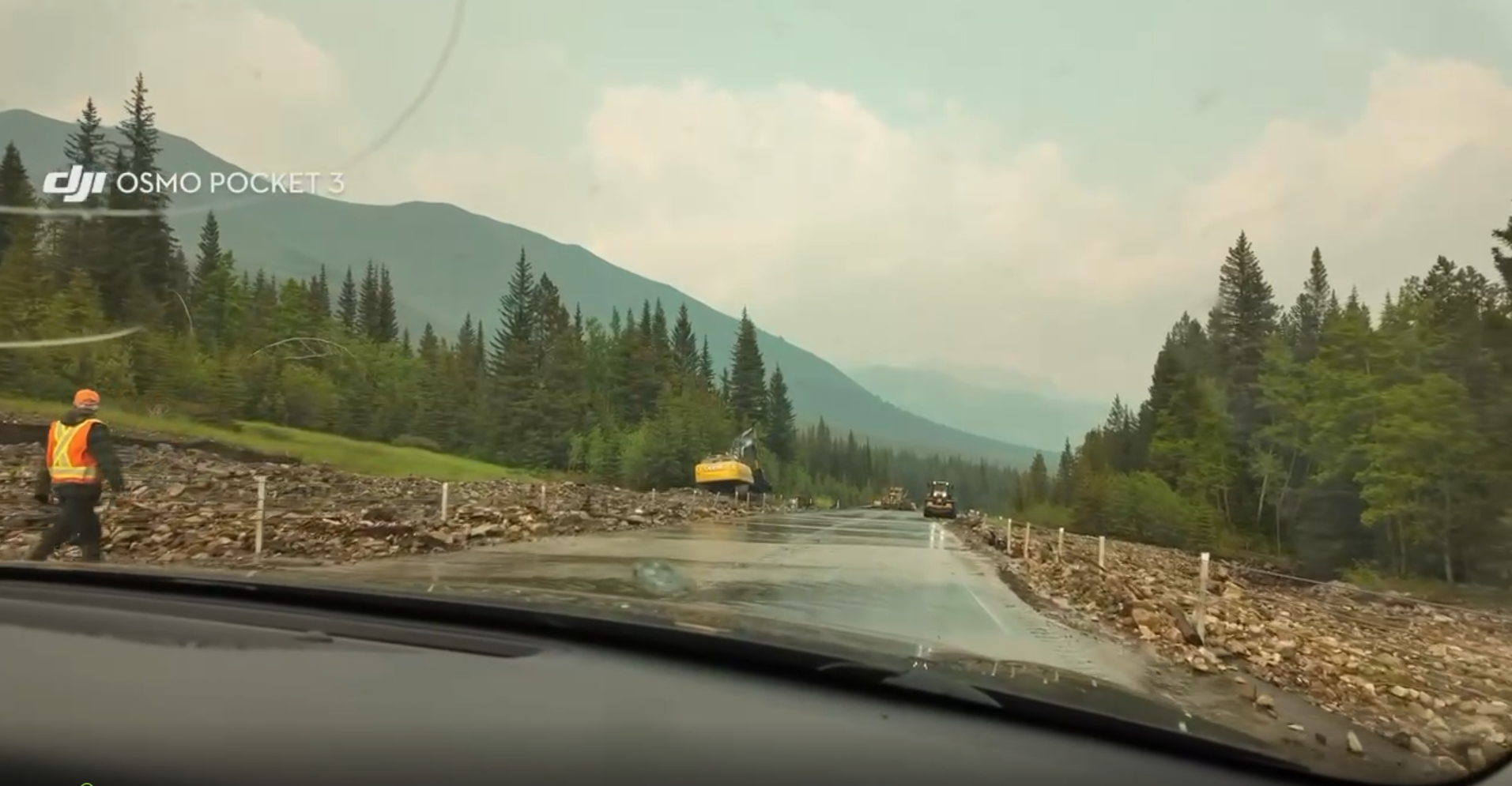
The heavy machinery is already idling in the gravel pits of Kananaskis Country. Local news outlets are running their predictable, hand-wringing segments showing washed-out access roads, displaced boulders, and muddy torrents cutting through backcountry campgrounds. The narrative is always identical: nature broke something, and human ingenuity must rush in with bulldozers, dump trucks, and millions of taxpayer dollars to fix it.
This entire premise is fundamentally flawed.
The rush to "clean up" Kananaskis after a major rainfall event is not environmental stewardship. It is an expensive, short-sighted exercise in ecological denial. By treating a standard mountain hydrological event as a municipal crisis, province-level infrastructure managers and park authorities are actively degrading the very ecosystem they claim to protect.
We need to stop fixing the rivers. We need to let the debris pile up.
The Myth of the Broken River
Every time the skies open over the front ranges of the Canadian Rockies, the collective panic button gets pushed. Media reports treat the resulting debris torrents as natural disasters. But to a sub-alpine river system, an extreme flood is not a disaster. It is a biological necessity.
For decades, geomorphologists and river ecologists have documented the role of high-energy floods in maintaining river health. When a creek in Kananaskis bursts its banks, it tears down old, dying stands of lodgepole pine, mobilizes tons of gravel, and carves new channels. This is not destruction; it is dynamic equilibrium.
The immediate reflex of park management is to deploy heavy equipment to dredge channels, straighten banks, and arm-coat the shores with massive limestone rip-rap. They call it stabilization. In reality, it is a death sentence for river biology.
Straightening a mountain stream increases its velocity. When you pin a river into a permanent, engineered channel to protect a parking lot or a trailhead, you simply transfer that hydraulic energy downstream. The water moves faster, hits the next bend with greater force, and causes worse erosion further down the valley.
Furthermore, clearing woody debris—the fallen logs and root wads that look like messy blockages to the untrained eye—destroys critical trout habitat. Bull trout and cutthroat trout rely on these messy, chaotic logjams to create deep, cool pools for spawning and taking refuge from fast currents. When we clean up the river for the sake of aesthetics and human convenience, we effectively pave over the nursery rooms of the eastern slopes.
The Backcountry Contractor Welfare State
I have watched public agencies dump millions into the same stretches of mountain road every few seasons. It is an endless cycle of capital expenditure that benefits heavy civil construction companies far more than it benefits the public or the environment.
Consider the economics of mountain infrastructure. We build asphalt roads and concrete bridges deep into high-energy alluvial fans. When the mountains inevitably push back, we declare a state of emergency and award lucrative, sole-source contracts to haul gravel back to where it just washed away from.
Imagine a scenario where a private business repeatedly rebuilt a storefront on an active railway track, only to act surprised and demand government bailouts every time a train passed through. We would call it financial madness. Yet, when Alberta Parks does the exact same thing in a known flood zone, we call it resilience.
The 2013 floods should have been the ultimate wake-up call for the Bow Valley and Kananaskis. Instead, hundreds of millions were spent putting things back exactly where they failed. Roads like the Smith-Dorrien Trail and various day-use access routes are built on shifting gravel deposits that want to move. Trying to anchor them permanently is an exercise in futility that costs the public purse millions annually.
The Flawed Premise of Human Access
The most common defense of aggressive flood cleanup operations is public access. The argument states that if we do not clear the trails, rebuild the footbridges, and repair the access roads immediately, the tourism economy will collapse and Albertans will be locked out of their own backyard.
This argument treats Kananaskis Country like a manicured urban park rather than a wild, protected area.
Wilderness access is not an entitlement; it is a privilege dictated by geography and climate. When a trail washes out, the correct response is often to leave it washed out. If a route becomes impassable to casual hikers because a creek changed its course, that trail should transition into a primitive route for experienced backcountry users.
By sanitizing the backcountry after every storm, we encourage a dangerous disconnect between recreationists and the reality of the landscape. Mountains are unstable, eroding piles of rock. They change overnight. Forcing them to remain static so that a crossover SUV can park within fifty feet of a pristine alpine river is a corruption of the entire concept of a provincial park.
A Better Way Forward
We need to adopt a philosophy of strategic retreat. If we want to save both taxpayer money and the ecological integrity of Kananaskis, we must implement three immediate shifts in how we handle post-flood management.
1. De-engineer the Alluvial Fans
Stop fighting the natural movement of water on gravel flats. Where infrastructure intersects active creeks, we must replace restrictive culverts and low-clearance bridges with wide, clear-span structures that allow rocks and trees to pass underneath unobstructed. If a road cannot be elevated or spanned cleanly, the road needs to be decommissioned and moved to high ground, or abandoned entirely.
2. Redefine Damage
We must alter how park agencies report on weather events. A washed-out trail should be logged as an altered trail, not a damaged one. The public needs to understand that a river changing its path is a sign of a healthy, functioning watershed, not an administrative failure that needs fixing.
3. Establish Permanent No-Intervention Zones
Large swaths of Kananaskis should be designated as zero-maintenance zones where heavy machinery is legally barred from entering watersheds after flood events. Let the rivers braided, let the logs pile up, and let the landscape dictate where the new trails will naturally form over time.
The Downside of Stepping Back
Adopting this hands-off approach comes with real consequences that critics will immediately weaponize. It means fewer parking spots at popular trailheads. It means some iconic hikes will become significantly harder, requiring river fords instead of tidy wooden bridges. It means the tourism capacity of certain valleys will decrease.
That is a price worth paying.
The current model of aggressive post-flood intervention is a losing battle against gravity and hydrology. We are spending immense amounts of money to turn dynamic mountain wildlands into fragile, high-maintenance theme parks. The next time the heavy rains fall on Kananaskis, the best thing we can do for the long-term health of the region is to leave the keys out of the bulldozers and let the water do its work.