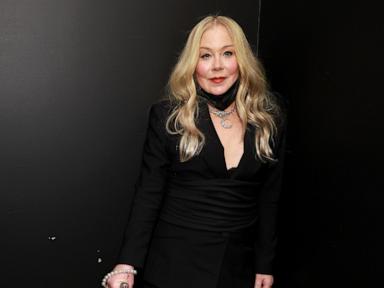
Finding out the major medical label you’ve carried for years is entirely wrong sounds like a relief. For Christina Applegate, it was anything but. When her medical team walked in and said congratulations because she didn't have multiple sclerosis, she wasn't happy at all.
Instead of popping champagne, she felt stranded. Her physical reality hadn't changed. Her daily pain, mobility struggles, and exhaustion remained completely intact.
Medical misdiagnoses happen way more often than people think. But when a public figure builds an entire identity, advocacy platform, and daily coping mechanism around a specific chronic illness, the rug gets pulled out in a brutal way.
The Trap of Having a Label
When Applegate first shared her multiple sclerosis diagnosis back in 2021, it gave her an anchor. Anyone dealing with chronic, mysterious symptoms knows the strange comfort of an official name for their suffering. It provides a reason why a simple Tuesday feels like climbing Mount Everest.
You find a community. You find a rhythm. You stop gaslighting yourself into thinking you're just lazy or stressed.
Then a doctor reviews newer cell tests or scans and tells you that label was wrong. Applegate noted that she felt like she let people down. She had become a prominent voice for others navigating the exact same disease. Losing that diagnosis meant losing her rationale. It meant going right back to square one with zero answers.
Why Complex Conditions Trick Doctors
Multiple sclerosis is notoriously tricky to pin down. There is no single blood test that spits out a definitive yes or no. Neurologists rely on ruling out other possibilities, analyzing brain lesions, tracking symptoms, and piecing together a massive puzzle.
Medical science loves neat boxes. Human bodies refuse to stay inside them.
When symptoms overlap across multiple autoimmune or neurological conditions, misdiagnoses thrive. Recent studies point to notable error rates in complex neurological evaluations. Patients spend years adapting their lives, careers, and treatments to fit a disease profile they never actually had.
The Heavy Toll of Being Back at Square One
Being told you don't have a specific disease doesn't cure your symptoms. Applegate still deals with severe mobility issues, requiring a wheelchair or cane to get around.
Taking away the label doesn't take away the physical friction of living. It just strips away the explanation.
This leaves patients in a psychological tailspin. People start second-guessing their own physical experiences. They wonder if they somehow faked their own reality or misled the people around them. The truth is simpler and harsher. The medical system got it wrong, but the patient's pain was always real.
Investigating alternative paths, from unusual systemic triggers to potential complications like breast implant illness, opens up a whole new round of medical exhaustion. Getting a wrong diagnosis corrected is supposed to feel like progress. Often, it just feels like the ground opening up beneath your feet.
The medical community needs to talk more about what happens after a major misdiagnosis. Fixing the paperwork is the easy part. Helping a person rebuild their sense of reality after years of living under a false medical flag takes a lot longer.
Christina Applegate & Jamie-Lynn Sigler Describe Initial MS Symptoms | Conan O'Brien Needs A Friend
This video provides an authentic look into how Applegate and her close friend navigated the daily realities and early confusion of their health journeys together.