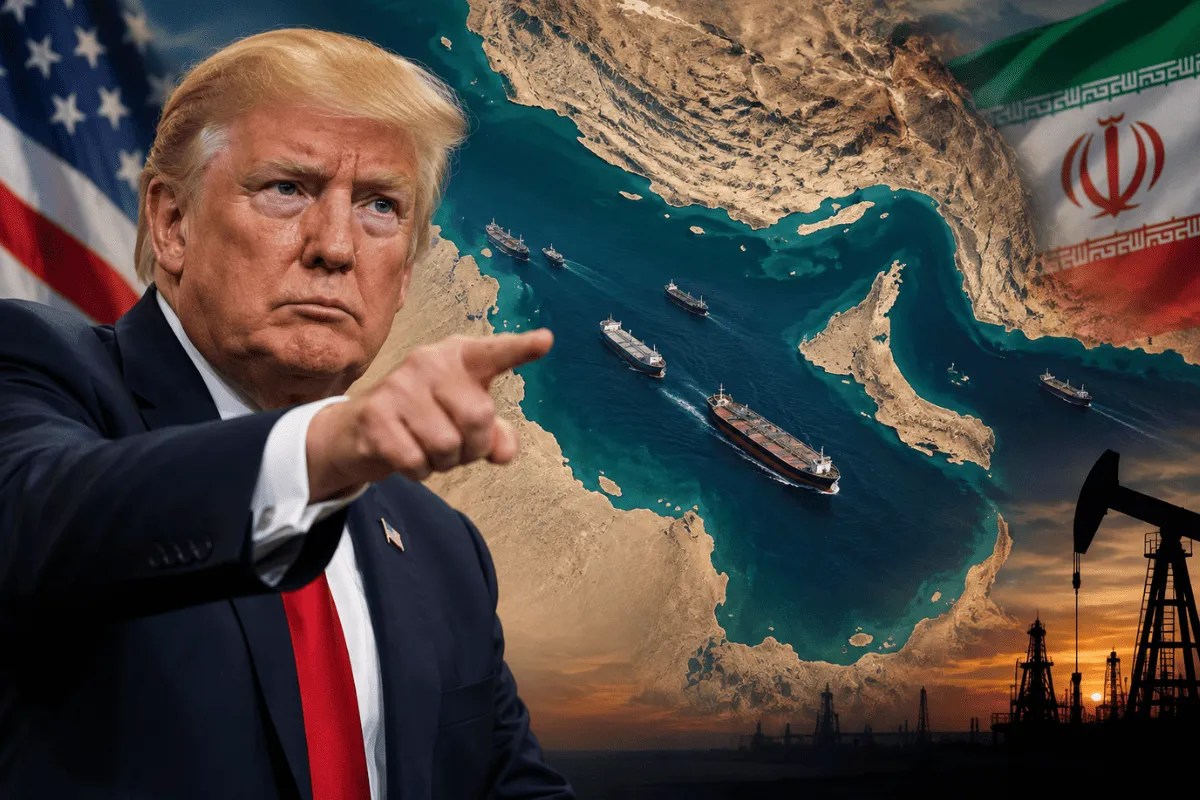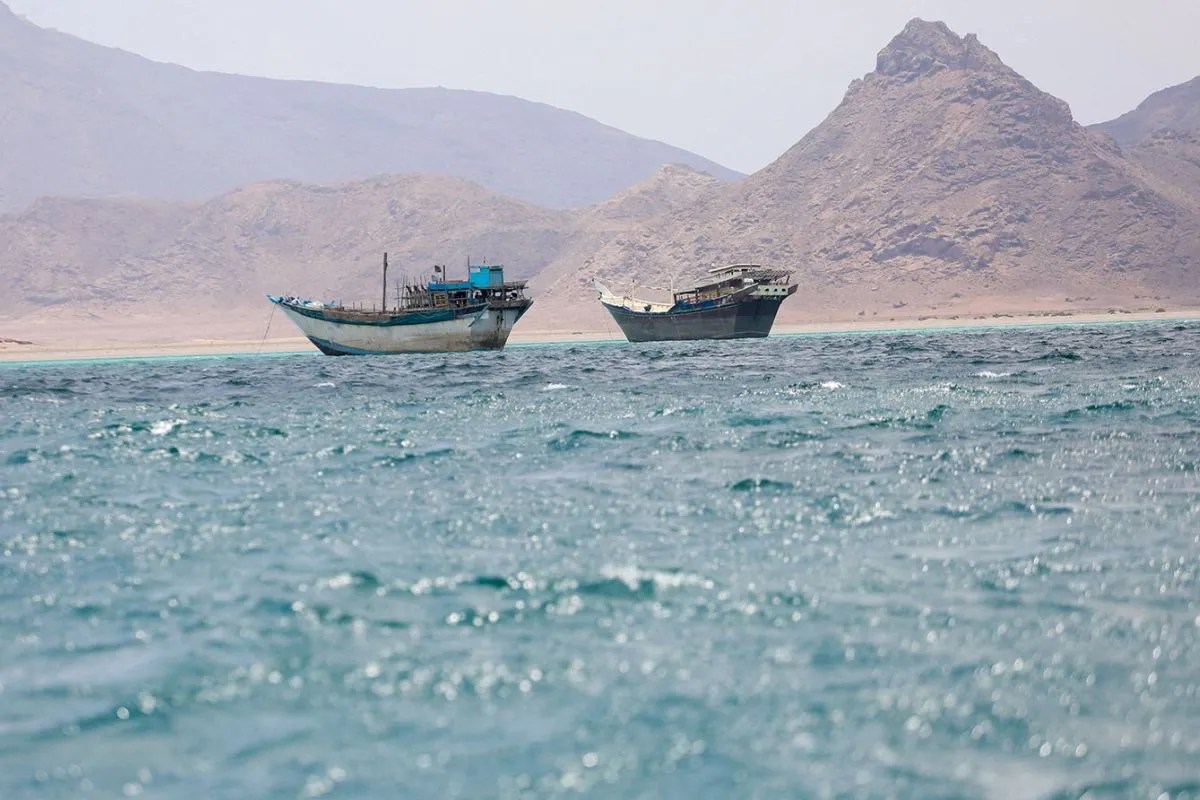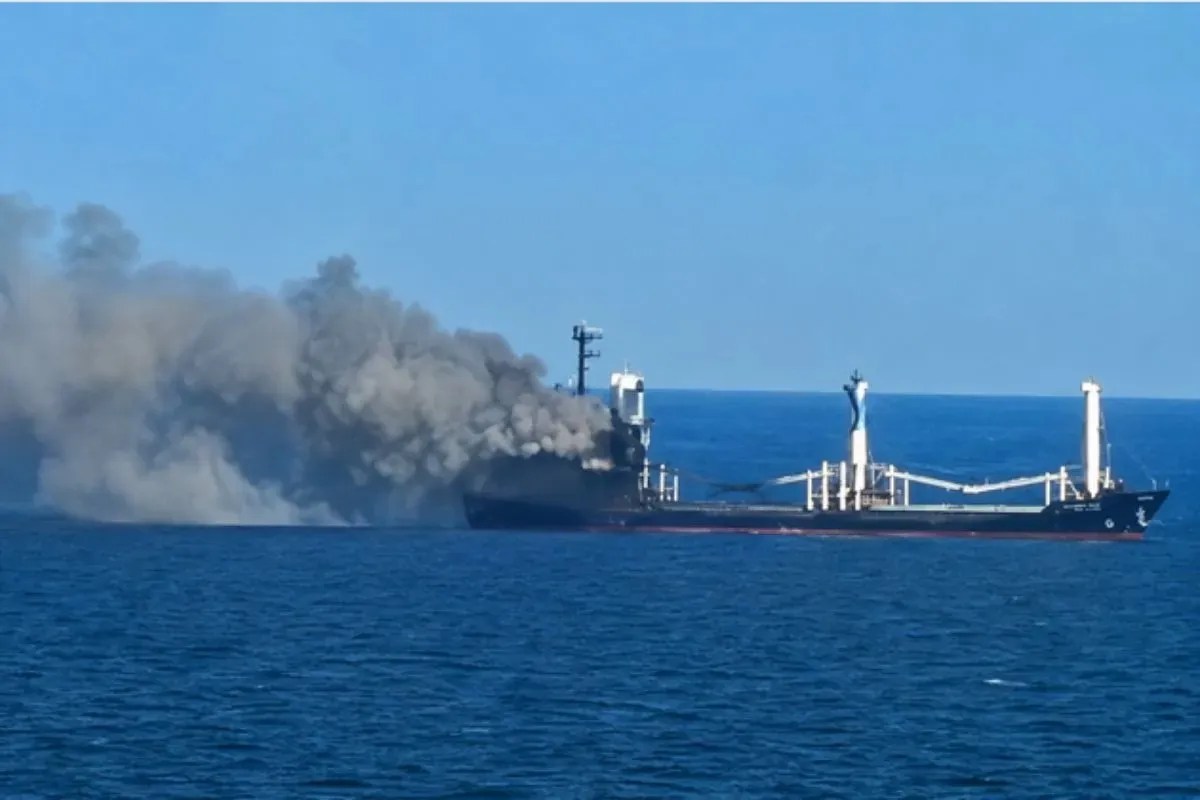
Maritime transit through the Strait of Hormuz operates within a compressed geopolitical bottleneck where roughly a fifth of global petroleum consumption converges. Recent advisories issued by the United Kingdom Maritime Trade Operations (UKMTO) document an escalating frequency of kinetic strikes, projectile impacts, and marine mine detonations affecting commercial crude and product tankers. Rather than treating these events as isolated operational anomalies, strategic assessment requires evaluating them through a structured framework of supply chain exposure, risk cost functions, and naval choke-point mechanics.
The Architecture of Chokepoint Risk
The Strait of Hormuz is approximately 21 nautical miles wide at its narrowest point, with inbound and outbound shipping lanes each only two miles wide, separated by a two-mile buffer zone. This narrow geographic corridor creates three systemic vulnerabilities for international shipping: For a deeper dive into this area, we suggest: this related article.
- Spatial Compression: Vessels are forced into predictable, narrow traffic separation schemes, maximizing targeting efficiency for shore-based anti-ship missiles, asymmetric fast-attack craft, and deployed naval mines.
- Alternative Route Inelasticity: Unlike the Bab el-Mandab strait, which connects to alternative overland pipelines or lengthy detours with manageable friction, the Persian Gulf has virtually no high-capacity bypass infrastructure for its massive volume of oil and liquefied natural gas exports.
- Information Asymmetry: Commercial vessels navigating the corridor must reconcile conflicting navigational directives issued by coalition naval forces, flag states, and regional actors enforcing transit corridors.
When kinetic incidents occur within this environment, the operational impact extends far beyond immediate hull damage or crew safety. Insurance premiums spike instantaneously, tracking systems register sudden behavioral shifts such as voluntary loitering or dark transits (AIS transponders disabled), and aggregate throughput volume drops precipitously.
The Cost Function of Maritime Disruption
To understand how ship operators and energy markets react to UKMTO warnings, one must analyze the risk-adjusted cost function governing modern commercial shipping. The total cost of transit ($TC$) through a contested chokepoint can be modeled through four core variables: For further background on the matter, comprehensive reporting is available on Associated Press.
$$TC = C_{fuel} + C_{charter} + C_{insurance} + E_{risk}$$
Where $C_{fuel}$ represents operational fuel consumption, $C_{charter}$ is the time-charter equivalent cost per day, $C_{insurance}$ accounts for hull and machinery war-risk premiums, and $E_{risk}$ is the expected monetary loss derived from the probability of a kinetic strike multiplied by the asset value.
When threat levels are upgraded to severe following verified projectile hits or engine-room fires:
- War-Risk Premiums: Underwriters frequently adjust rates from fractions of a percent to several percentage points of a vessel's total hull value per voyage. For a Very Large Crude Carrier (VLCC) valued at upwards of $100 million, a single transit can incur hundreds of thousands of dollars in added insurance overhead.
- Delay and Deviations: Ships forced to anchor outside the zone or reverse course accumulate substantial demurrage charges. Daily operating costs continue to mount while capital remains immobilized.
- Crew Hazard Compensation: Operators face mandatory hazard pay disbursements and potential refusal of unionized crews to enter designated high-risk waters, forcing costly crew rotations at safe ports outside the Gulf.
Operational Friction and Behavioral Adaptation
Market intelligence data following successive UKMTO warnings reveals distinct behavioural patterns among commercial fleets. Transits through the waterway have experienced sharp contractions compared to pre-crisis baselines. Ship operators divide into distinct operational tiers based on risk tolerance and corporate ownership structure:
- State-Backed or Regionally Aligned Fleets: Operators with specific state affiliations or those utilizing designated, localized navigation corridors attempt to maintain operational cadence, though often subject to mandatory route clearances or inspections.
- Risk-Averse Independents: Major international shipping conglomerates frequently implement immediate transit freezes, diverting tonnage away from the Persian Gulf or waiting out volatility in the Gulf of Oman.
- Dark Transits: A subset of vessels engage in intermittent AIS blackouts to evade targeting, a practice that paradoxically elevates collision risks and complicates coalition maritime domain awareness.
This behavioral fragmentation reduces overall market efficiency. Tonnage supply inside the Gulf contracts, driving up regional charter rates while leaving external storage hubs oversupplied.
Strategic Forecast for Energy Corridors
The persistence of maritime security incidents in the Strait of Hormuz transforms a localized military friction point into a chronic structural tax on global energy logistics. Because the physical geography cannot be altered, mitigation relies entirely on naval escort availability, active mine countermeasure operations, and diplomatic risk-deconfliction frameworks.
As long as navigational authority remains contested between coalition mandates and regional enforcement mechanisms, insurance markets will price in a permanent volatility premium. Future stability depends less on short-term tactical pauses and more on the establishment of reliable, multi-lateral deconfliction protocols that insulate commercial merchant shipping from broader geopolitical confrontation. Operators must maintain dynamic route-planning capabilities, algorithmic risk-scoring for hull insurance, and diversified long-term supply contracting to withstand protracted bottlenecks in the world's most critical energy artery.