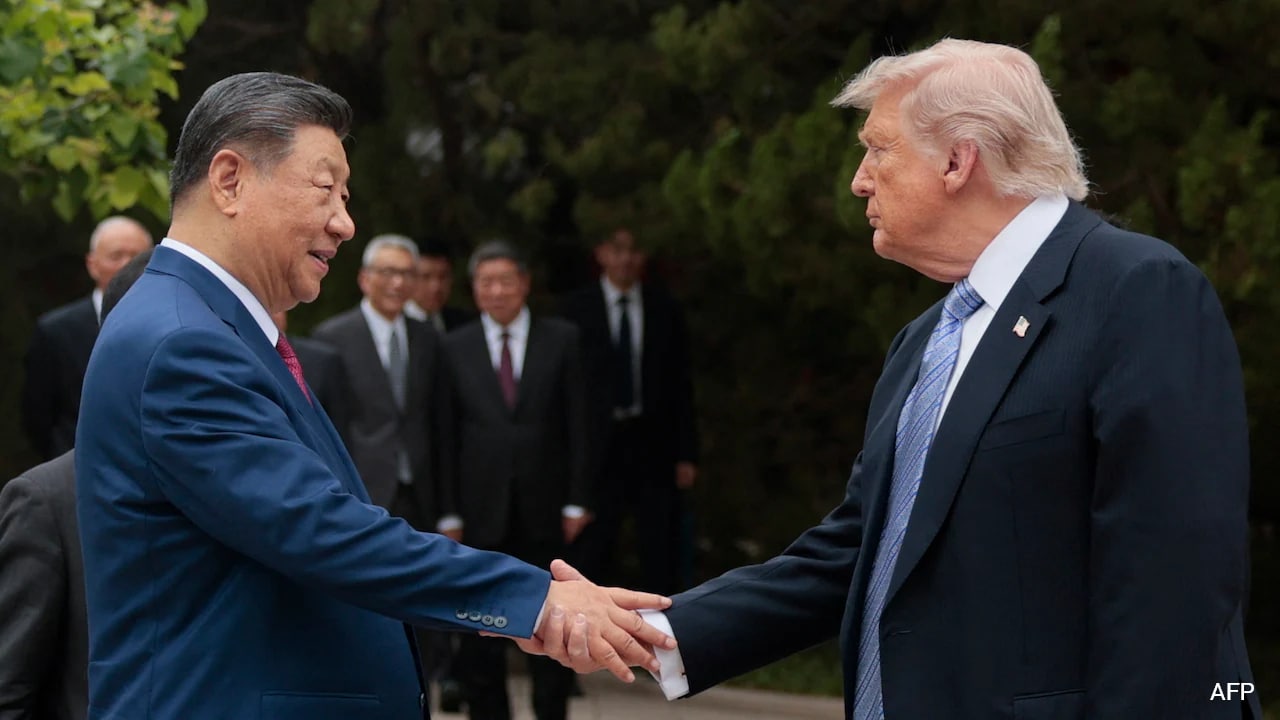
When global leaders gather for high-stakes diplomatic summits, the optics rarely match the underlying economic reality. While political commentators obsess over handshakes and photo ops, the actual architecture of global commerce is shifting beneath our feet. Xi Jinping walks into diplomatic negotiations with Donald Trump backed by an export machine that refuses to slow down, regardless of how many tariffs Washington throws its way. If you look past the political theater, you see a completely different story about where industrial power actually lives right now.
Most political analysis treats trade deficits and tariff announcements as final verdicts. That's a mistake. Beijing has spent years quietly reorienting its supply chains toward domestic resilience and non-Western markets, turning foreign trade pressures into an excuse to upgrade its manufacturing base. When exports surge despite regulatory crosswinds, it proves that traditional protectionist levers have lost their punch.
The Reality Behind the Export Surge
For years, conventional wisdom said that heavy American tariffs would choke off Chinese manufacturing. Instead, factories in Shenzhen and Guangzhou adapted. They diversified into Southeast Asia, Latin America, and domestic technology sectors long before Western policymakers realized what was happening.
China's trade engine is roaring because it stopped relying exclusively on American consumption. When your industrial policy focuses on dominating electric vehicles, advanced batteries, and high-tech supply chains, you stop worrying about bilateral friction with a single partner. Xi approaches these summits knowing that his economy holds critical mineral chokepoints and manufacturing capacities that the West cannot easily replace.
What Washington Keeps Miscalculating
American strategy often assumes that economic pressure will force immediate structural concessions. But modern global supply chains are too deeply integrated for blunt-force tariffs to work the way they did thirty years ago.
- Supply Chain Redirection: Chinese firms simply route goods through intermediate hubs, bypassing direct tariff walls.
- Domestic Substitution: Local tech and manufacturing ecosystems have matured enough to absorb domestic slack.
- Raw Material Leverage: Control over rare earths and critical minerals gives Beijing an immediate defensive shield during negotiations.
When Treasury officials and trade representatives sit down to hash out tariff reductions or agricultural purchase targets, they are playing checkers while manufacturing competitors are playing chess. Demanding concessions while your own political standing fluctuates at home weakens your bargaining position before the talks even begin.
Where the Global Economy Goes From Here
Pretending that bilateral summits will magically reset global trade is lazy journalism. Tariffs and trade council meetings might grab headlines, but they are just temporary speed bumps for a manufacturing juggernaut that has already scaled global dominance.
If you want to understand where business is heading, stop watching the podiums and start looking at logistics hubs, port expansions, and supply chain investments across the Global South. That is where the real economic future is being written, and no amount of diplomatic posturing is going to change it.