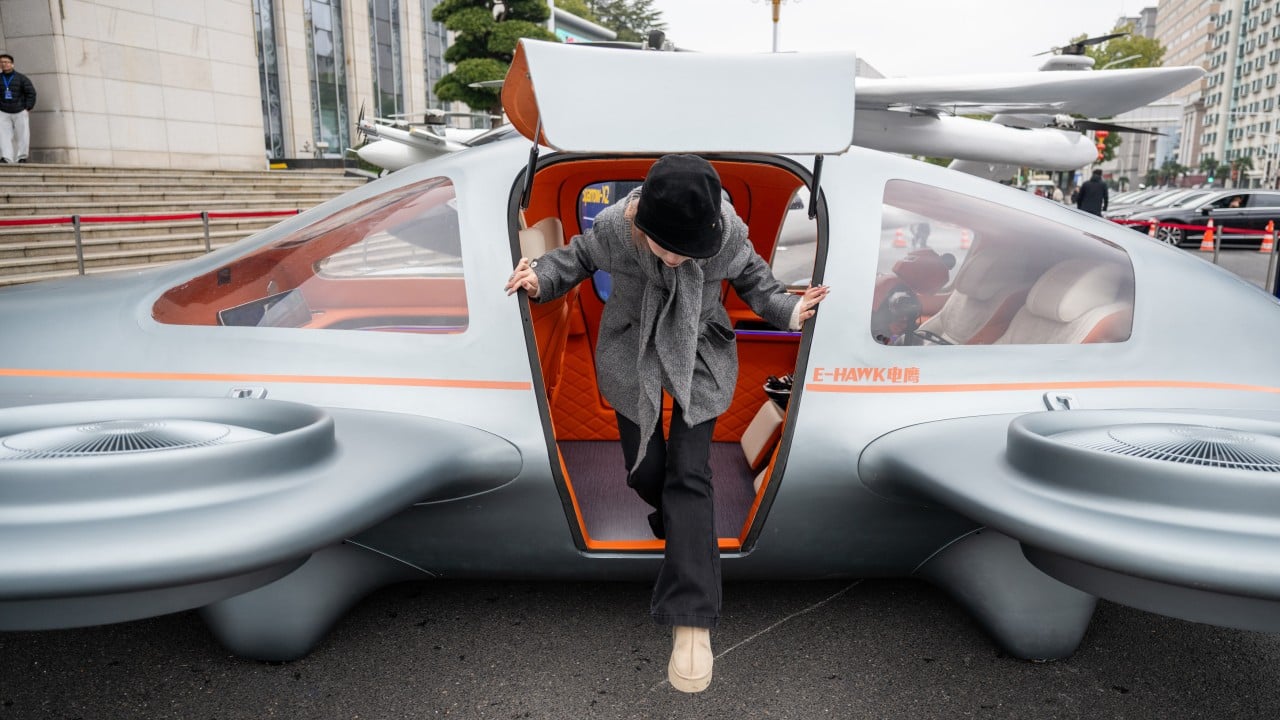
For years, headlines painted a picture of an unstoppable future across Chinese airspace. Fleets of electric vertical takeoff and landing aircraft, commonly known as eVTOLs, were supposed to zip commuters above gridlocked megacities. Automated drones would deliver hot meals to high-rise balconies within minutes. Billions of yuan in government backing poured into local manufacturing hubs, creating a high-flying industrial boom fueled almost entirely by state support.
Then reality arrived. Recently making waves recently: Why Everything You Think You Know About Diesel And Crude Is Backward.
The low-altitude economy, once heralded as the next massive growth engine for China's slowing industrial output, is suddenly facing heavy turbulence. When government subsidies meet strict commercial reality, the physics of finance matter just as much as the physics of flight. Local governments facing tight municipal budgets are scaling back their generous cash injections. Startups that relied on easy grants are finding that flying prototypes don't automatically translate into profitable business models.
The Subsidy Addiction and What Went Wrong
Let's look at how this machine actually operated. Municipal governments from Shenzhen to Hefei competed fiercely to crown themselves the capital of the low-altitude sector. They offered free land, subsidized R&D labs, tax holidays, and guaranteed purchase orders for local drone and flying car manufacturers. It looked like industrial policy at its finest. Local officials hit their growth targets, and tech founders secured endless rounds of non-dilutive capital. Further insights on this are explored by Investopedia.
That model works fine during an economic boom. It breaks down quickly when local government financing vehicles face mounting debt and property market downturns.
When local authorities start tightening their purse strings, companies built on subsidy respiration struggle to breathe on their own. Many firms spent millions designing flashy prototypes without ever figuring out unit economics. Operating a fleet of eVTOLs requires massive capital expenditures for vertiports, charging stations, air traffic management software, and rigorous maintenance schedules. Without ongoing state subsidies subsidizing every passenger ticket, the per-ride cost remains far too high for everyday commuters.
The Infrastructure Bottleneck Nobody Talks About
Building a carbon-fiber air taxi is difficult. Integrating thousands of autonomous flying objects into crowded urban airspace without causing mid-air collisions is an entirely different nightmare.
China's civil aviation administration has rolled out numerous pilot zones, but air traffic control infrastructure is lagging far behind hardware manufacturing. Traditional air traffic control systems are built for commercial airliners flying at high altitudes, not thousands of low-altitude drones and private air taxis weaving between skyscrapers. Developing an uncrewed traffic management system requires massive software investments and international regulatory alignment.
Security concerns also loom large. No major metropolitan government is going to allow thousands of autonomous drones or flying vehicles overhead without bulletproof fail-safes against hacking, mechanical failure, or terrorist threats. When regulators slow down approvals to ensure safety, cash-burning startups run out of runway.
The Commercial Pivot Required for Survival
The current correction isn't necessarily a death sentence for the industry. Instead, it marks a painful transition from speculative hype to sober commercialization. Companies that survive this shakeout are shifting their focus away from consumer-facing urban air taxis toward unglamorous, highly profitable industrial applications.
Agricultural spraying, industrial inspection, power line monitoring, and heavy logistics in remote mountainous regions are where the real revenue lives today. These sectors don't rely on speculative consumer demand or heavily subsidized ticket prices. Farmers, utility companies, and logistics giants pay for drones because those tools solve expensive labor shortages and reduce operational costs immediately.
Venture capitalists and institutional investors are also changing tune. They no longer write blank checks based on slick CGI promotional videos of flying cars. They want to see audited flight hours, regulatory certifications, predictable maintenance costs, and clear paths to positive cash flow.
What This Means for Global Markets
China's turbulence serves as an expensive cautionary tale for other nations racing to build their own low-altitude ecosystems. Governments in the United States, Europe, and the Middle East are watching these financial bottlenecks closely. Throwing public money at hardware manufacturers creates a booming supply chain on paper, but it doesn't create a sustainable market unless everyday customers or enterprise clients are willing to pay sustainable prices.
The companies that make it through this turbulence will be leaner, meaner, and far more focused on operational excellence than political patronage. They will understand that a subsidy is a temporary runway, not a permanent fuel source.
The dream of personal urban flight hasn't vanished, but the era of easy money has officially landed.