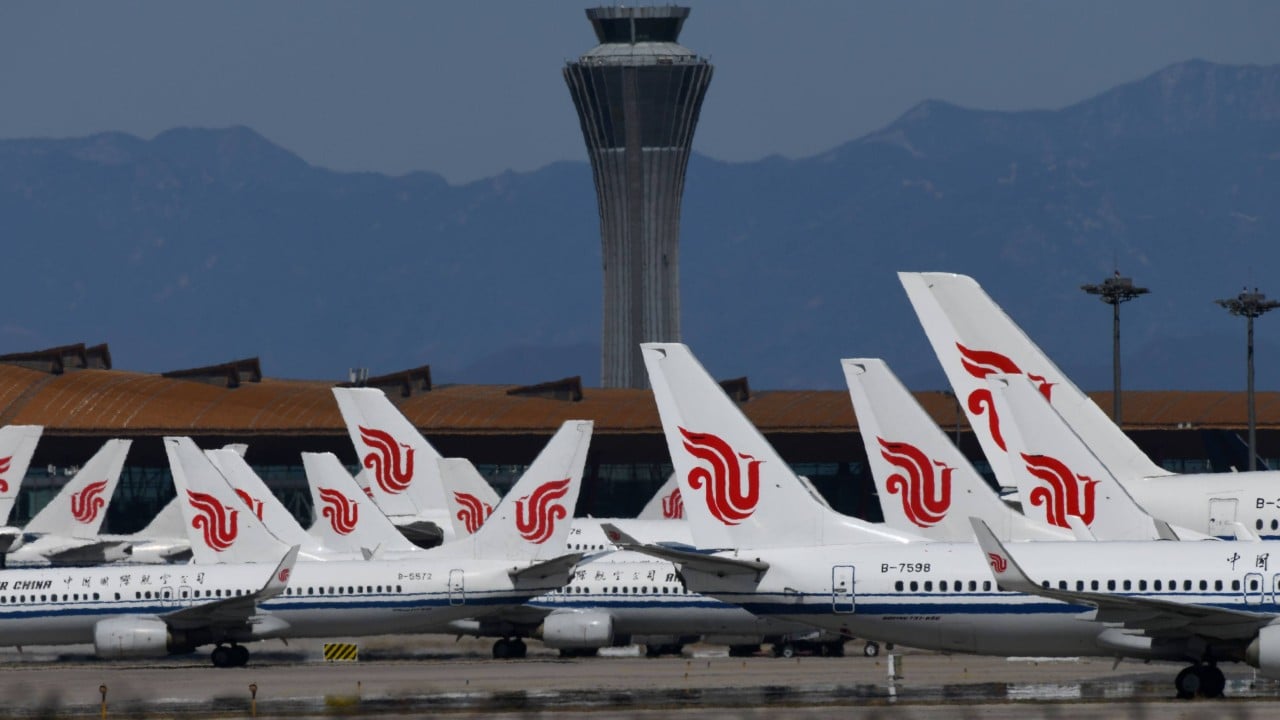
The sky above East Asia just got a lot emptier. If you were planning a quick hop between Tokyo and Shanghai this month, you probably already know that something is wrong. Over 2,700 flights between China and Japan were wiped off the schedule for March alone. This isn't just a scheduling glitch or a seasonal dip. It’s a loud, clear signal that the relationship between these two economic titans is hitting a wall.
Airlines don't just kill 2,700 flights for fun. They do it because seats are empty and the political climate is too toxic to justify the fuel. While the official talk often centers on "operational adjustments," the reality is much more jagged. We're seeing a fundamental decoupling in how these two nations interact. People are staying home. Businesses are hedging their bets. Travelers are scared or simply disinterested.
The Cold Reality of Empty Terminals
You can't ignore the math. When carriers like All Nippon Airways (ANA) and Japan Airlines (JAL) start slashing routes to major Chinese hubs, it means the demand has evaporated. This massive cancellation wave affects everything from high-level business meetings to the "explosive shopping" trips that used to define Chinese tourism in Ginza.
The drop-off is staggering. We aren't talking about a few boutique routes. We're talking about the arteries of Asian commerce. For years, the flight path between Beijing and Tokyo was one of the busiest in the world. Now, it’s a ghost of its former self. I’ve seen travel trends shift before, but this feels different. It feels permanent.
The tension isn't new, but it's reached a tipping point. Between territorial disputes in the East China Sea and the controversial release of treated water from the Fukushima nuclear plant, the friction is constant. China’s ban on Japanese seafood was the first major blow. Now, the backlash has moved from the dinner table to the departure gate.
Why the Tourism Boom Died So Fast
It’s easy to blame politics, but there’s a deeper economic rot here. China’s economy is struggling. The property market is a mess. Middle-class Chinese families who used to think nothing of a weekend trip to Osaka are now clutching their wallets.
On the flip side, Japanese travelers are increasingly wary of China. New anti-espionage laws in China have made business travelers nervous. I’ve talked to consultants who won't take their primary laptops to Beijing anymore. When you’re afraid that a simple business meeting might get you flagged by state security, you don't book a flight. You hop on a Zoom call instead.
- Visas are still a headache. While China has started offering visa-free entry to several European and Southeast Asian nations, Japan remains notably absent from that list.
- The Yen is weak. You’d think this would attract more Chinese tourists, but the geopolitical "ick factor" is currently stronger than the exchange rate.
- Nationalism is a hell of a drug. Social media in both countries is a furnace of resentment right now. If you’re a Chinese influencer, posting a video of your lovely sushi dinner in Tokyo might get you shredded by "patriotic" commenters.
The Business Impact Nobody Is Admitting
For decades, the "China plus one" strategy was just a suggestion. Now, it’s a requirement. Japanese companies are moving production out of China and into Vietnam, Thailand, or back to Japan. When factories move, the engineers and managers who used to fly back and forth every week stop buying tickets.
The 2,700 cancelled flights are just the tip of the iceberg. Each cancelled flight represents hundreds of missed connections—both literal and figurative. We’re watching the slow-motion dismantling of a regional supply chain that took thirty years to build.
Airlines are businesses, not charities. They’re pivoting. If they can’t make money on the Shanghai-Osaka route, they’ll move those planes to Honolulu or Sydney. Once those slots are gone, they don't come back overnight. We are looking at a long-term reduction in connectivity that will make everything from shipping parts to closing deals more expensive and more difficult.
The Fukushima Factor
We have to talk about the water. The decision to release treated water from the Fukushima site became a massive propaganda tool. Whether you believe the science—which the International Atomic Energy Agency (IAEA) supports—doesn't matter as much as the public perception. In China, the narrative was framed as a direct threat to the Pacific.
This created a massive chilling effect. It wasn't just about fish. It was about anything "made in Japan." When a government controls the narrative this tightly, they can turn off the tourism faucet with a single press release. That’s exactly what we’re seeing in the March flight data.
What This Means for Your Next Trip
If you’re a traveler, this sucks. Less competition means higher prices for the flights that actually do take off. You’ll find fewer direct options and longer layovers. But beyond the logistics, there’s the vibe. The energy in these transit hubs has shifted from bustling internationalism to a sort of guarded hesitation.
Don't expect a quick fix. These kinds of rifts don't heal because of a single diplomatic meeting. They take years of quiet, boring stability to fix, and right now, stability is in short supply.
If you have to travel between these two countries, be prepared for more than just flight delays. Carry hard copies of your documents. Be mindful of the local political climate. Don't assume the "business as usual" attitude of 2019 is coming back anytime soon. It’s gone.
Check your flight status daily. If you’re on a route that’s seen heavy cancellations, have a backup plan through a third hub like Seoul or Taipei. Don't get caught in the middle of a geopolitical staring contest without an exit strategy. The airlines have already made their move by pulling the planes; you should make yours by being flexible.