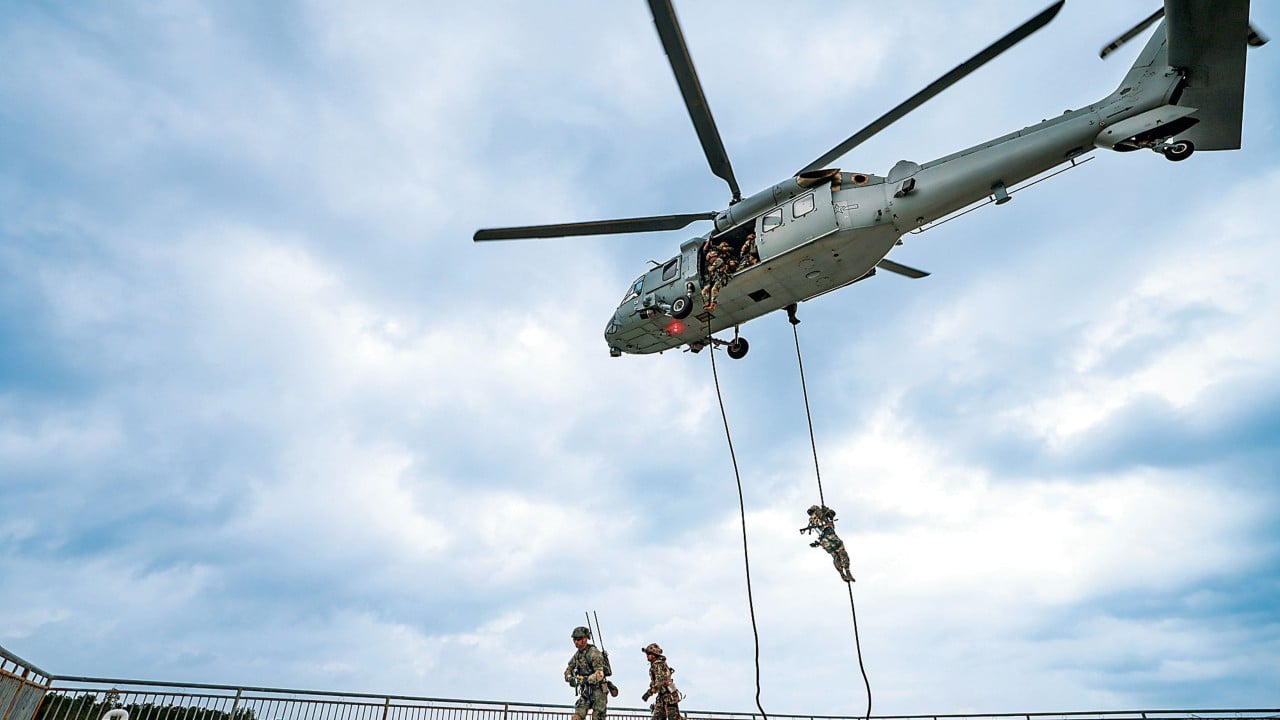
When the Chinese People's Liberation Army Air Force flies heavy transport planes and advanced multi-role jets into North Africa, defense analysts don't just watch the sky—they check their balance sheets. The appearance of PLA hardware at the El Alamein International Airshow in Egypt isn't just about diplomatic handshakes or anniversary celebrations marking seventy years of bilateral ties. It represents a calculated push into export markets traditionally dominated by Western suppliers.
Military hardware sales always tell a deeper story about shifting geopolitical loyalties. Egypt's decision to host these displays alongside the joint "Eagles of Civilization" aerial exercises highlights a growing appetite for defense diversification. If you look closely at what’s on tarmac display, the message becomes clear. China isn't just showing off fly-by maneuvers; they're marketing an entire ecosystem of modern air combat capabilities directly to regional buyers who want alternatives to American and European military gear.
The Export Strategy Behind the Hardware
For decades, acquiring advanced force-multiplier aircraft meant navigating stringent Western export controls, political conditionality, and complex maintenance chains. China is playing a completely different card. Beijing's pitch centers on two major selling points: autonomy and domestic maintenance.
When defense officials buy Chinese military equipment, they generally receive systems that can be operated and maintained independently without heavy reliance on foreign engineering oversight. That independence appeals heavily to regional powers seeking genuine sovereignty over their defense assets.
The lineup at El Alamein features heavy assets designed to showcase a complete system-of-systems operational capability. We are talking about advanced fighter jets like the J-16, airborne early warning platforms, transport helicopters, and crucially, the YY-20 aerial refueling tanker. Tanker technology has historically been tightly restricted due to regional military balance concerns. By putting these exact platforms on display in Egypt—hot on the heels of exercises where a YY-20 refueled a French-built Egyptian Rafale—Beijing is demonstrating absolute operational flexibility.
What This Means for Global Defense Markets
Traditional defense primes in the West used to dismiss Chinese aviation exports as budget alternatives for developing nations. That arrogance stopped working years ago. Modern Chinese avionics, active electronically scanned array radars, and Beyond-Visual-Range missiles have closed the technological gap significantly.
When an air force like Egypt's—widely considered one of the most powerful in Africa—incorporates these assets into joint drills, it sends a signal to neighboring states. It normalizes Chinese military tech in a traditionally Western-supplied sphere of influence. Other nations watching these demonstrations will take note, especially those frustrated by export bottlenecks or political restrictions tied to Washington or Brussels.
You have to look at the broader industrial strategy, too. Maintaining domestic production lines requires steady export volume. By packaging competitive price points with fewer political strings attached, Beijing is positioning its defense sector to capture market share in regions undergoing rapid strategic realignments.
The skies over El Alamein offer a clear preview of the future arms market. It's crowded, competitive, and no longer respects old monopolies. Watch how regional defense budgets shift over the next fiscal cycle, because these airshow debuts are the opening salvo of multi-billion-dollar procurement battles.