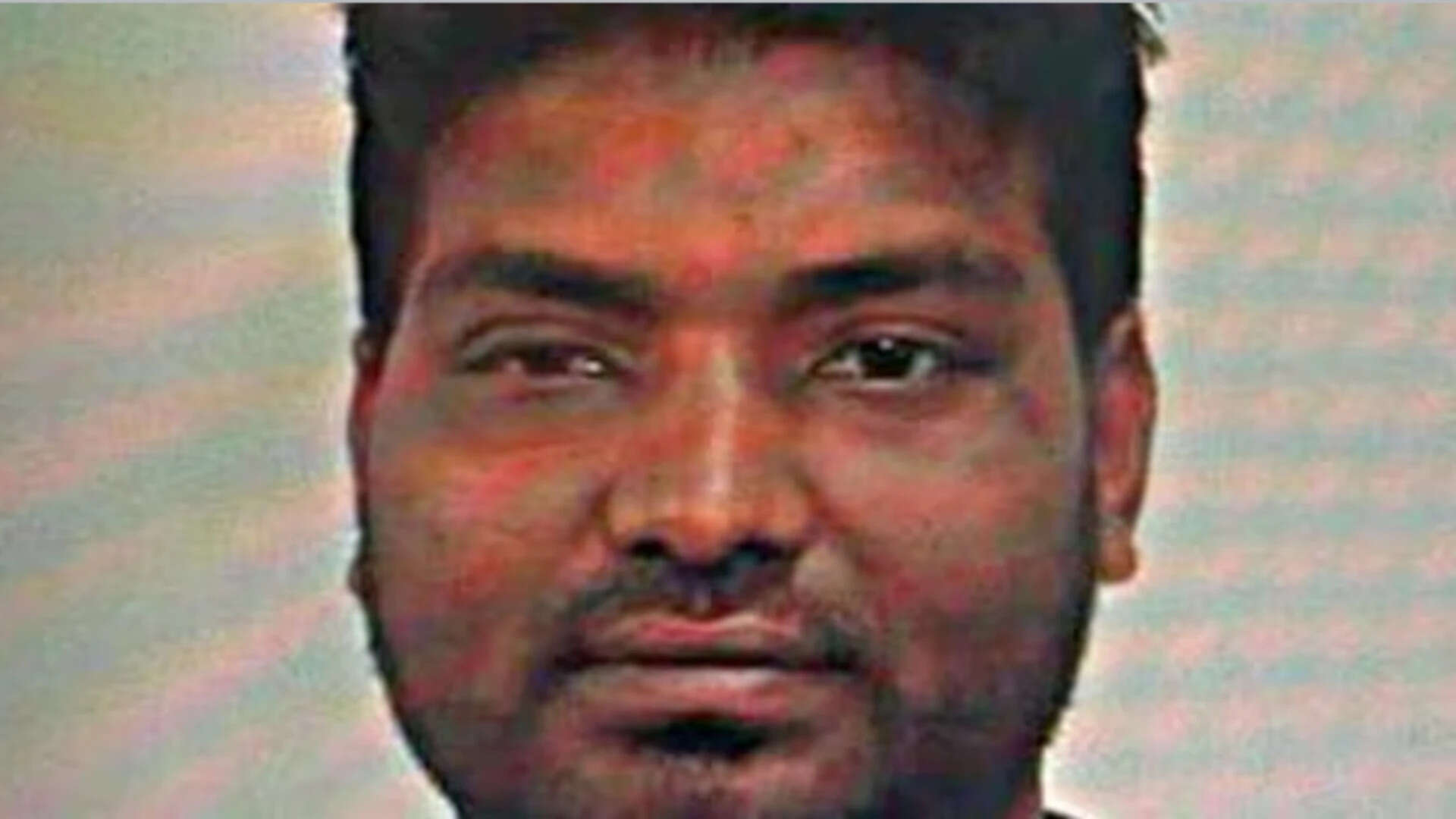
A horrific triple homicide shattered a quiet neighborhood on the western outskirts of Rome, leaving a family dead and investigators chasing a digital trail of terrifying premonitions. The primary suspect, a 43-year-old Bangladeshi man named Shahadat Hossain, allegedly telegraphed his deadly intentions to the world on social media just 24 hours before the slaughter. Italian police launched an massive manhunt across the capital city, tracking a suspect who laid out a dark philosophy online before acting it out in blood.
The case exposes glaring gaps in how modern law enforcement monitors digital threats across diaspora communities. When an individual drops explicit, disturbing hints online, the system rarely catches it before it is too late. You might also find this related story useful: The Anatomy of Cross Border Deterrence Architecture: Assessing Pakistan Kinetic Escalation Against Transnational Insurgency.
The Haunting Social Media Trail of Shahadat Hossain
On June 25 at 9:33 PM, a public post appeared on Shahadat Hossain's social media. The words were chilling. He wrote that a man does not die alone and added that you should die with your loved ones when you die so that no one has to suffer for anyone else.
To a casual scroller, it might have looked like a bizarre, melancholic rant. To Italian investigators reconstructing the timeline, it was a literal blueprint for a massacre. As extensively documented in recent reports by The Guardian, the implications are worth noting.
The very next day, a violent attack ripped through an apartment on Via Montiglio in Rome's Aurelio district. The crime scene left seasoned officers shaken. Inside, police found the bodies of 39-year-old Kamal Uddin, his 38-year-old wife Arzu, and their innocent six-year-old daughter Alicia. All three died at the scene from catastrophic injuries.
The couple’s 18-year-old son, Onion, barely survived the onslaught. He was rushed to the Policlinico Gemelli hospital with severe multiple traumas. While he remains under intense medical care, doctors expect him to survive. His testimony will likely form the bedrock of the prosecution's case if the suspect is caught alive.
The Anatomy of a Rome Manhunt
Italian state police and the Carabinieri didn't waste any time. After recovering a heavy cleaver from the apartment—believed to be the primary weapon used in the killings—they focused heavily on locating Hossain. Mobile phone towers last pinged his device in the Casalotti area on the night of the murders, but the trail went cold shortly after.
Law enforcement agencies flooded WhatsApp networks, local media, and transit hubs with Hossain’s photograph. Checkpoints sprang up across Rome. Officers began searching outgoing trains, regional buses, and airport flight manifests to prevent him from slipping past Italian borders. At the same time, specialized units started combing through abandoned buildings and rural fields on the edges of Rome where a fugitive might try to lay low.
Over 40 tips poured in within the first 48 hours. Yet, finding a single individual determined to disappear in a major European transport hub is an uphill battle.
Deconstructing the Motive and Diaspora Friction
What drives a man to annihilate an entire family from his own home country? That is the question investigators are currently trying to answer. The victims had clean records and were known as quiet, hardworking members of the local Bangladeshi community.
When crimes like this happen within immigrant communities, western police forces often struggle initially to decipher the social dynamics at play. Language barriers, insular social circles, and a general distrust of authority can slow down an investigation. Investigators are currently interviewing friends, neighbors, and extended relatives to figure out exactly how Hossain knew Kamal Uddin and his family.
Every avenue remains open. It could be a financial dispute, a deeply personal vendetta, or a sudden psychological break fueled by extreme isolation. What we do know is that the local community is terrified, and the shockwaves are traveling all the way back to Dhaka.
Why Predictive Policing Fails in the Digital Age
This tragedy highlights a massive flaw in how we think about public safety and social media monitoring. Tech companies claim they use sophisticated algorithms to flag violent behavior, but they consistently miss phrases written in non-Western languages or nuanced cultural dialects.
Hossain’s post didn't feature flag words that automatically trigger immediate police intervention in Italy. It was a philosophical statement about death and family suffering, wrapped in a dark promise.
True safety requires community-level digital literacy. If someone in a social circle notices a friend or acquaintance posting highly uncharacteristic, fatalistic messages, the response cannot just be scrolling past. Reaching out to local community leaders or filing an anonymous report with law enforcement can genuinely alter a timeline. Waiting for algorithmic systems to catch these cries for help, or warning signs of impending violence, simply doesn't work. The immediate focus remains on securing justice for Kamal, Arzu, and little Alicia while a survivor fights for his life in a hospital bed.