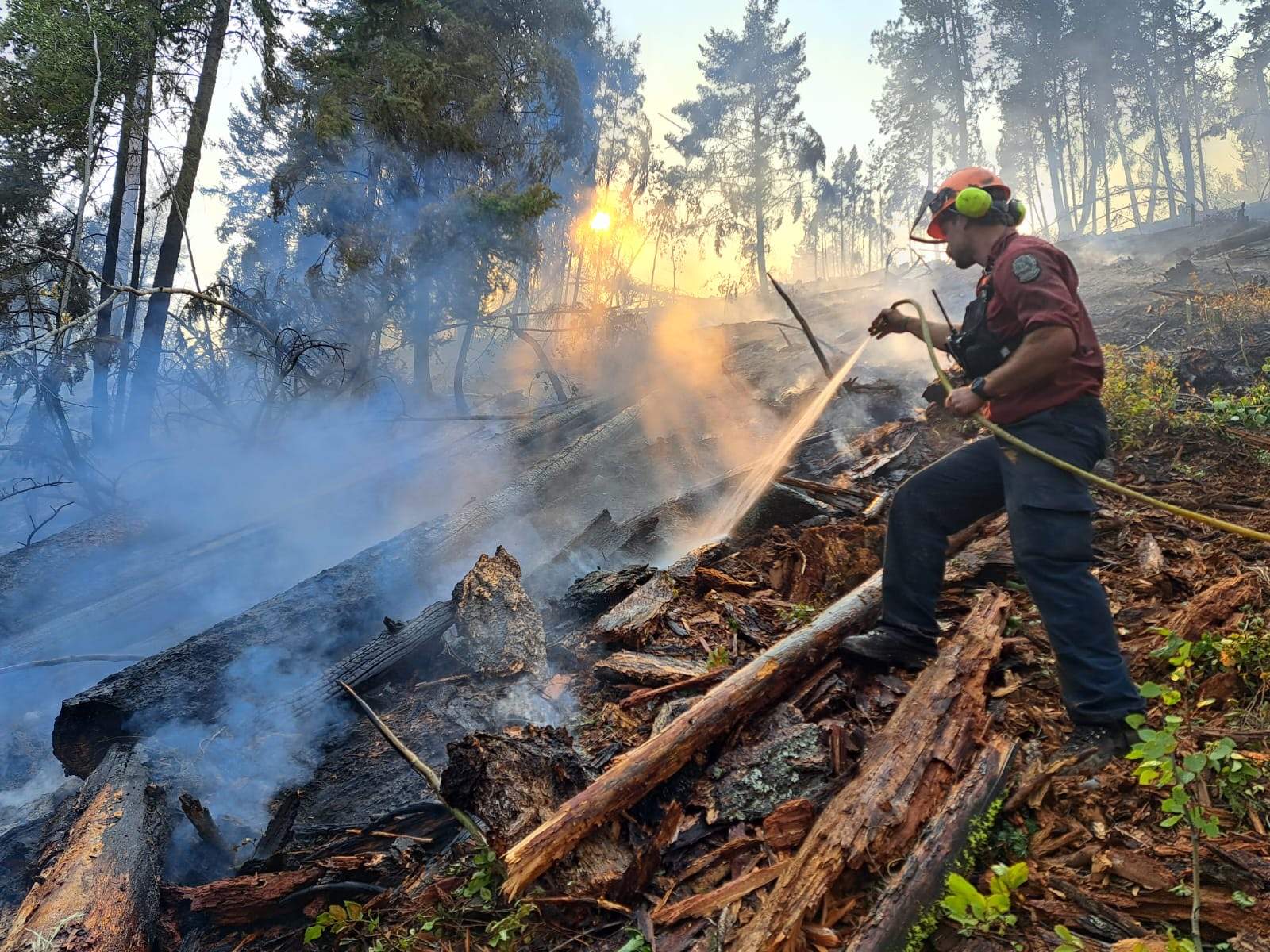
The headlines always read like local theater when the smoke clears. Evacuation orders downgraded. Residents return home. Streets wash over with the exhausted relief of families dragging suitcases back through the ash, hugging firefighters for the cameras, and pretending the threat has packed its bags alongside the wind shift.
Every single media outlet treats this moment as a win. It is not a win. It is a recess. You might also find this similar coverage insightful: Why the 80th Independence Day Celebration in Canberra Actually Matters.
I have spent two decades analyzing disaster response metrics, walking the perimeter of containment lines before the media arrives, and watching communities step straight back into the crosshairs of predictable geography. We treat every homecoming after a fire like a permanent resolution when it is merely a temporary reprieve engineered by wind and humidity.
The lazy consensus is that once the red tape comes down and the mayor gives the green light, the danger has retreated. The truth is much uglier. When authorities downgrade evacuation orders for the Quilpituk Creek wildfire, they are not declaring safety. They are rationing panic. As discussed in latest coverage by The Washington Post, the results are widespread.
The Geography of False Security
Look at how we talk about evacuation zones. We draw lines on maps based on current ember drift and wind vectors, as if fire respects municipal boundaries or administrative decrees. When the smoke index drops below a certain threshold, emergency managers face crushing political pressure to open the gates. Hotels run out of disaster relief funds. Small businesses hemorrhage cash. Local politicians need a victory to justify their tenure.
So, the orders drop. Residents flood back into valleys choked with particulate matter, structural ash, and scorched timber that will slide down the first time a heavy autumn rain hits the bare earth.
I watched this happen in the Pacific Northwest five years ago. Families threw backyard barbecues the night they returned, thanking local officials for saving their homes. Three months later, a mudslide wiped out half the subdivision because the root systems holding the hillside together had been reduced to charcoal. Nobody put that disaster in the headline.
When you return to a zone that was burning days prior, you are not reclaiming your property. You are camping out in an active ecological crime scene. The infrastructure is compromised. Water systems are often laden with benzene leaching from melted plastic pipes. Power grids are hanging by oxidized threads. Yet the press frames the return as a triumphant homecoming, encouraging people to drop their guard while the soil beneath them is still cooling.
Why We Crave the Return Narrative
Why do we cling so desperately to the narrative of return? Because permanence sells.
Media consumers want a neat narrative arc. Act one: chaos and flames. Act two: heroic struggle. Act three: the triumphant return and rebuilding. It satisfies our psychological need for order. It tells us that nature is an intruder that can be beaten back, managed, and put in its place.
Nature does not negotiate. Quilpituk Creek did not retreat because humans signed an order. It retreated because fuel loads in that specific sector dropped or the jet stream shifted fifty miles to the east. The conditions that triggered the initial evacuation have not vanished; they have migrated.
By framing a downgrade as an all-clear, we foster a culture of reckless amnesia. Homeowners skip insurance updates because their house survived this time. Municipalities approve new housing developments on the edges of high-risk timberland because the previous fire "didn't reach the downtown core." We are running a Ponzi scheme against probability.
The Metrics They Hide From You
Let us look at the actual data behind post-wildfire returns.
When an evacuation order is lifted, insurance claim spikes do not drop. They pivot. The immediate fire damage claims transition into long-term health claims and structural failure claims. Fine ash penetrates HVAC systems, drywall, and furniture insulation. Inhaling that cocktail for a week after returning home causes cumulative respiratory damage that emergency rooms rarely connect back to the initial fire weeks down the line.
Furthermore, structural integrity is a ghost. A wooden frame exposed to high ambient heat without direct flame contact can lose up to thirty percent of its load-bearing strength. You walk back into your living room, hang your pictures on the wall, and sleep upstairs while your studs are quietly calcified timber waiting for a minor seismic tremor or roof load to buckle.
Emergency management agencies know this. They also know they cannot legally bar people from their private property indefinitely once the active flame front moves five miles away. So they pass the hot potato of risk back to the individual homeowner, dressing it up in the comforting language of an downgraded advisory.
What Real Preparedness Looks Like
Stop waiting for the government to tell you it is safe. Governments manage liabilities; you manage survival.
If your region sits inside a fire-prone corridor, a downgraded evacuation order means you move from Phase One panic to Phase Two vigilance. It means you keep your go-bags packed by the front door. It means you strip the first thirty feet of vegetation away from your foundation instead of planting ornamental dry grasses because they look nice in real estate brochures.
We need to stop celebrating the return and start interrogating the vulnerability. Every time a community rushes back into a burn scar without hardening their property against the next inevitable ignition, they are simply buying a ticket for the next evacuation cycle.
The fire is not gone. It is just hunting elsewhere.