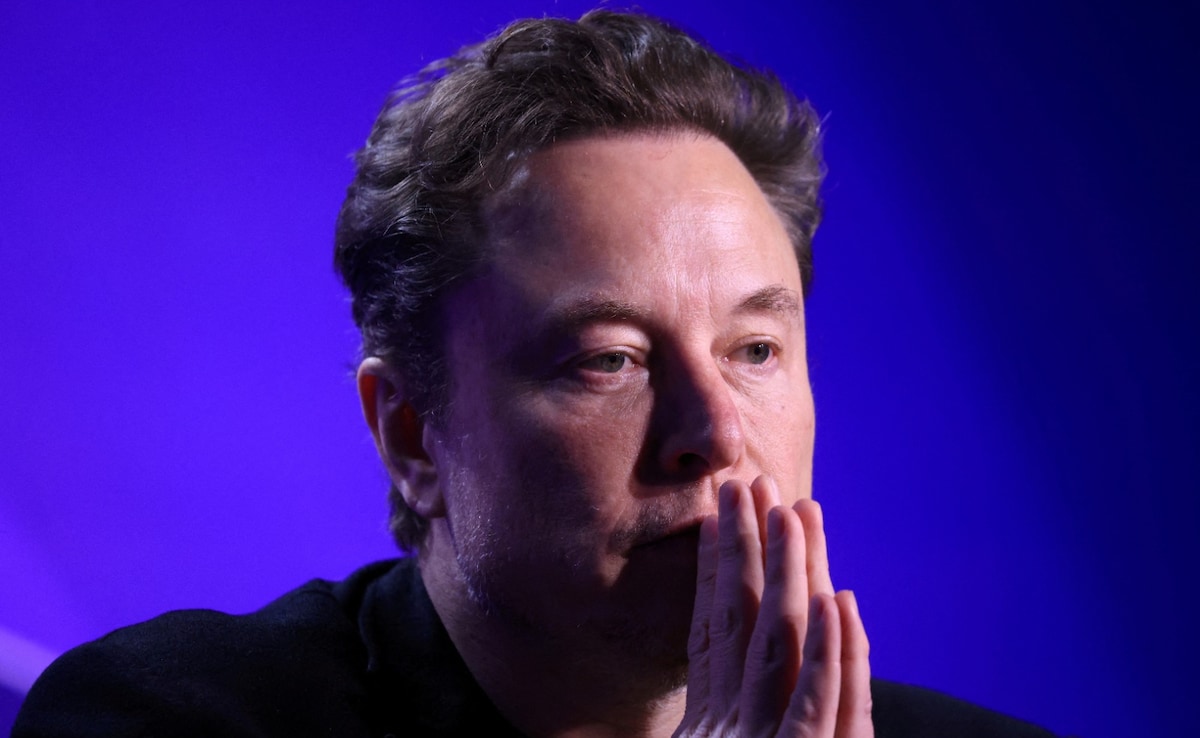
The headlines are predictable. French prosecutors are moving against X, formerly Twitter, over child abuse material. The media is salivating. The moral high ground is crowded. Yet, the entire narrative surrounding this legal theater is built on a fundamental misunderstanding of how the internet actually works.
If you think a court case in Paris is going to scrub the dark corners of the web, you aren't paying attention. You are being sold a performance.
The Sovereignty Trap
Governments love a villain. Elon Musk is the perfect candidate because he is loud, wealthy, and refuses to play by the established diplomatic rules of Silicon Valley. When French authorities seek charges, they aren't just fighting for the safety of children; they are fighting for the relevance of the nation-state in a borderless digital world.
The "lazy consensus" in modern journalism suggests that if a platform just hires enough moderators or tweaks an algorithm, the problem disappears. This is a lie. Child Safety Material (CSM) is an adversarial problem, not a technical bug. Bad actors do not use hashtags. They do not post in plain sight. They operate in the shadows of encrypted DMs, ephemeral messaging, and steganography.
By focusing on Musk, regulators are ignoring the plumbing of the internet. If X is forced to implement draconian scanning, the content moves to Telegram. If Telegram is pressured, it moves to Matrix or Signal. If those are compromised, it moves to the Fediverse or decentralized protocols where there is no CEO to subpoena.
We are watching a game of whack-a-mole where the hammer is made of paper and the mole has a thousand heads.
The Myth of Manual Moderation
The popular critique is that X gutted its "Trust and Safety" teams. The implication is that more humans sitting in a cubicle in Dublin or Manila would solve this.
I have seen how these teams operate. I’ve seen the psychological toll and the inevitable failure rates. Humans are slow. Humans are biased. Humans cannot scale to handle 500 million posts a day.
The reality is that child safety is a data problem. It requires hash-matching databases like those provided by the National Center for Missing & Exploited Children (NCMEC). Every major platform, including X, uses these. The legal dispute isn't about whether X wants to stop this content; it’s about the speed and transparency of their compliance.
French prosecutors are weaponizing a bureaucratic delay to make a point about content moderation at large. They are trying to set a precedent that a platform owner is personally liable for the criminal acts of its users. Think about that. If we applied this logic to the physical world, the CEO of a highway department would be in prison every time a getaway car used their road.
The Privacy Paradox
Here is the truth nobody wants to admit: You cannot have absolute privacy and absolute safety.
The same activists who demand that X "clean up" its platform are often the same ones fighting for end-to-end encryption. You cannot scan a message for illegal content if you cannot see the message. If regulators win this fight and force X to install "client-side scanning," they have effectively destroyed the concept of private digital communication for everyone.
The "broken" state of X is actually a reflection of the internet’s raw reality. Musk’s hands-off approach—while chaotic—exposes the friction between free speech and safety that other platforms hide behind layers of PR and "shadowbanning."
When Facebook or YouTube claim they have a handle on CSM, they are often just moving the goalposts. They refine their metrics to show "decreased reach," but the content is still there. X is just more honest about the mess.
The Failure of the Legal Bludgeon
What happens if France wins?
They fine X a few million Euros. They maybe issue an arrest warrant that Musk ignores by staying in Texas or Florida. Does the content go away? No.
The legal system is designed for a world of physical borders and slow information. It is ill-equipped to handle a platform that operates at the speed of light across 190 countries simultaneously. Chasing a billionaire is a PR win for a prosecutor looking for a promotion, but it does nothing to dismantle the peer-to-peer networks where the real harm occurs.
The real solution—the one that actually works—is offensive cyber operations. It’s about law enforcement infiltrating these groups, seizing servers, and making arrests at the source. But that is hard work. It requires technical skill and international cooperation. It is much easier to write a press release about Elon Musk.
The Actionable Reality
If you are a parent or a concerned citizen waiting for the government to "fix" X, you have already lost.
- Stop treating social media as a safe space. It is a public square in a dangerous neighborhood. No amount of regulation will change the fact that the internet is inherently unmanageable.
- Focus on the hardware. Safety happens at the device level, not the server level. Control the glass in your hand, not the database in San Francisco.
- Demand law enforcement funding for technical units. Stop cheering for lawsuits against CEOs and start asking why your local police department doesn't have a dedicated digital forensics team that can track a crypto transaction.
The French case against X is a distraction. It is a performance for an audience that wants to believe the world is simpler than it is. We are living through the death of the controlled information environment. The "gatekeepers" are gone, and they are trying to sue their way back into power.
It won't work.
The internet is not a garden to be weeded; it is a rainforest. It is vast, wild, and indifferent to your laws. If you want to protect people, you teach them how to navigate the jungle. You don't try to pave the whole thing and sue the man who sold you the boots.
Stop looking at the CEO. Look at the architecture. The problem isn't that X is failing to moderate; it's that we've built a world where we expect a single entity to act as the world’s moral police, and then we act shocked when they fail.
The prosecutors will get their headlines. The lawyers will get their fees. And the dark corners of the web will remain exactly as dark as they were yesterday.