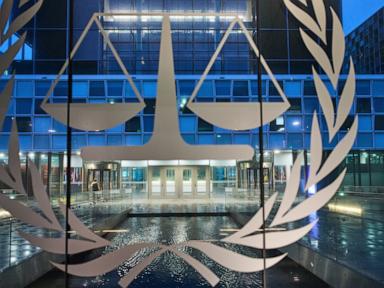
Chad just delivered a massive blow to the International Criminal Court.
The central African nation officially submitted a notification to United Nations Secretary-General António Guterres to pull out of the Rome Statute. If you think this is an isolated diplomatic hiccup, look closer. This move exposes deep, systemic fractures in how international law actually operates on the ground. Also making headlines lately: Stop Treating Japanese Earthquakes Like Surprises.
When a government walks away from a global judicial body, people want to know why. The answers point straight to accusations of geographic bias, heavy international lobbying, and a growing rebellion against traditional Western-led institutions. Let's break down what's actually happening behind the headlines.
The Core Grievances Behind the Departure
Why is Chad jumping ship now? Government officials in Ndjamena didn't pull this decision out of thin air. They pointed to a detailed review of the court's track record since it opened its doors in 2002. Further details on this are detailed by NPR.
The numbers tell a story that many African leaders refuse to ignore anymore. Out of thirteen total investigations launched by the court, nine target African countries. Out of the handful of individuals actually held in custody, the vast majority face prosecution in African situations.
To Chadian authorities, this disparity isn't an accident. It looks like structural selectivity.
"The court has only seven people in custody, six of whom are being prosecuted in African situations," government spokespeople noted in official statements.
When an institution claims to dispense universal justice but heavily concentrates its muscle on one specific continent, trust evaporates. Leaders in Ndjamena labeled the court a tool of neocolonialism rather than an impartial arbiter of human rights. Whether you agree with that characterization or view it as political posturing, it resonates strongly across the region.
A Growing Trend Across the Sahel and Beyond
Chad isn't acting alone. This decision slots neatly into a broader regional shift.
Other nations across the Sahel are making identical moves. Burkina Faso, Mali, and Niger already set wheels in motion to leave the court. Venezuela also joined the exodus, citing a deep geographical bias against the Global South.
For years, critics have watched nations threaten withdrawal without following through. South Africa and Gambia famously floated exit plans back in 2016, only to reverse course later due to domestic court rulings or shifting political administrations. This time feels distinct. A growing block of nations is coordinating a pushback against The Hague.
International relations experts point out that these exits severely weaken the court's global mandate. An international court without universal buy-in turns into a toothless tiger. When major world powers like the United States, China, Russia, and Israel already sit outside its jurisdiction, losing developing nations chips away at what little legitimacy remains.
The Pressure From Washington
You cannot understand Chad's exit without looking at major geopolitical maneuvering.
Reports surfaced detailing heavy diplomatic pressure from the United States. High-ranking U.S. officials engaged directly with Chadian leadership, urging them to reconsider their participation in the Rome Statute. Washington has ramped up a fierce campaign against the tribunal, criticizing its investigations and applying economic and political pressure.
When the U.S. Bureau of African Affairs publicly welcomes a nation's withdrawal from the ICC, it reveals a clear alignment of interests. Washington views the tribunal as a threat to national sovereignty, especially when the court scrutinizes actions taken by close allies.
Did American arm-twisting force Chad's hand? Officially, Chadian foreign ministers insisted they made the choice independently following their own internal reviews. Privately, analysts know that foreign aid, security partnerships, and regional stability deals always play a massive role in how small nations navigate international treaties.
What Happens When the Dust Settles?
Under Article 127 of the Rome Statute, a formal withdrawal takes a full year to take legal effect after the UN receives the notification. That gives diplomats twelve months to lobby, negotiate, or potentially walk back the decision.
However, legal watchdogs are sounding alarms. Human rights lawyers argue that Chad's exit actively harms victims seeking accountability, particularly given ongoing conflicts in neighboring Sudan where local forces face heavy allegations of war crimes. When a state steps away from the oversight framework, the chances of securing justice for vulnerable populations plummet.
The global architecture of criminal justice is cracking. If international courts want to survive this wave of skepticism, they need to prove they can apply the law fairly, independently, and without bowing to powerful state interests. Right now, nations are voting with their feet.
Take a close look at how other regional players respond in the coming months. The era of unquestioned Western-backed global jurisprudence is coming to a rapid end.