Donald Trump has transformed international cartography into a personal vanity project, weaponizing geographic names to provoke foreign adversaries, rally domestic audiences, and distract from intractable foreign policy crises. When the White House casually floats turning the Strait of Hormuz into the "Trump Strait" or signs executive orders unilaterally transforming Lake Ontario into "Lake America," the immediate reaction in foreign capitals is usually bewilderment. Yet dismissing these stunts as mere eccentricities misses the calculated utility of map-altering rhetoric. This modern cartographic revisionism serves as a reliable instrument of statecraft, designed to command headlines, project absolute dominance, and shift the terms of geopolitical engagement through sheer psychological persistence.
The mechanism is straightforward. A provocative name change is introduced on social media or during a high-stakes political convention, often framed initially as an offhand joke or a conditional threat. Within days, the idea migrates from a digital post into official administrative framing, appearing on government maps and briefing materials. By the time foreign ministries issue formal protests, the narrative cycle has already moved past the absurdity of the premise and settled onto the turf chosen by the administration. It is a persistent strategy of linguistic occupation, where altering the designation of a landmark on an American server functions as a symbolic flag planted in disputed territory.
Consider the trajectory of waterborne renaming efforts over the course of the second presidential term. On Day One of his return to office, the administration mandated that the Gulf of Mexico be designated the "Gulf of America". Neither Mexico City nor Ottawa recognized the decree, treating it as an aggressive diplomatic insult. Nevertheless, the domestic political utility was instantaneous. When addressing trade deficits or cartel operations, administration officials could anchor their talking points to a domestic-sounding basin, subtly reframing an international body of water as an extension of national security perimeter lines.
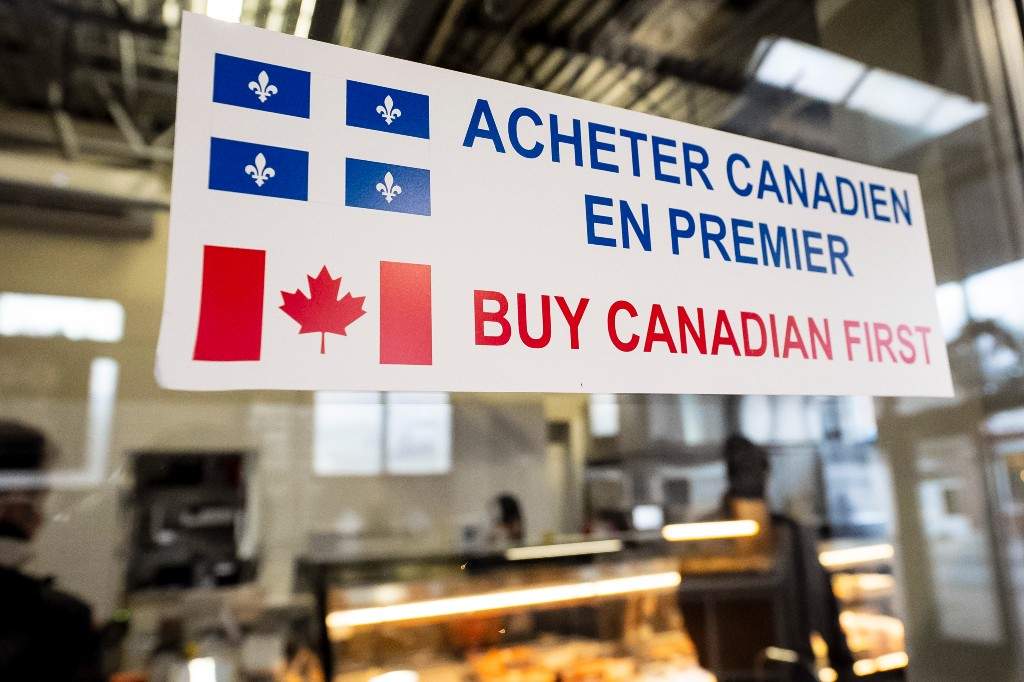
When trade negotiations with Canada collapsed over tariff disputes, the administration escalated the tactic northward. An executive order redubbed Lake Ontario as "Lake America," ignoring the Boundary Waters Treaty and decades of binational co-management. The reaction in Ontario was swift and localized, yielding everything from protest merchandise to massive shoreline billboards declaring the original name permanent. Canadian officials understood that the decree carried no legal weight under international maritime law, yet the psychological friction was precisely the point. It transformed a complex bilateral dispute over lumber and manufacturing into a visceral cultural grievance, forcing provincial leaders to spend political capital defending a literal body of water.
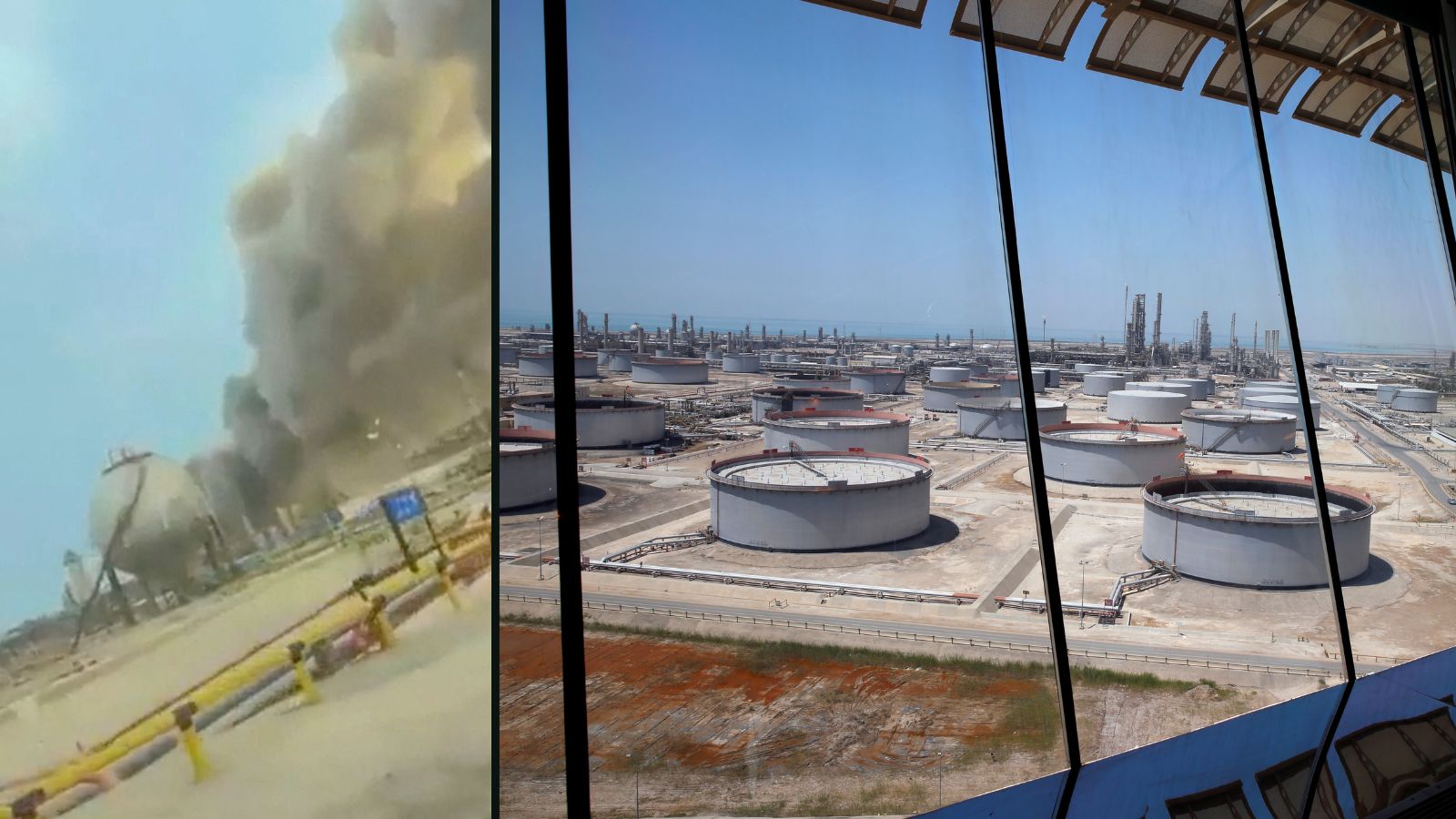
The strategy reached a volatile new threshold with the proposal to rename the Strait of Hormuz. Against the backdrop of a grinding maritime conflict with Iran that has effectively choked off a fifth of global oil transit, the president mused about calling the crucial Middle Eastern chokepoint the "Trump Strait". The timing was hardly accidental. The suggestion arrived just as domestic fuel prices spiked and mounting casualties from renewed skirmishes threatened to bleed into upcoming midterm elections. By shifting public attention toward a grandiose ego-exercise involving a potential new US territory, the administration effectively crowded out granular reporting on strategic military failures and supply chain vulnerabilities in the Persian Gulf.
International law remains entirely indifferent to domestic presidential decrees. The United Nations Group of Experts on Geographical Names maintains strict guidelines emphasizing local usage and historical continuity, refusing to recognize unilateral overhauls of shared or sovereign territories. No foreign government is updating its nautical charts to reflect executive whims originating from Washington. Maps published in Ottawa, Mexico City, and Tehran will continue to reflect historical designations, rendering these American renamings legally empty exercises.
Yet history suggests that linguistic repetition alters public perception over long horizons, even when institutional standards refuse to bend. Domestic audiences exposed daily to altered maps begin to absorb the terminology as casual shorthand. This cartographic revisionism exploits the deep disconnect between international legal frameworks and domestic political theater. As long as renaming a mountain, a lake, or a strait guarantees dominant media placement and forces opponents onto the defensive, the White House naming spree will continue unabated, treating the geography of the planet as raw material for the next news cycle.
For more details on these developments, you can watch this Trump renaming policy analysis which breaks down the administrative background behind these geographic redesignations.