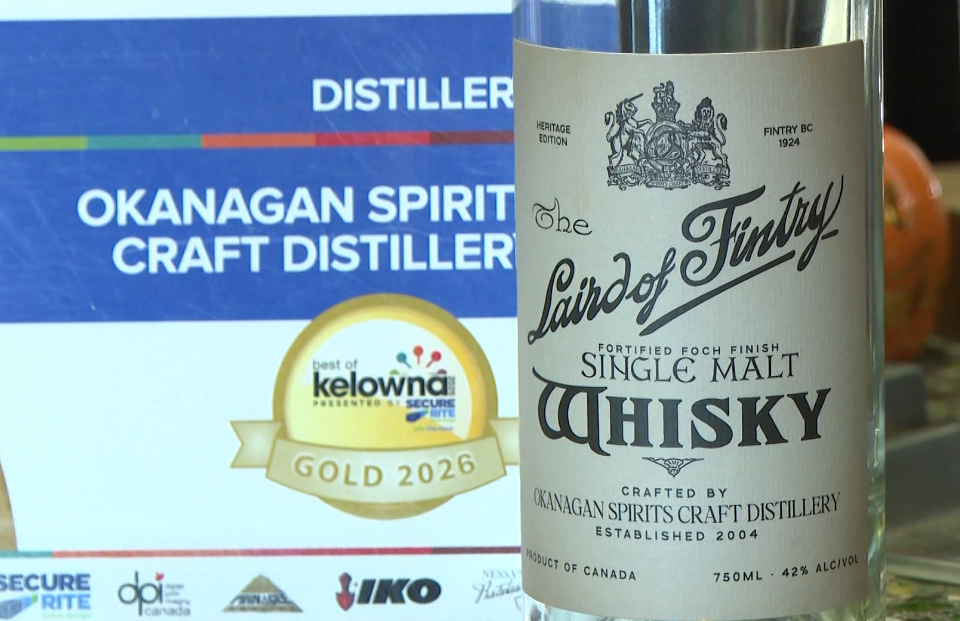
Forty-two thousand people entering a digital queue for the chance to buy a single bottle of craft single-malt isn't a triumph of local pride. It is a symptom of a desperate consumer base grasping at scarcity marketing while real economic mechanics pass them by.
The lazy consensus in financial and lifestyle journalism loves the patriotic narrative. Headlines beam about how the Canada-United States trade war and retaliatory shelf-clearing of foreign spirits have driven thousands into buying local. We are told that a distillery in the Okanagan running a lottery for five thousand bottles of barrel-aged whisky represents a permanent, structural renaissance for domestic distilleries.
Rubbish.
I have watched brands blow millions on manufactured hype cycles, and I have seen how temporary geopolitical friction gets mistaken for long-term brand equity. This lottery rush is not a permanent ideological shift toward domestic loyalty. It is a speculative gold rush driven by artificial supply constraints and retaliatory policy shock.
Let us define terms immediately. True market demand is price-elastic, repeatable, and sustained over decades of open competition. A lottery where tens of thousands of applicants chase a tiny, fixed inventory measures the power of FOMO and protective trade barriers, not the intrinsic superiority of the liquid in the glass. When you pull Kentucky bourbon off shelves by legislative fiat, you do not instantly turn every regional craft distiller into Yamazaki. You simply create a supply vacuum and watch desperate consumers scramble for whatever substitute is closest to hand.
The lazy narrative treats consumers as foot soldiers in a cultural defense league. Real-world consumer behavior is far more transactional. Data from market researchers like Leger consistently shows that while geopolitical tensions cause an initial surge in patriotic purchasing, the willingness to pay a premium for domestic goods drops off sharply among younger demographics. Price, quality, and habit always reclaim the throne once the novelty of a trade dispute wears off.
Focusing on lottery entry numbers hides the underlying fragility of regional craft producers. Scaling a distillery isn't like spinning up software. Grain contracts, barrel procurement, climate-controlled warehousing, and the agonizingly slow physics of maturation mean these operations cannot simply pivot to meet a sudden trade-war-induced spike. When a boutique house produces five thousand bottles because that is all their wood yield allows, a lottery with forty-two thousand entries is an eight-to-one disappointment ratio. Thirty-seven thousand people walk away empty-handed, frustrated, and ripe for churn the moment open-market alternatives return.
Imagine a scenario where trade boundaries normalize overnight and imported whiskies flood back onto shelves with zero tariffs. How many of those lottery entrants will continue paying top dollar for local single-malt variants when global giants resume aggressive discounting? History tells us the answer: very few. Panic buying and state-engineered market distortions create a sugar-high for balance sheets, but they starve brands of honest customer feedback.
If you are running a domestic beverage operation, stop celebrating protectionist tailwinds as if you built them. They can be legislated away with a single stroke of a pen or a negotiated trade concession. True authority in the spirits market comes from liquid quality that commands shelf space without needing a lottery ticket to validate its existence.
Build a product that wins on merit, not on a customs embargo. Otherwise, you are just running a casino with a copper still.