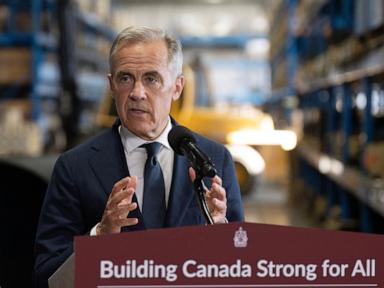
Canada stands on the edge of its most monumental defense decision in a generation. Prime Minister Mark Carney is stopping in Halifax on his way to the crucial NATO summit in Ankara to reveal the winner of the Canadian Patrol Submarine Project. This isn't just a basic procurement deal. It's a massive choice that will shape the country's naval identity, industrial landscape, and global alliances for the next half-century.
With up to 12 new conventional submarines on the line, the final bill could spiral past $100 billion once you factor in thirty years of maintenance and operations. The choice has narrowed to a fierce head-to-head battle between Germany's Thyssenkrupp Marine Systems and South Korea's Hanwha Ocean. Both options meet the technical requirements, meaning the decision rests entirely on timeline, industrial strategy, and geopolitical posture.
The Broken Fleet That Can't Wait
Let's be honest about the current state of affairs. The Royal Canadian Navy's current underseas fleet is basically on life support. Out of the four secondhand, trouble-plagued Victoria-class submarines purchased from the United Kingdom back in the 1990s, only one is currently operational.
Naval planners know that if you want to keep three submarines constantly deployed across three vast oceans—the Atlantic, Pacific, and Arctic—you need a total fleet of 12 vessels. Buying a handful of boats simply won't cut it anymore. Russia and China are rapidly expanding their underwater capabilities, particularly in the Arctic, and Canada's gaping security vulnerability has drawn intense scrutiny from its NATO allies.
The South Korean Pitch Speed and Scale
Hanwha Ocean is offering a modified version of its KSS-III submarine. The biggest selling point here is speed and certainty. South Korea doesn't just design submarines; they build them at a blinding, industrialized pace.
Look at Poland's recent experience with South Korean defense manufacturers. They ordered 180 K2 tanks in late 2022 and received the entire batch by late 2025. Hanwha is promising that exact type of rapid delivery pipeline for Canada. Because the KSS-III is already built and actively deployed by the South Korean Navy, Canada wouldn't be acting as a guinea pig for an unproven design. Hanwha has also thrown in an aggressive economic package, promising that their bid would sustain over 25,000 jobs annually through extensive localization.
Choosing South Korea anchors Canada firmly as a Pacific middle power. It ties Ottawa closer to vital democratic allies in Asia right when Indo-Pacific security is fracturing.
The German Counterweight Interoperability and Alliance
On the other side of the table, Thyssenkrupp Marine Systems is pitching the Type 212CD, an advanced design co-developed with Norway. The German argument centers on creating a massive, standardized NATO submarine force across the North Atlantic.
German Defence Minister Boris Pistorius pointed out that combining the German, Norwegian, and Canadian fleets could create a unified force of 24 identical submarines. This would streamline parts, training, and joint operations across the alliance. To sweeten the deal and match the Korean delivery timeline, the German consortium even offered to reallocate early production slots originally meant for their own navy.
The German economic offsets focus heavily on infrastructure. They are dangling enticing projects, including the major redevelopment of the Port of Churchill in Manitoba and an advanced space launch facility.
Why a Split Fleet Won't Save the Day
As the competition reached a boiling point, rumors started swirling in Ottawa that the government might try to please everyone by splitting the contract. The idea was to buy German subs for the Atlantic fleet and South Korean subs for the Pacific.
Defense Minister David McGuinty quickly shut down that theory, and he was completely right to do so. Operating two entirely different classes of submarines is a logistical nightmare. You end up doubling your supply chains, creating two distinct training programs, and driving lifecycle costs through the roof. Canada needs a single, unified solution.
What Happens Next
Watch the messaging closely when Prime Minister Carney steps up to the microphone in Halifax. If the government picks South Korea, expect heavy emphasis on rapid delivery timelines and immediate jobs in Canadian shipyards. If Germany wins, the narrative will focus on deep NATO integration and critical Arctic security infrastructure.
Once the preferred bidder is named, the real work starts. The government must immediately move into contract negotiations to lock down the exact industrial technological benefits and prevent the multi-year delays that have plagued past Canadian military purchases.